


Rebar System Anchors: Long vs. Short Wavy Tail Anchor
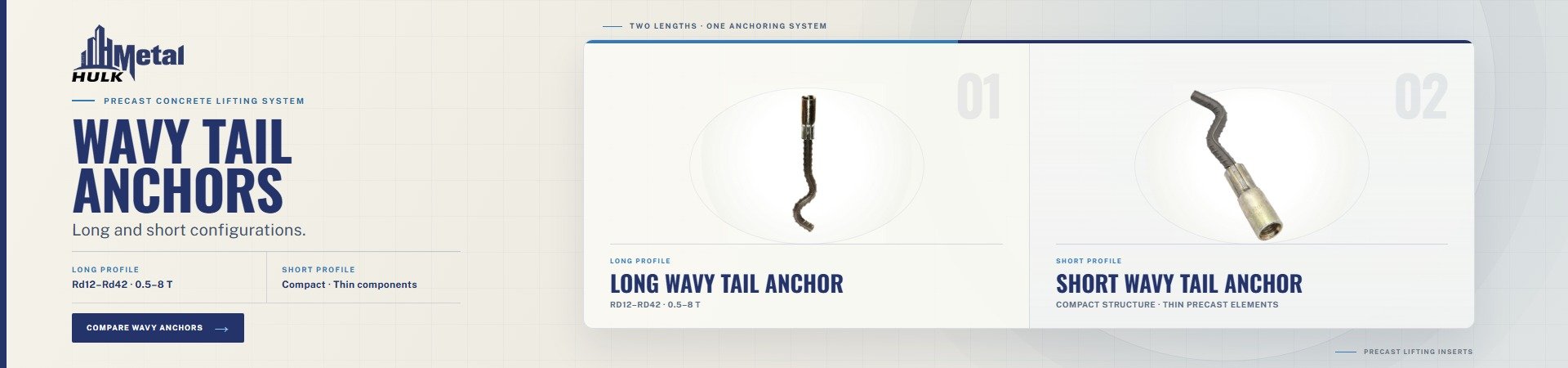
A reliable rebar system depends on more than the visible reinforcement. It also requires carefully selected anchorage, connection, and positioning components that transfer loads safely into concrete. Among these components, the long wavy tail anchor and short wavy tail anchor serve similar functions but use different geometries for different project conditions.
Choosing between them requires attention to anchorage space, element thickness, reinforcement congestion, concrete cover, lifting conditions, and thread compatibility. This guide explains the role of each product, compares their practical differences, and outlines the information needed for a sound procurement decision.
What Is a Rebar System?
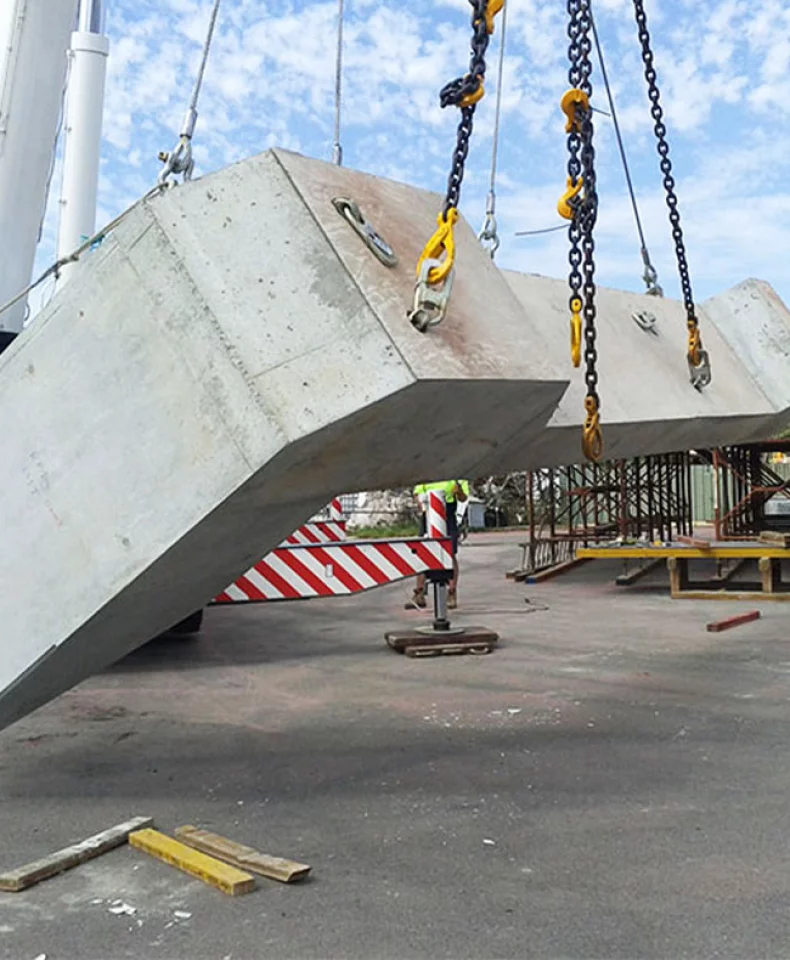
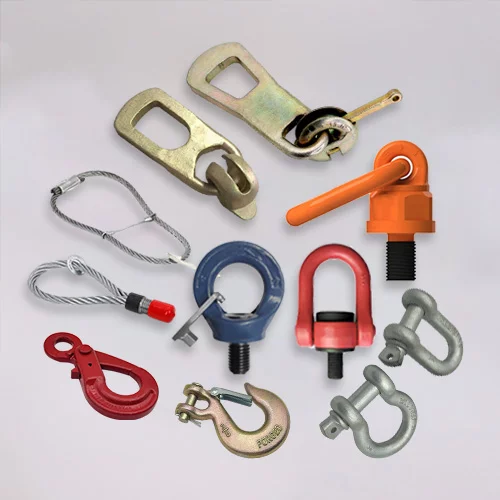
In construction, a rebar system can be understood as the combination of reinforcement and ancillary components that work together to transfer and distribute loads. These components may include cast-in anchors, threaded sockets, positioning accessories, lifting loops, and related precast concrete hardware.
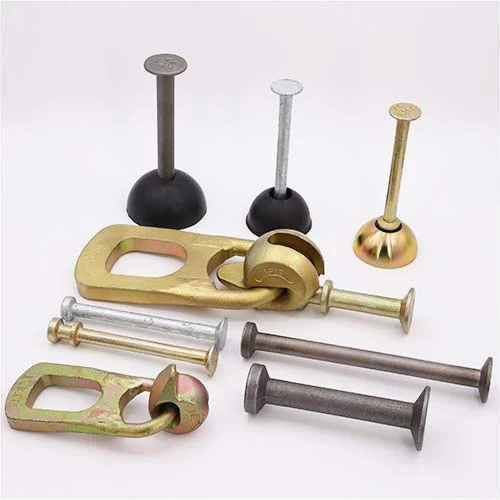
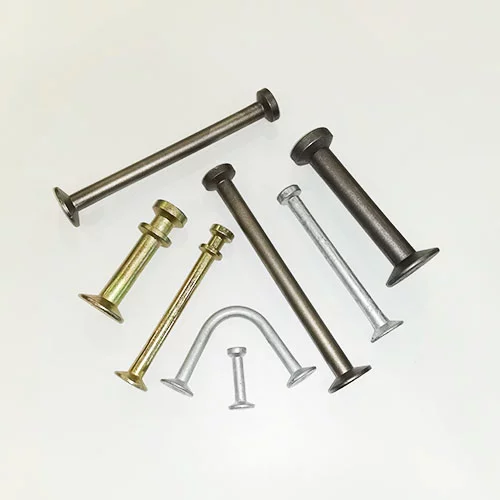
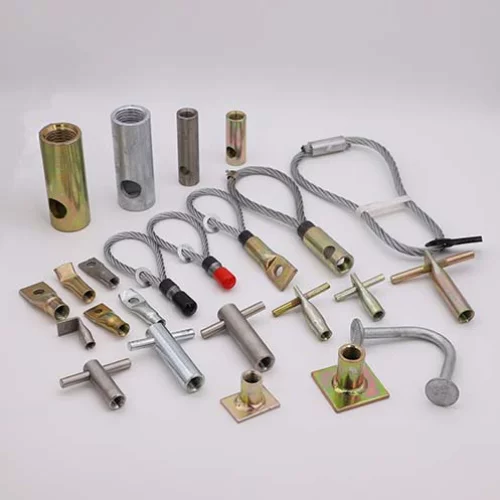
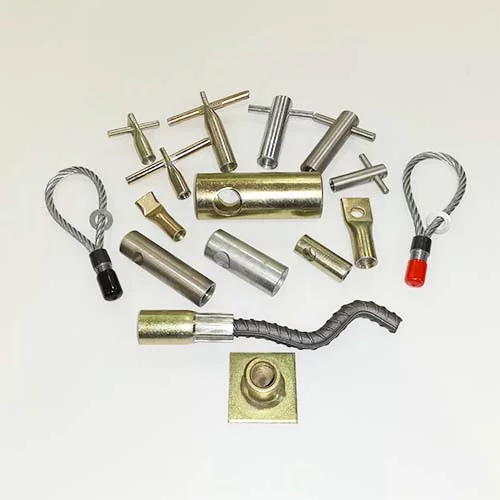
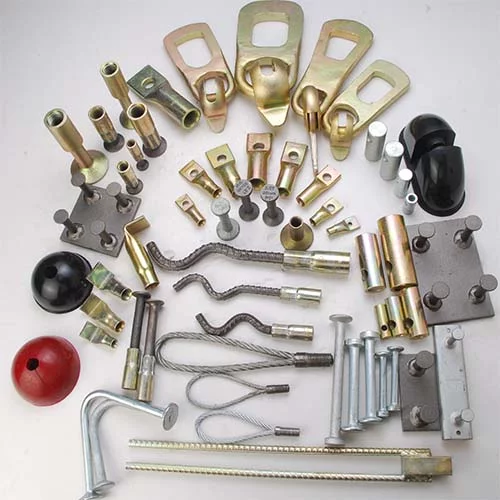
A wavy tail anchor is a cast-in component used to create a lifting point or threaded anchorage point within a concrete element. It generally combines three functional parts:
- A threaded socket that provides the connection point.
- An extruded neck or shank that transfers force from the socket to the rebar.
- A bent, wavy rebar tail that anchors the assembly within the concrete.
The wavy profile increases the interaction between the anchor and the surrounding concrete. During lifting or service loading, force is transferred from the socket through the shank and into the embedded rebar tail, where it is distributed into the concrete element.
The exact performance of the assembly still depends on the complete design. Anchor dimensions, steel grade, thread size, concrete strength at the time of lifting, edge distance, embedment, lifting angle, and the condition of the surrounding reinforcement all need to be considered together.
Long Wavy Tail Anchor
The long wavy tail anchor has an extended rebar tail. Its principal distinction is the distance from the extruded connection area to the end of the wavy section, which creates a longer anchorage path within the concrete.
This configuration can be appropriate when the element provides sufficient space for a longer anchorage zone and the design calls for deeper load distribution. It is generally considered where the concrete section allows the required embedment and where placing a longer anchor does not create conflicts with reinforcement, inserts, or formwork.
Long wavy tail anchors are commonly relevant to precast walls, beams, columns, panels, and other elements where a substantial embedded anchorage length is practical. Their usefulness is not based on length alone. The selected anchor must match the specified working load, thread, material, surface finish, and concrete conditions.
From a production perspective, the long version requires accurate bending, consistent tail geometry, controlled extrusion, and precise thread machining. These details influence how well the anchor fits the formwork and how predictably it transfers load into the concrete.
Short Wavy Tail Anchor
The short wavy tail anchor uses a more compact rebar tail. There is little or almost no straight section between the threaded socket and the wavy portion, depending on the product design. This allows the anchor to occupy less space within a concrete element.
The compact geometry can be useful in thin sections, confined anchorage zones, or areas with dense reinforcement. It may also simplify placement where a long tail would interfere with other embedded items or make concrete consolidation more difficult.
Short wavy tail anchors are used for lifting, positioning, temporary support, and other precast handling operations. Like the long version, they must be selected according to the required working load and verified against the project’s lifting plan.
A shorter tail should not be interpreted as a lower-grade solution. The two products represent different geometries for different design conditions. Whether a short anchor is suitable depends on the anchorage design and the manufacturer’s verified performance data, not on physical length alone.
Long vs. Short Wavy Tail Anchor
| Comparison Point | Long Wavy Tail Anchor | Short Wavy Tail Anchor |
|---|---|---|
| Tail geometry | Extended anchorage zone | Compact anchorage zone |
| Space requirement | Higher | Lower |
| Reinforcement congestion | May require more planning | Suitable for confined areas |
| Load-transfer design | Depends on project design | Depends on project design |
| Typical application | Projects with adequate anchorage space | Space-restricted or dense reinforcement areas |
| Installation focus | Positioning and concrete consolidation | Effective embedment and local clearance |
The practical difference is not simply “long” versus “short.” It is the relationship between anchor geometry and the available anchorage volume. A long anchor placed in an unsuitable section may create congestion, while a short anchor may not meet the required anchorage design in another application.
For this reason, the anchor, socket, lifting accessory, and recess former should be treated as one connected system. Thread compatibility and load-path continuity are as important as the dimensions of the embedded tail.
How to Select the Right Wavy Tail Anchor
Selection should begin with the construction or precast design, not with a catalogue photograph.
First, establish the load per lifting point and confirm the applicable design method. Consider the weight and geometry of the element, the number of lifting points, the lifting angle, dynamic effects, and the concrete strength at the time of lifting.
Second, review the available anchorage space. Check element thickness, concrete cover, edge distance, reinforcement spacing, and the position of other inserts. This assessment will show whether an extended anchorage path is practical or whether a compact anchor is required.
Third, confirm the connection details. The thread type, socket depth, lifting loop or clutch interface, and recess configuration must be compatible. A correctly embedded anchor can still create a problem if the wrong lifting accessory is connected to it.
Fourth, specify the material and finish. Material selection should reflect the project specification and service environment. Common options may include stainless steel, Q345, Q235, or other specified grades, while surface protection may include raw, electro-galvanized, or hot-dip galvanized finishes.
Finally, request verifiable product data and inspection records. The quotation should identify the model, thread size, working load, material, finish, quantity, and applicable certification or inspection documentation.
Long and short wavy tail anchors should not be substituted for one another without approval from the responsible engineer. Even when the socket thread is the same, the anchorage design may differ.
Installation and Quality Control
Good installation starts before concrete placement. Compare delivered anchor models and dimensions with the approved drawings, then confirm that the sockets are clean and protected against concrete ingress.
Position each anchor according to the approved layout and secure it against movement. Verify concrete cover, edge distance, and clearance from reinforcement. During pouring, control vibration and avoid actions that could displace the anchor or damage the socket opening.
After stripping, inspect the visible thread area, recess condition, and anchor alignment. Protect exposed sockets until lifting or connection work begins. The lifting accessory should be fully engaged and compatible with the specified thread and load group.
Quality documentation should cover raw material verification, dimensional checks, thread inspection, assembly, and load testing where required. Dimension and thread records are particularly important because small deviations can affect fit, alignment, and load transfer.
Common Procurement Mistakes
One common mistake is comparing anchors only by price or nominal size. Two products may look similar while differing in material, effective dimensions, thread quality, or inspection procedures.
Another risk is selecting an anchor without a complete set of application data. Suppliers need more than a product name; they need the required working load, concrete conditions, thread, material, finish, and quantity.
Buyers should also avoid treating certification as a generic label. Request the documentation applicable to the ordered model and confirm that product identification, drawings, packaging, and inspection records are consistent.
Finally, do not overlook the other parts of the lifting system. The anchor, recess former, lifting loop, and clutch must work together. A procurement decision based on one component alone may leave compatibility questions unresolved.
HULK Metal’s Capabilities in Wavy Tail Anchor Supply
HULK Metal supplies both long and short wavy tail anchors as part of its precast concrete accessories range. Its published product information lists working-load options from 0.5 to 8.0 tonnes, thread sizes from RD/M12 to RD/M42, and material choices including stainless steel, Q345, Q235, and 20# steel. Raw, electro-galvanized, and hot-dip galvanized finishes are also available.
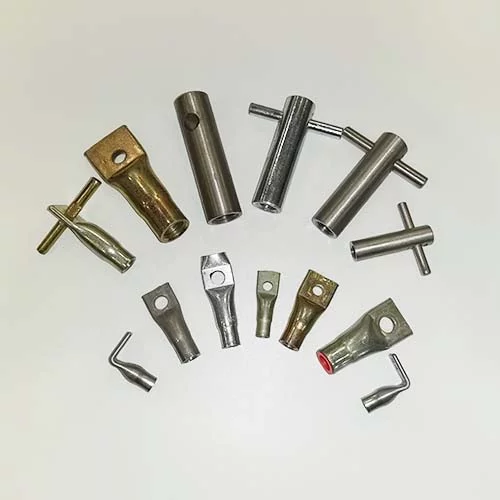
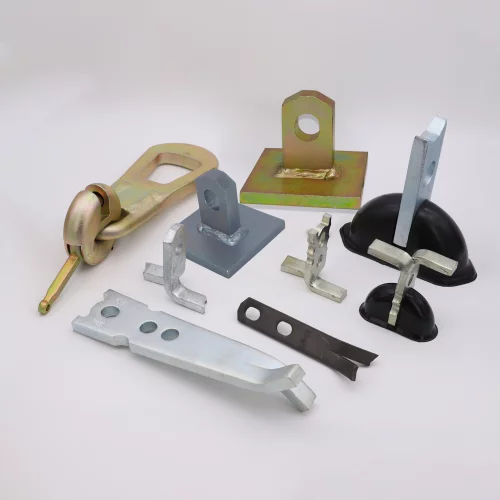
For project-specific sourcing, these options make it easier to align the anchor with the required load group, thread, material, and exposure condition. HULK Metal also offers related lifting loops, hooks, sockets, recess formers, and other precast accessories, supporting coordinated purchasing of components that must work together.
HULK Metal states CE and ISO 9001 certification for its wavy tail anchor range. The published quality-control process includes raw material inspection, dimensional verification, thread gauge checks, and tensile testing with a minimum threefold safety factor. Detailed inspection reports can be requested, and third-party inspection support can be arranged when a project requires additional verification.
The long wavy tail anchor and short wavy tail anchor both provide threaded anchorage points for precast concrete, but their geometries suit different conditions. The long version supports an extended anchorage path where space and design permit. The compact short version offers a practical option for confined sections and dense reinforcement.
Article Navigation
PRECAST CONCRETE ACCESSORIES
OTHER RELATED ARTICLE
- 1.How to use Wavy Tail Anchor to improve construction efficiency and safety
- 2.How to Choose High-Quality Shuttering Magnetic Products and Suppliers Guide
- 3.Applications and advantages of swivel hoist rings: HULK Metal provides you with safer and more flexible lifting solutions
- 4.Lifting Clutch VS Lifting Ring Clutch:Definition, Working Principle, Application Scenarios, and Selection Guide
- 5.Lifting Socket: Types and Selection Guide
Other Precast Concrete Accessories You Might Want to Know
You can click to learn more about HULK Metal precast concrete accessories such as lifting anchors, precast sockets, spread anchors, shuttering magnets, cast-in channels, wire loop boxes, and other precast concrete accessories you might want to know.