


How Foot Anchor Lifting Systems Improve Precast Concrete Handling
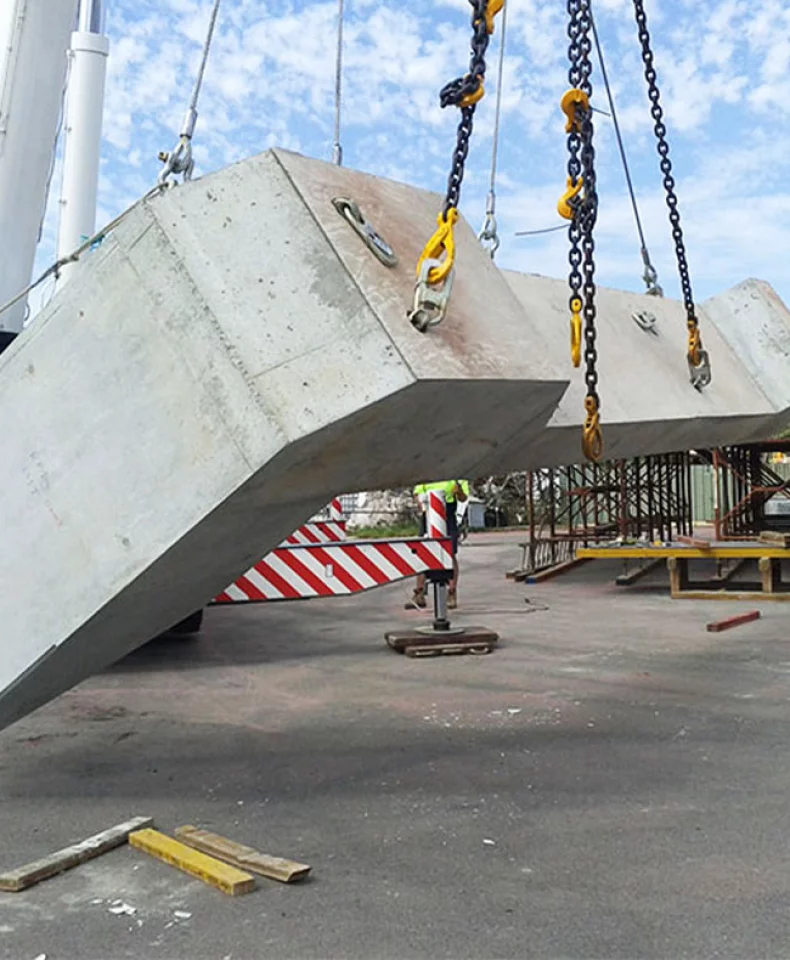
Precast concrete elements are handled many times before they reach their final position. A wall panel may be lifted from the casting bed, stripped from the formwork, moved around the yard, loaded onto a truck, unloaded on site, and finally erected. Each operation places a concentrated load at a small number of lifting points. The reliability of those points therefore has a direct effect on production efficiency and site safety.
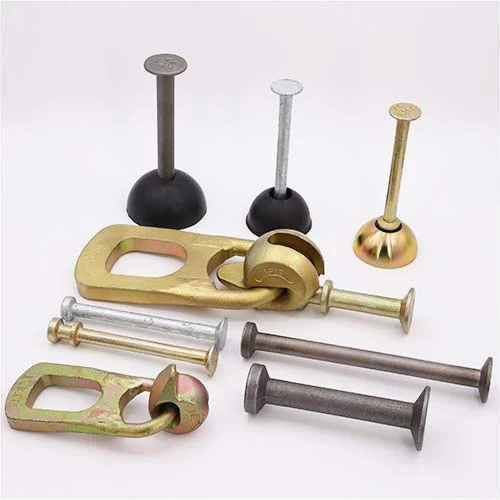
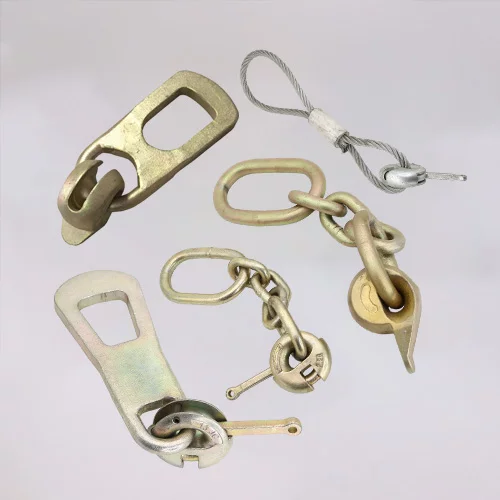
A foot anchor lifting system improves this process by treating lifting as a coordinated interface rather than a single accessory. The system normally combines three products: a lifting anchor embedded in the concrete, a recess former that creates the required access pocket, and a lifting clutch that connects the anchor to the crane. Each component performs a different task, but all three must be compatible with the element, the lifting plan, and the surrounding concrete.
Understanding the Three-Part Lifting System
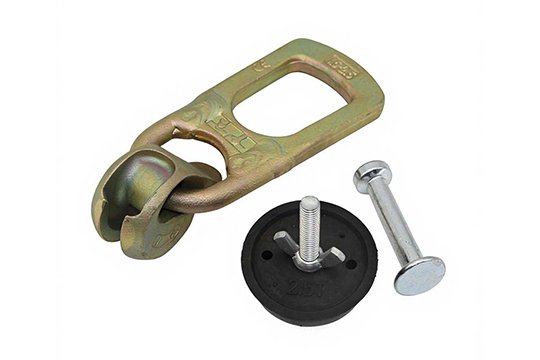
The basic load path is straightforward: force passes from the crane through the lifting clutch, into the embedded anchor, and then into the concrete element. The recess former does not carry the working load; it creates the correct cavity and helps position the anchor during casting so the clutch can engage it after curing.
A high-capacity anchor cannot compensate for a poorly formed recess, and a strong clutch cannot make an unsuitable anchor safe. System performance depends on the anchor, former, clutch, concrete strength, reinforcement, and lifting geometry working together.
Lifting Anchors: The Embedded Load-Transfer Component
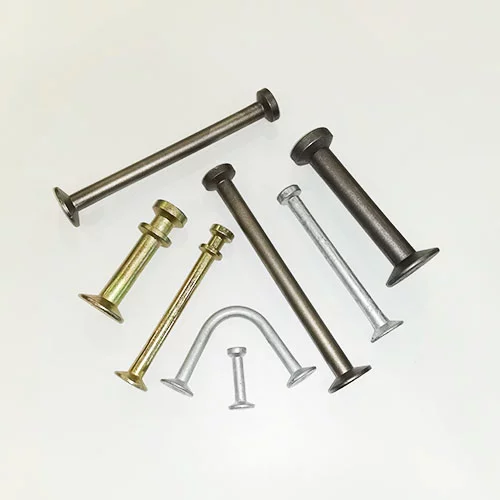
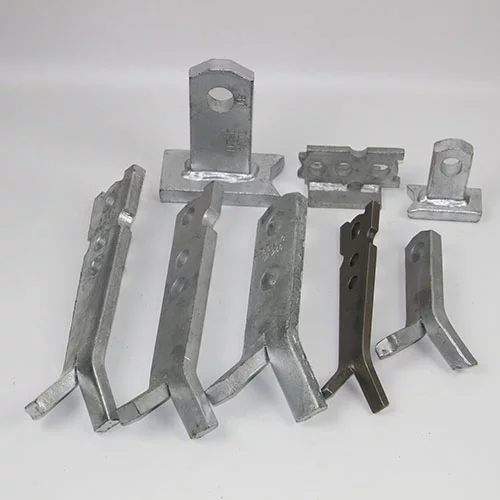
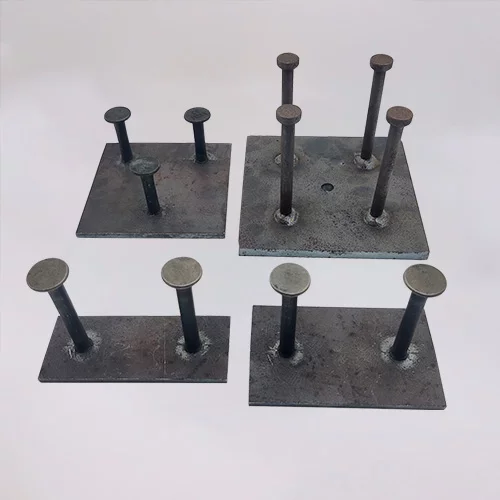
The lifting anchor is cast into the concrete and remains part of the finished precast element. Its upper portion provides the connection point for the lifting clutch, while its lower portion, including the foot or anchorage section, transfers force into the surrounding concrete. The design aims to spread the lifting load across a controlled volume of material rather than concentrating it at the concrete surface.
For a foot anchor system, the anchor type and geometry must suit the element being produced. A thin architectural panel has different requirements from a structural beam or a heavy column section. Embedment depth, concrete cover, edge distance, element thickness, and reinforcement all influence performance. The anchor should therefore be selected from an approved drawing and a defined load group, not from a general assumption about the weight of the panel alone.
Once installed, the anchor provides the same lifting interface for demoulding, yard handling, transport, and site erection. This repeatability helps production teams plan lifting positions without changing the connection method at each stage.
Recess Formers: Creating the Anchor Access Pocket
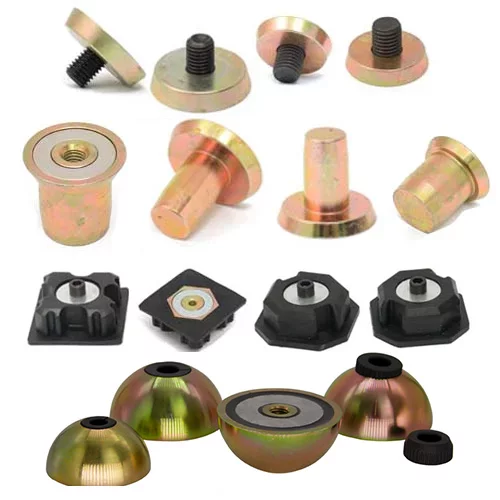
The recess former shapes the cavity that remains above or around the anchor after casting. This pocket gives the lifting clutch access to the anchor and must have the correct profile, diameter, and depth. It also helps hold the anchor in position against the formwork, preventing movement during concrete placement and vibration.
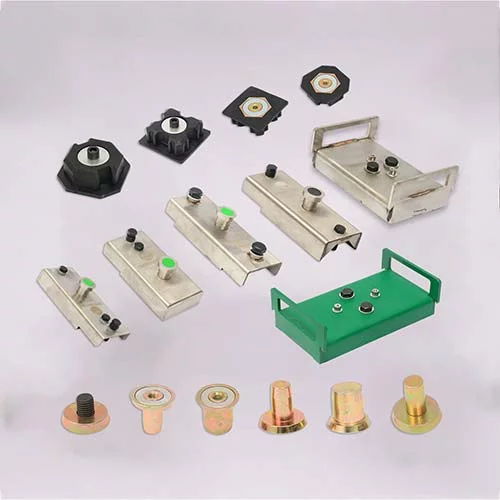
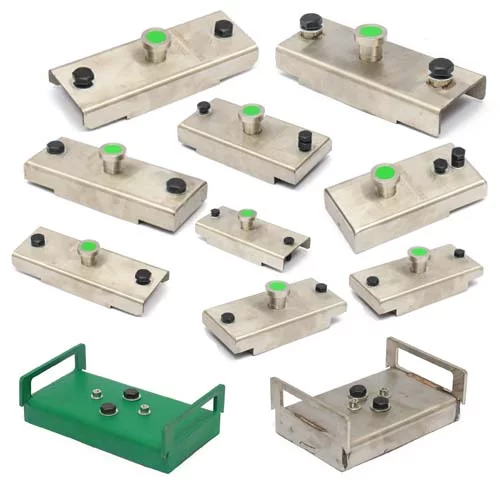
Rubber recess formers can release from cured concrete and be reused across casting cycles. Screw-and-wing-nut formers suit steel and plywood moulds, while magnetic versions can be positioned directly on compatible steel mould faces without separate clamps.
The recess former may be a low-cost accessory, but its dimensional accuracy has a direct effect on lifting. A deformed, damaged, or incorrectly positioned former can create a pocket that does not align with the anchor head. Cement buildup can reduce the usable cavity, while a worn or cut rubber surface can affect pocket shape and edge quality. Formers should therefore be cleaned, inspected, and stored carefully between casting cycles. Where a supplier publishes a temperature limit, that limit must be respected during curing.
Lifting Clutches: The Reusable Connection to the Crane
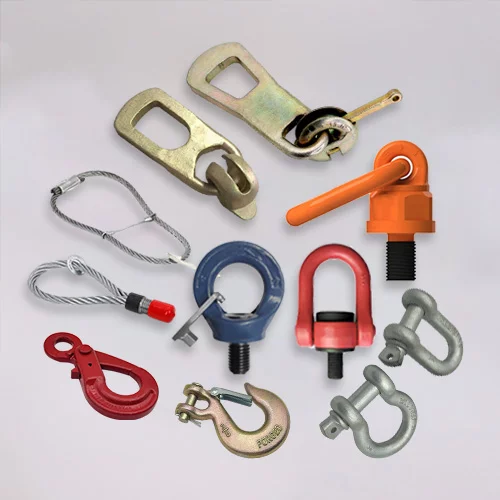
The lifting clutch is the removable device that locks onto the embedded anchor and links it to the crane hook. Unlike the anchor, it does not remain in the concrete. After the element has been safely supported, the clutch can be released and used again on other compatible anchors.
Correct engagement is essential. Before attaching the clutch, operators should inspect both the anchor and the clutch, remove debris from the pocket, align the clutch with the anchor head, and confirm that the locking mechanism has reached its full engaged position. The load should only be applied after engagement has been verified. Release should take place only when the element is fully supported and the lifting operation is complete.
Clutches are available in different configurations for different anchor interfaces. Compatibility is not limited to nominal load capacity. The clutch head, locking pin, anchor groove or hole, plate thickness, and permitted lifting angle must all match the approved system. Routine inspection is also needed because wear, deformation, cracking, restricted movement, or impact damage can affect safe operation.
How the Three-Part System Improves Precast Handling
More controlled load transfer
The embedded anchor provides a defined load path into the concrete, while the correctly formed recess allows the clutch to engage the anchor as intended. This coordinated arrangement reduces the risk of partial engagement or local point loading at the element surface. Final safety still depends on suitable concrete strength, reinforcement, embedment, and edge distances.
Repeatable lifting positions
The anchor and recess former are placed before casting, so the lifting point is planned rather than improvised later. This supports consistency between panels or other repeated units and helps the same handling procedure continue from factory storage to site installation.
More efficient use of lifting equipment
The anchor remains in each element, while the clutch can be removed and reused. One compatible clutch can therefore serve multiple anchors of the same system and load group, reducing the need for a separate temporary lifting connection at every stage.
Better pocket and surface control
A recessed lifting connection avoids leaving a permanent external hook or loop on the concrete surface. The cavity can subsequently be treated according to the architectural or durability requirements of the project. However, the pocket should not be filled or covered before lifting is complete, and the anchor and surrounding concrete must remain accessible for inspection.
Selection and Compatibility: What Buyers Must Confirm
Each product requires its own selection data. For the lifting anchor, buyers should confirm the anchor type, load group, embedment, dimensions, material, finish, and the concrete conditions at each lifting point. For the recess former, the matching anchor profile, cavity diameter and depth, mould material, fixing method, curing temperature, and reusability should be checked. For the lifting clutch, the compatible anchor interface, working load, head geometry, lifting angle, and inspection requirements are essential.
These details should be reviewed as one system. A load rating from one anchor range should not be applied to another product merely because its dimensions appear similar. Where compatibility is unclear, the manufacturer or a qualified engineer should confirm the complete assembly before production and lifting.
Safe Installation and Handling Workflow
A reliable lifting system still depends on a controlled workflow. First, confirm the element weight, lifting points, working load, and approved handling method. Position the anchor and recess former accurately on the formwork and secure them against movement. Protect the cavity during concrete placement, then remove the former according to the approved procedure.
Before the first lift, verify that the concrete has reached the required strength. Inspect the anchor, recess, and surrounding concrete for damage or contamination. Check that the lifting clutch is compatible, correctly engaged, and in serviceable condition. Keep the lift within the approved angle and load limits, and release the clutch only after the element is fully supported. A documented inspection and traceability process should accompany repeat production.
Why Source the Components as One System
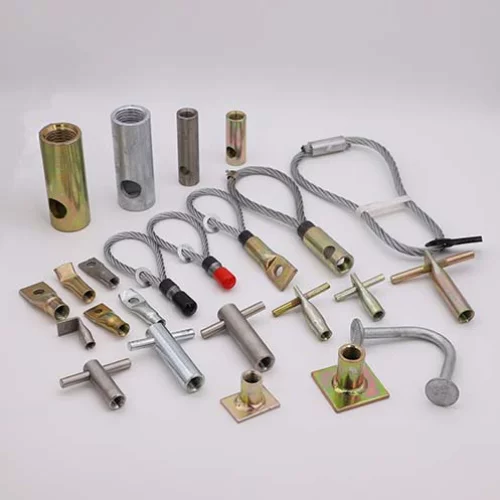
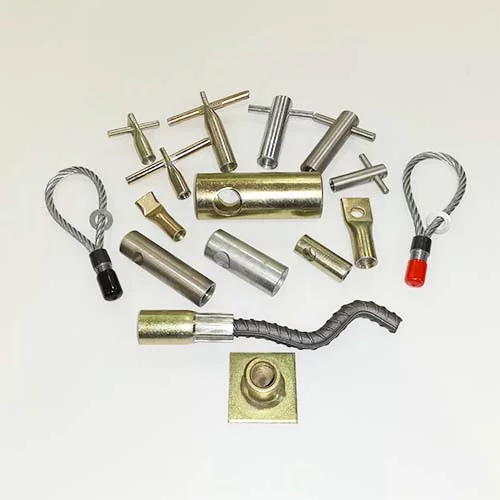
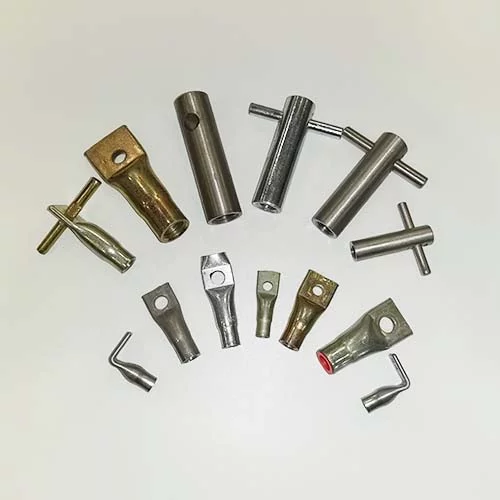
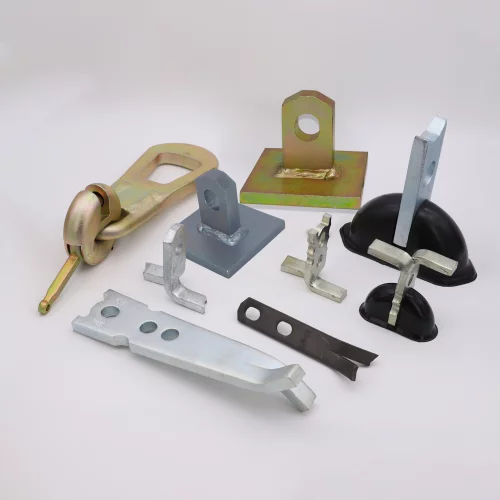
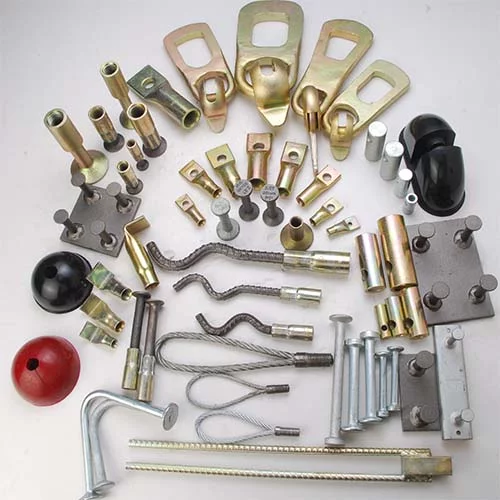
HULK Metal supplies lifting anchors, rubber recess formers, and lifting clutches for precast concrete handling. The product range includes different anchor configurations, round and semi-spherical recess profiles, screw, wing-nut, and magnetic fixing options, and clutches for different lifting interfaces. Material, finish, capacity, and documentation requirements can be reviewed against the intended application.
Foot anchor lifting systems improve precast concrete handling because they create a planned, repeatable connection between the element and the crane. The lifting anchor transfers force into the concrete, the recess former creates the required access pocket, and the lifting clutch provides the removable link to the lifting equipment.
The greatest benefit comes when these products are selected and inspected as one system. Correct compatibility, accurate installation, verified concrete strength, and a clear lifting procedure are essential to safe and efficient handling from the casting bed to final erection.
Article Navigation
PRECAST CONCRETE ACCESSORIES
OTHER RELATED ARTICLE
Other Precast Concrete Accessories You Might Want to Know
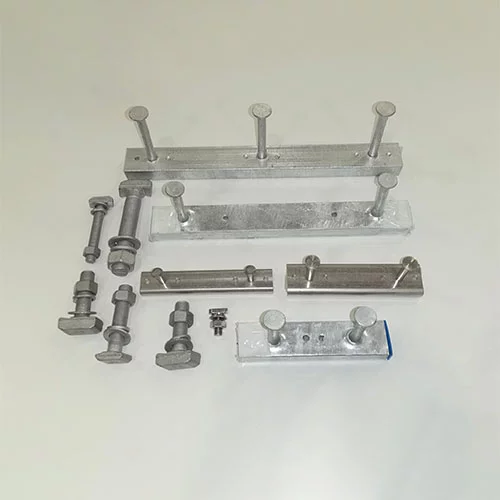
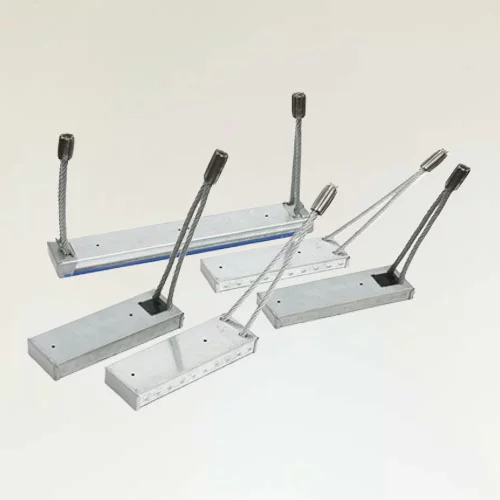
You can click to learn more about HULK Metal precast concrete accessories such as lifting anchors, precast sockets, spread anchors, shuttering magnets, cast-in channels, wire loop boxes, and other precast concrete accessories you might want to know.