
Lifting Clutch vs Lifting Anchor: What’s the Difference and How They Work Together

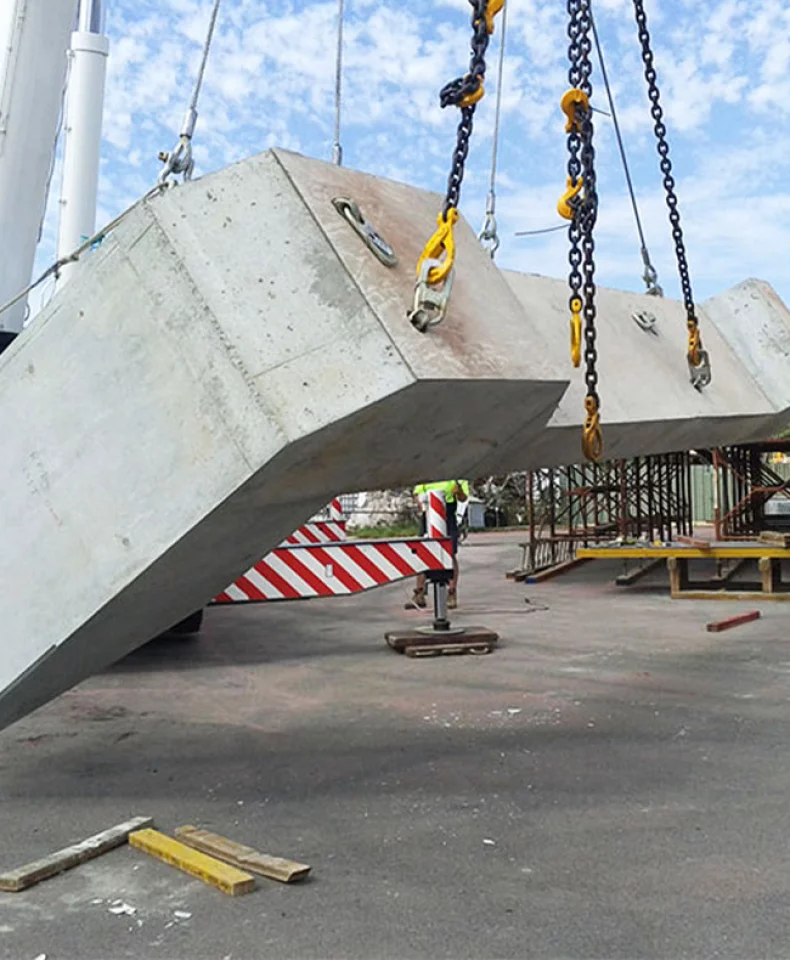
Precast concrete has become a key construction method in modern building and infrastructure projects. Large wall panels, beams, slabs, and structural elements are manufactured in factories and transported to construction sites for installation. Because these components are extremely heavy, safe and reliable lifting systems are essential throughout production, transportation, and installation.
Today, various precast lifting systems are used in the industry. While these systems may include several components and accessories, three key elements play the most critical roles in the lifting process:
Lifting Anchor – the embedded load-bearing component
Lifting Clutch – the external lifting connector
Recess Former – the installation accessory used during casting
Although each component performs a different function, they are designed to work together as a complete lifting solution. Understanding the differences between lifting anchors and lifting clutches—and the role of recess formers—is essential for engineers, contractors, and precast manufacturers who want to ensure safe and efficient lifting operations.
Overview of Precast Concrete Lifting Systems
A precast lifting system is designed to safely transfer the weight of a concrete element from the structure to lifting equipment such as cranes. Because precast components can weigh several tons, the lifting system must ensure that loads are transmitted into the concrete in a controlled and predictable manner.
Among the many types of lifting systems available, spherical head anchor systems are widely used due to their safety, efficiency, and compatibility with reusable lifting tools.
In these systems, three components work together:
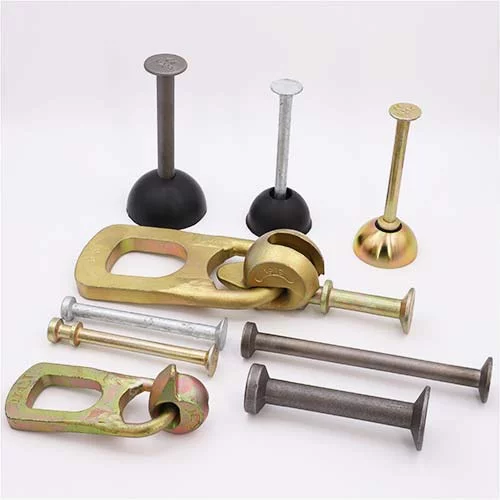
Lifting Anchors
Embedded in the concrete element, anchors provide the structural connection that transfers lifting forces into the concrete body.
Lifting Clutches
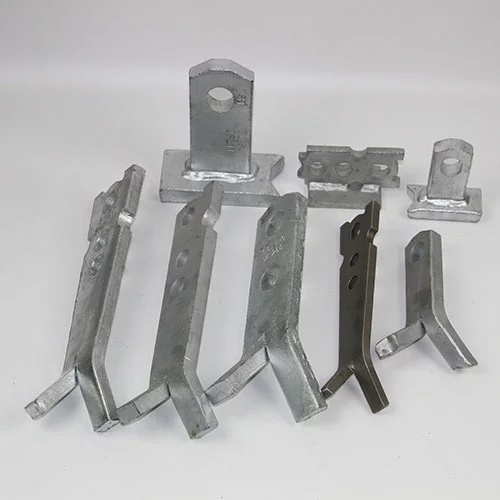
External devices used during lifting operations. They connect the anchor head to the crane hook or lifting chain.
Recess Formers
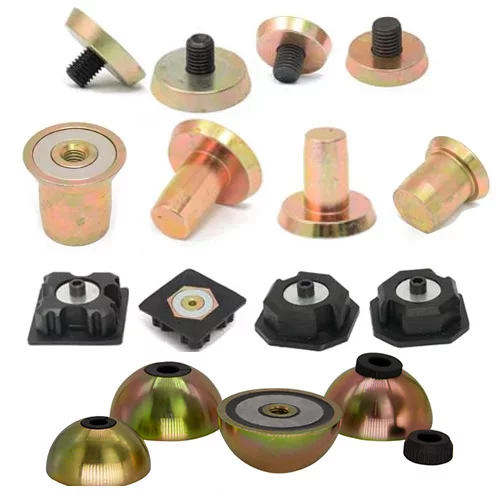
Temporary accessories used during concrete casting. They create a recess around the anchor head so the lifting clutch can connect easily after the concrete cures.
Each component plays a distinct role in ensuring safe and efficient lifting operations.
What Is a Lifting Anchor?
A lifting anchor is a load-bearing component embedded inside a precast concrete element during the casting process. Its primary function is to transfer lifting loads from the lifting clutch into the surrounding concrete.
Once installed and cast into the concrete, the anchor becomes a permanent part of the precast element.
Structural Design of Lifting Anchors
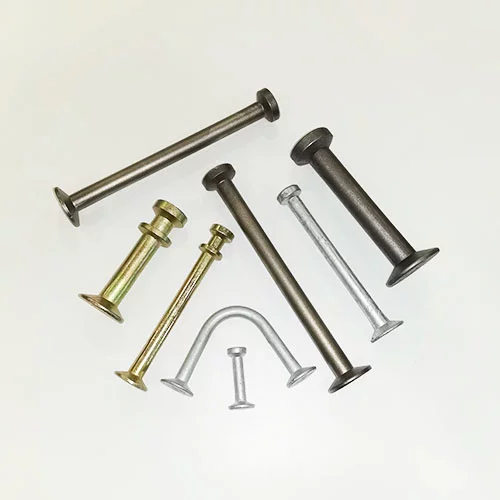
Most lifting anchors used in modern precast systems feature a spherical head design. This spherical head allows the lifting clutch to securely attach during lifting operations.
The lower portion of the anchor is embedded inside the concrete and typically includes an anchor foot or shaft designed to distribute loads into the concrete mass.
When lifting force is applied, the anchor activates a cone-shaped stress zone in the surrounding concrete. This load transfer mechanism spreads the force over a larger volume of material, reducing the risk of local failure.
Types of Lifting Anchors
Several types of anchors are commonly used in precast construction, including:
Spherical Head Foot Anchors
One of the most widely used anchor types. Its symmetrical foot design allows easy installation without specific orientation requirements.
Double Headed Lifting Anchors
Designed for thicker precast elements where deeper embedment is required.
Utility Lifting Anchors
Versatile anchors that can be used in different lifting situations.
Each anchor type is selected based on factors such as concrete thickness, element weight, and lifting conditions.
What Is a Recess Former?
A recess former is a temporary installation accessory used during the concrete casting process. Its role is to ensure that the spherical head of the lifting anchor remains accessible after the concrete has hardened.
Before concrete pouring, the recess former is attached to the formwork at the specified anchor location. The lifting anchor is then positioned within the recess former, which holds the anchor securely in place.
After the concrete cures and the formwork is removed, the recess former is taken out. This process creates a precisely shaped recess in the concrete surface that exposes the anchor head.
The recess has two important purposes:
1. It provides enough space for the lifting clutch to connect to the anchor head.
2. It ensures proper alignment between the anchor and the lifting device.
Without the recess former, connecting lifting equipment to the embedded anchor would be extremely difficult.
What Is a Lifting Clutch?
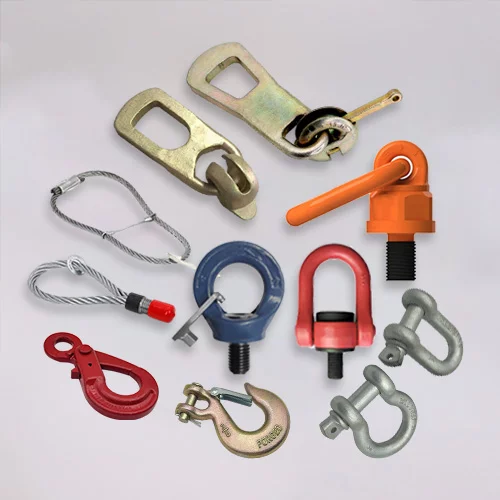
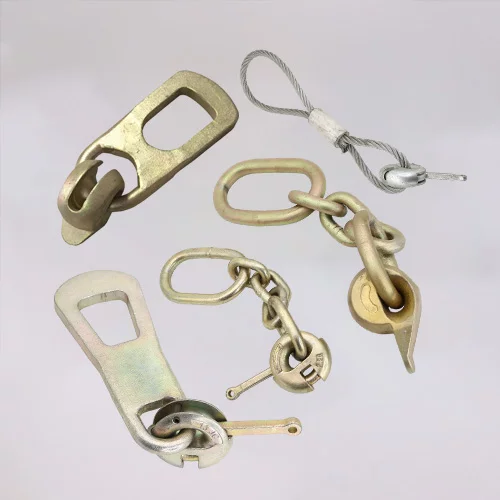
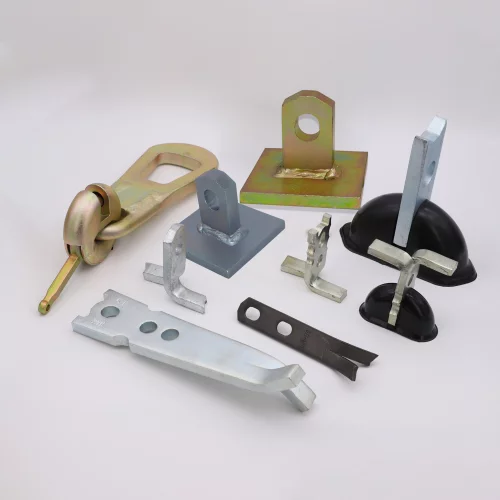
A lifting clutch is the external lifting device used to connect cranes or lifting equipment to the embedded lifting anchor.
Unlike anchors, lifting clutches are reusable tools that are removed after lifting operations are completed.
Structural Components of a Lifting Clutch
A lifting clutch usually consists of several key parts:
Clutch body – the main structural component
Locking mechanism – engages the clutch with the anchor head
Lifting ring or link – connects to crane hooks or lifting chains
Safety latch or release system
The spherical head design allows the clutch to rotate freely once engaged with the anchor. This flexibility helps accommodate different lifting angles and reduces stress on the lifting connection.
Manufacturing Process
High-quality lifting clutches are typically produced using hot forging processes. Forged steel provides excellent strength, durability, and fatigue resistance, which are essential for repeated lifting operations.
After forging, lifting clutches usually undergo heat treatment and mechanical testing to ensure that they meet strict load-bearing requirements.
Key Differences Between Lifting Anchors and Lifting Clutches
Although lifting anchors and lifting clutches work together during lifting operations, they have very different roles within the lifting system.
Installation Location
Lifting anchors are installed inside the concrete element during the casting process and remain permanently embedded.
Lifting clutches are external lifting tools used only during handling operations and removed afterward.
Function
The lifting anchor transfers loads into the concrete structure.
The lifting clutch connects the anchor to lifting equipment such as cranes.
Reusability
Anchors remain inside the concrete element and are not reused.
Lifting clutches are reusable and can be used for multiple lifting operations.
Structural Role
Anchors are structural load-bearing components embedded within the concrete.
Clutches are mechanical connectors designed to attach lifting equipment to the anchor head.
Understanding these differences is important when designing safe lifting systems for precast elements.
How Lifting Anchors, Recess Formers, and Lifting Clutches Work Together
These three components form a coordinated lifting system that enables safe handling of precast elements.
Step 1: Installing the Anchor and Recess Former
Before concrete is poured, the recess former is attached to the formwork at the desired anchor location. The lifting anchor is positioned inside the recess former, ensuring accurate placement and correct embedment depth.
Step 2: Concrete Casting and Curing
Concrete is poured into the mold while the anchor remains securely fixed in place. As the concrete cures, the anchor becomes firmly embedded within the structure.
Step 3: Removing the Recess Former
After the concrete has hardened, the recess former is removed. This creates a recess in the concrete surface that exposes the spherical head of the anchor.
Step 4: Attaching the Lifting Clutch
When the precast element is ready to be moved, the lifting clutch is inserted into the recess and attached to the anchor head.
The locking mechanism secures the clutch in place, creating a strong connection between the anchor and the lifting equipment.
Step 5: Lifting and Handling the Element
Once connected, the crane lifts the concrete element using the lifting clutch. The load is transferred through the clutch to the anchor and then distributed into the surrounding concrete.
After the element is installed in its final position, the lifting clutch is released and removed.
Applications in Precast Construction
Lifting anchors and lifting clutches are widely used in many types of precast construction projects, including:
Precast wall panels
Concrete floor slabs
Structural beams and columns
Bridge segments and infrastructure components
Because these elements can be extremely heavy, reliable lifting hardware is essential to ensure safe handling.
Safety Considerations for Lifting Systems
When using lifting anchors and lifting clutches, safety should always be the top priority.
Important safety considerations include:
Load Group Compatibility
Anchors and clutches must belong to the same load group to ensure proper connection.
Equipment Inspection
Lifting clutches should be inspected regularly for signs of wear or damage.
Correct Lifting Angles
Excessive lifting angles can reduce the effective load capacity.
Proper Anchor Installation
Incorrect embedment depth or insufficient edge distance can compromise safety.
Following recommended installation and lifting guidelines helps ensure safe operations throughout the precast handling process.
About HULK Metal
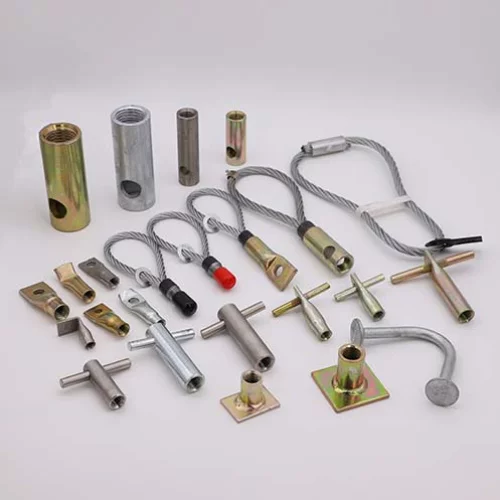
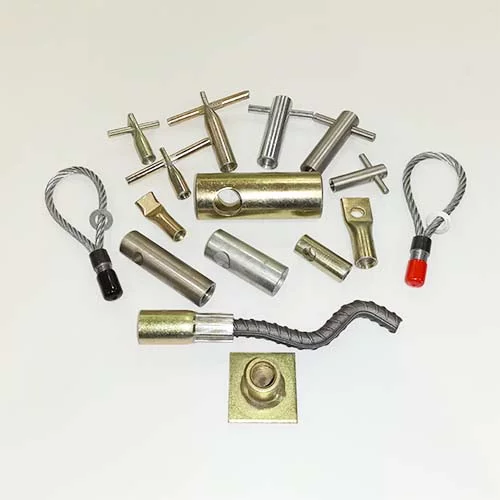
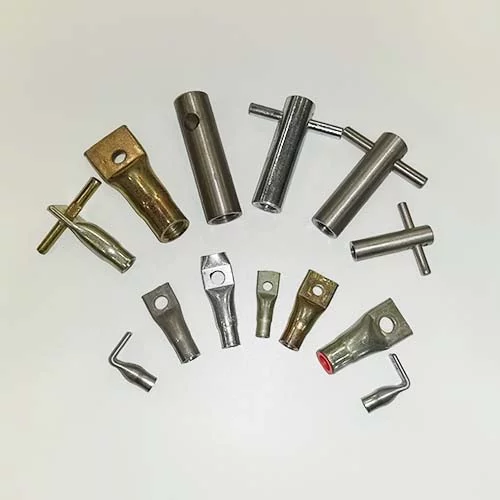
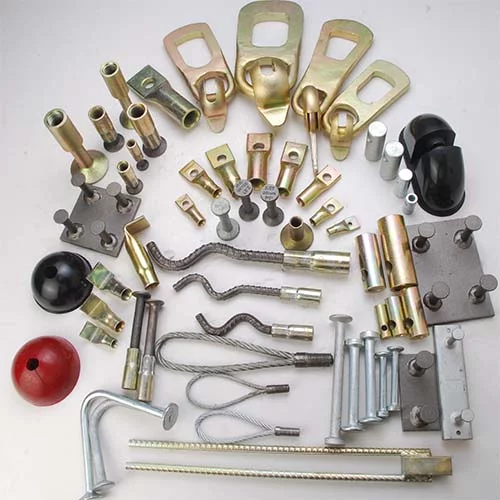
HULK Metal is a professional manufacturer specializing in precast concrete accessories, including lifting anchors, lifting clutches, lifting socket ,lifting loops,and spread anchors.
With extensive experience in forging and precision machining, HULK Metal produces lifting components designed to meet strict structural and safety requirements. Each product is manufactured using high-strength steel and undergoes comprehensive quality inspection to ensure reliable performance.
The company operates a complete supply chain system covering raw material sourcing, forging, machining, surface treatment, quality control, and packaging. This integrated production capability allows HULK Metal to provide consistent product quality, competitive pricing, and reliable delivery.
For customers requiring customized specifications or special load capacities, HULK Metal can provide tailored manufacturing solutions based on engineering drawings and project requirements.
Although many types of precast lifting systems exist, the combination of lifting anchors, lifting clutches, and recess formers forms one of the most reliable and widely used solutions in modern precast construction.
The lifting anchor provides the embedded load-bearing connection, the recess former ensures proper installation and accessibility, and the lifting clutch acts as the reusable lifting device that connects the anchor to lifting equipment.
Together, these components create a safe, efficient, and practical lifting system for handling heavy precast concrete elements throughout production, transportation, and installation.
Article Navigation
PRECAST CONCRETE ACCESSORIES
OTHER RELATED ARTICLE
Other Precast Concrete Accessories You Might Want to Know
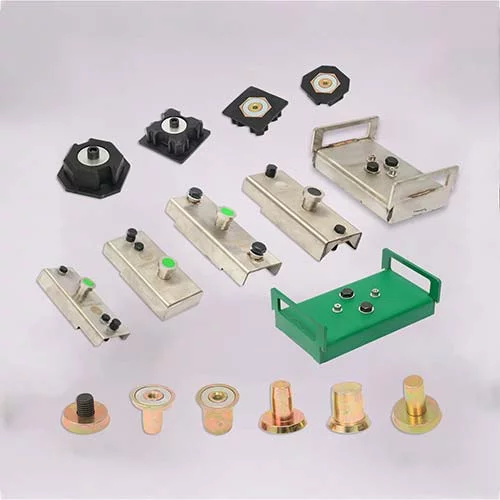
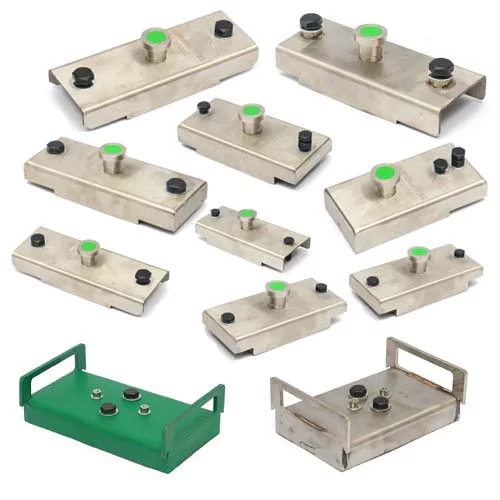
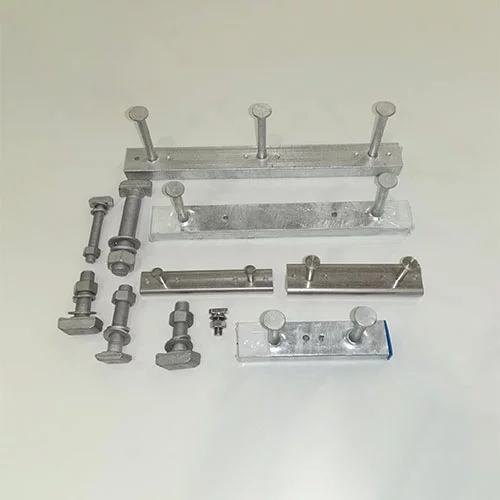
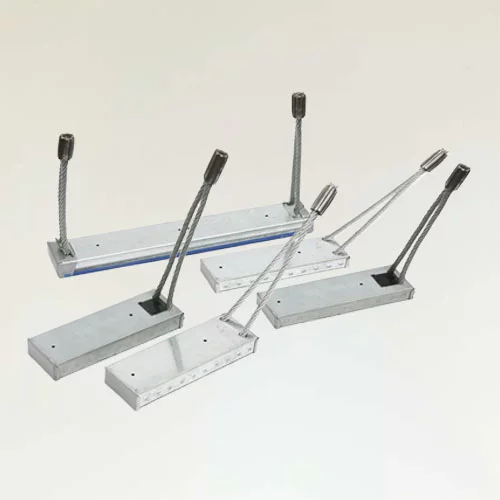
You can click to learn more about HULK Metal precast concrete accessories such as lifting anchors, precast sockets, spread anchors, shuttering magnets, cast-in channels, wire loop boxes, and other precast concrete accessories you might want to know.