

A Comprehensive Introduction to the Erection Anchor System

With the rapid adoption of precast concrete in modern construction, the demand for safe, efficient, and repeatable lifting solutions has never been higher. From high-rise buildings to infrastructure projects such as bridges and tunnels, precast elements are often large, heavy, and require precise handling throughout transportation and installation.
In this context, lifting systems are no longer just auxiliary tools—they are engineered safety components that directly impact construction efficiency, worker safety, and project timelines. Among the various lifting solutions available, erection anchor systems have emerged as a highly specialized and reliable option, particularly for wall panels and structurally sensitive components.
What Is an Erection Anchor System?
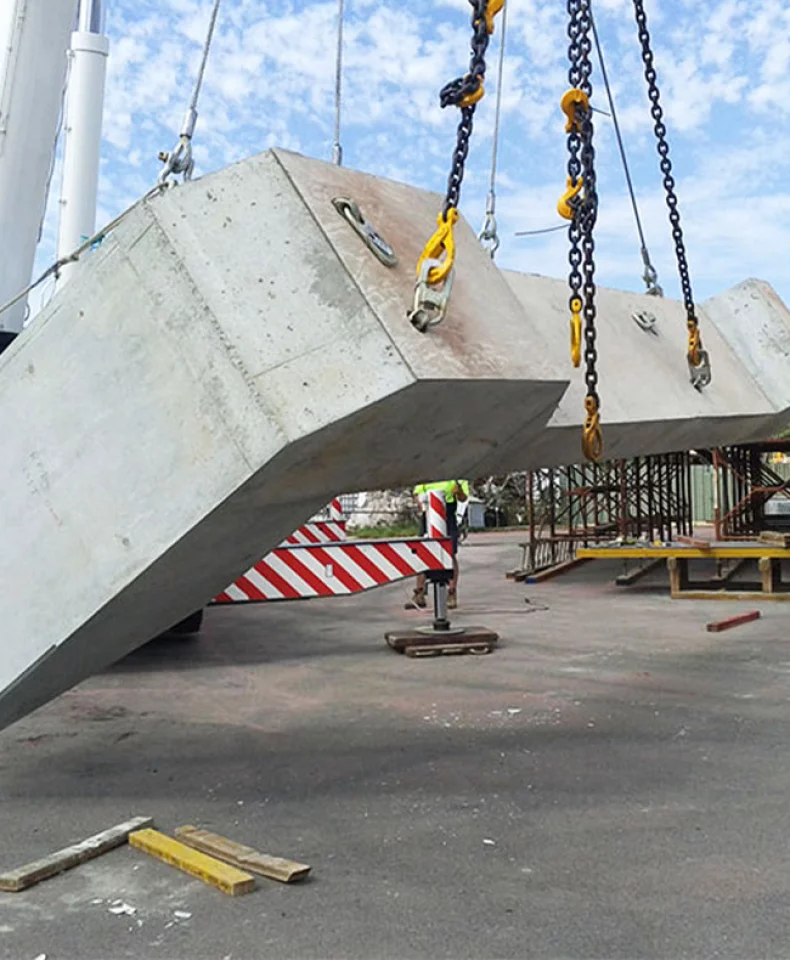
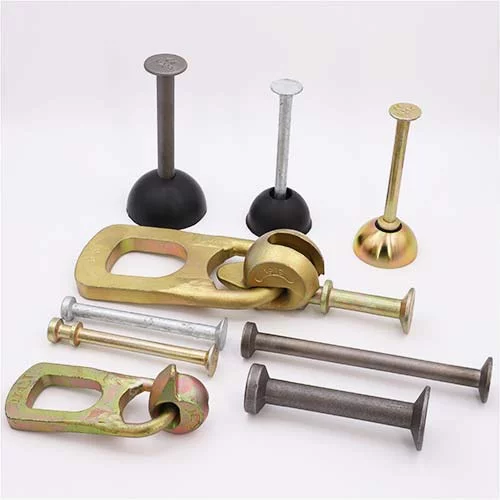
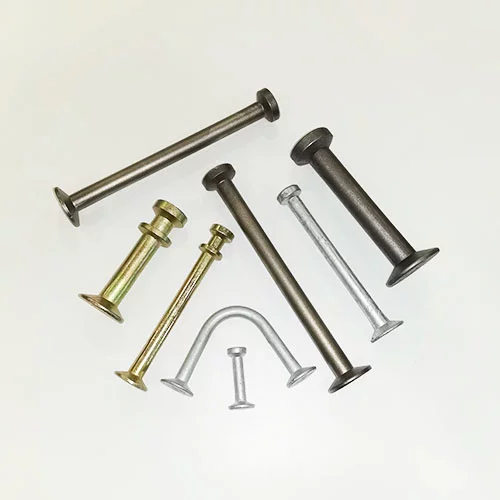
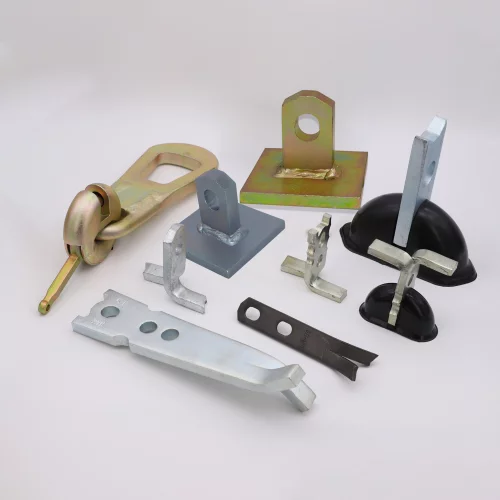
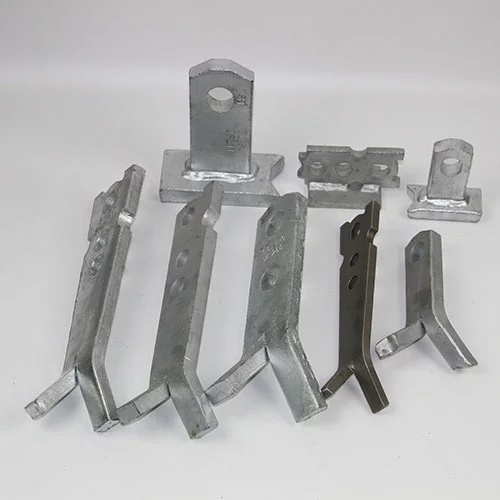
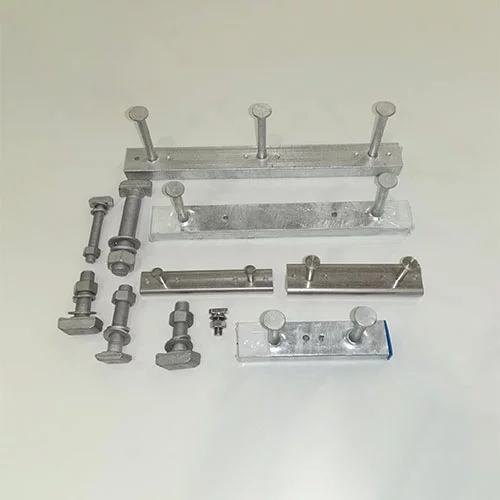
An erection anchor system is a pre-embedded lifting solution designed specifically for handling precast concrete elements. Unlike conventional lifting anchors, it is primarily manufactured from high-strength steel plates and works in conjunction with a dedicated spreader equipped with a rotating pin.
Core Components:
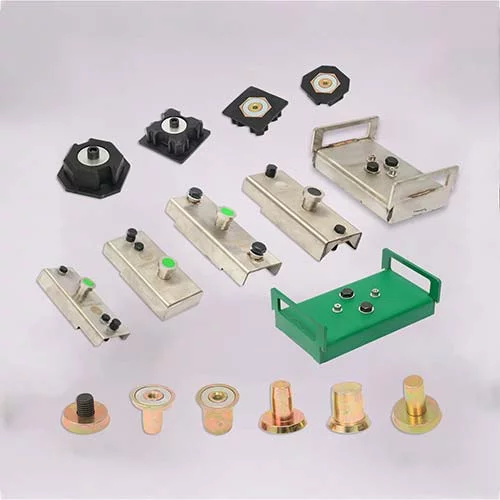
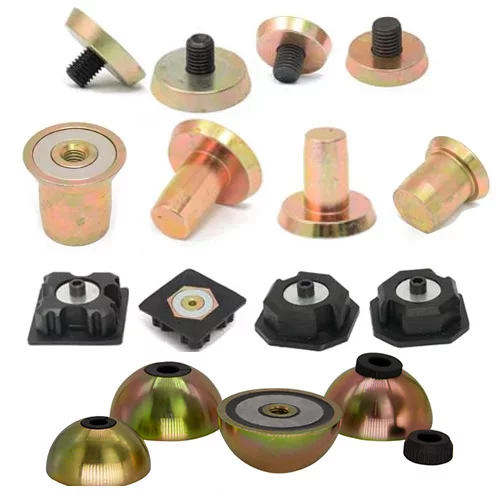
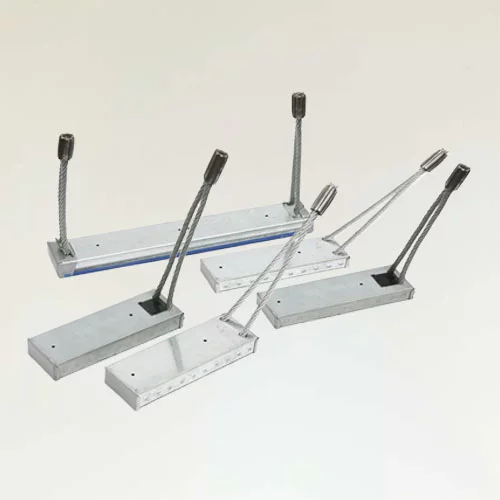
During casting, a rubber recess former is used to position the erection anchor and create a precise recess or groove on the concrete surface. This groove ensures that the lifting device can securely engage with the erection anchor, providing stable load transfer and enhanced safety.
The system allows for quick connection and disconnection, significantly improving operational efficiency during lifting and installation.
Structural Design and Key Features
The effectiveness of an erection anchor system lies in its innovative structural design, which combines safety, functionality, and ease of use.
Key Design Features:
Flat Plate Anchor Structure
Designed for optimal load distribution within the concrete element.
Open Hook Geometry
Allows easy engagement with lifting equipment.
Rotating Latch Mechanism
Prevents accidental disengagement during lifting operations.
Directional Load Capacity
The system has different load-bearing capabilities depending on orientation, requiring precise planning.
High Load Capacity
Typically supports loads ranging from 1.3 tons up to 32 tons per anchor point, depending on specifications.
These features make erection anchors particularly suitable for controlled lifting scenarios, where safety and precision are critical.
Advantages of Erection Anchor Systems
Erection anchor systems offer several advantages that make them stand out in the precast industry:
Enhanced Safety
The ability to release the lifting device at ground level eliminates the need for workers to operate at height, significantly reducing accident risks.
High Load-Bearing Performance
Engineered with high safety factors, these systems can handle heavy structural components with confidence.
Improved Efficiency
Quick connection and release mechanisms can improve lifting efficiency by 20–30%, especially in repetitive operations.
Adaptability
Suitable for complex lifting environments, including confined spaces and irregular component geometries.
Reduced Labor Intensity
Simplified operations reduce dependency on highly skilled labor and minimize manual intervention.
Installation Process and Technical Guidelines
Proper installation is essential to ensure the performance and safety of the erection anchor system.
Step-by-Step Installation
1. Select the Appropriate System
Choose anchors based on the size, weight, and type of precast element.
2. Position the Anchor Using a Former
Use an oblate spherical former to fix the anchor and create a secure recess.
3. Install Compatible Lifting Equipment
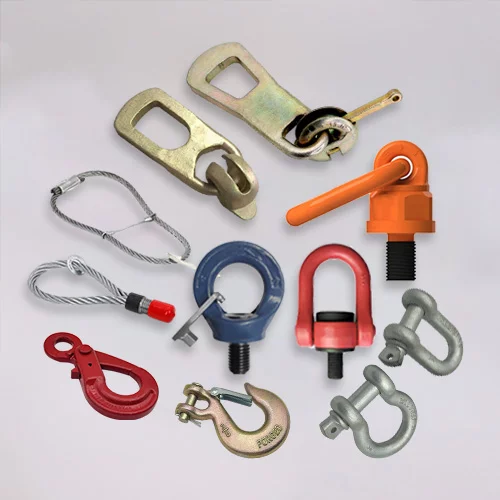
Use wire rope slings and universal lifting clutches for safe handling.
4. Ensure System Compatibility
Verify that all components—anchors, spreaders, and lifting devices—are fully compatible.
5. Execute Lifting Operation
Engage the spreader, lift the component, and release it safely after placement.
Important Precautions
Avoid using soft rope lifting clutches for flipping operations
Ensure correct anchor orientation due to directional load limits
Confirm all lifting equipment meets safety standards
Always follow manufacturer guidelines and load ratings
Comparison with Other Lifting Systems
Choosing the right lifting system requires understanding how erection anchors compare with other commonly used solutions.
| Criteria | Erection Anchor Systems | Lifting Anchor Systems | Wavy Tail Anchor Systems |
|---|---|---|---|
| Safety | Ground-level release reduces high-altitude risks; safer operation | Often requires unhooking at height; higher safety risk | Moderate safety; depends on lifting method |
| Load Capacity | High load capacity (up to 32T per point) | High load efficiency with optimized load transfer | Moderate load capacity depending on design |
| Precision | Good, but depends on correct orientation | Very high precision (millimeter-level accuracy) | Lower precision compared to other systems |
| Ease of Operation | Quick connection and release; requires planning for direction | Simple and widely used; easy to operate | Flexible but may require more adjustments |
| Flexibility | Best for specific applications (e.g., wall panels) | Highly versatile across many precast elements | Highly flexible for non-standard applications |
| Production Efficiency | High efficiency in repetitive lifting operations | High efficiency and standardized production | Lower production efficiency |
| Application Scenarios | Wall panels, complex lifting environments | Standard precast components (beams, slabs, columns) | Customized or irregular components |
| Design Considerations | Directional load must be considered | Less directional limitation | Flexible design with fewer constraints |
| Cost Efficiency | High value for safety-critical projects | Balanced cost-performance ratio | Suitable for specialized, lower-volume projects |
Key Takeaway
There is no “one-size-fits-all” solution. The optimal system depends on:
Component geometry
Load requirements
Construction environment
Safety considerations
How to Choose the Right Erection Anchor System
Selecting the correct system is essential for both safety and efficiency.
Based on Precast Element Type
Thin wall panels require specialized anchors
Heavy structural components need high-capacity systems
Based on Load Requirements
Consider full load range (1.3T–45T)
Include safety factors and dynamic loads
Based on System Compatibility
Ensure compatibility with lifting clutches and spreaders
Integrate seamlessly with existing construction systems
Special Design Considerations
Angle lifting (e.g., 90° lifting systems)
Irregular shapes and custom components
Maintenance and Inspection Best Practices
Regular maintenance ensures long-term reliability and safety.
Routine Inspection
Check for wear, deformation, or cracks
Inspect before every major lifting operation
Cleaning and Maintenance
Remove debris, rust, and contaminants
Maintain clean contact surfaces
Component Replacement
Replace damaged or worn parts immediately
Use only certified replacement components
Operator Training
Provide professional training for handling and maintenance
Ensure compliance with safety standards
Ensuring Safety and Efficiency in Real Applications
To maximize the benefits of erection anchor systems, contractors should adopt a holistic approach:
Use High-Quality Materials
Durable, wear-resistant steel improves lifespan and safety
Apply Advanced Lifting Techniques
Combine lifting, flipping, and positioning for efficiency
Optimize Embedded Design
Ensure correct positioning of anchors within concrete elements
Consider Full Load Spectrum
Design for varying load conditions across the project
Implement Strict Quality Control
Monitor every stage—from manufacturing to on-site installation
Erection anchor systems represent a highly efficient and safe solution for modern precast concrete lifting operations. With their unique design, ground-level release capability, and high load capacity, they are particularly suitable for projects where safety and precision are non-negotiable.
However, achieving the best results requires more than just selecting the right product—it involves proper design, installation, and system integration.
Looking for a Reliable Erection Anchor Solution?
At HULK Metal, we specialize in manufacturing high-quality precast concrete lifting systems, including erection anchors, lifting anchors, and customized metal components.
With a complete supply chain, strict quality control, and engineering support, we help clients worldwide:
Improve lifting safety
Reduce project costs
Shorten delivery timelines
Get in touch today to find the right lifting solution for your project.
Article Navigation
PRECAST CONCRETE ACCESSORIES
OTHER RELATED ARTICLE
Other Precast Concrete Accessories You Might Want to Know
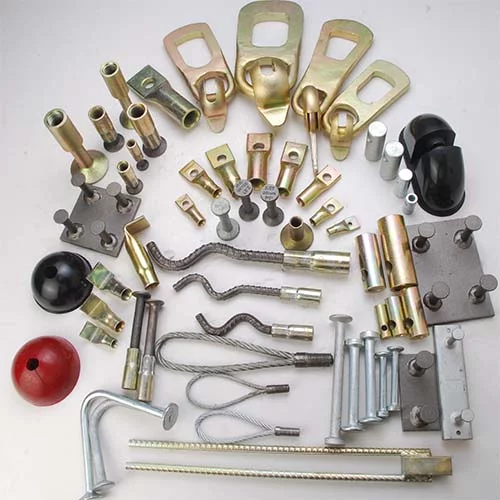
You can click to learn more about HULK Metal precast concrete accessories such as lifting anchors, precast sockets, spread anchors, shuttering magnets, cast-in channels, wire loop boxes, and other precast concrete accessories you might want to know.