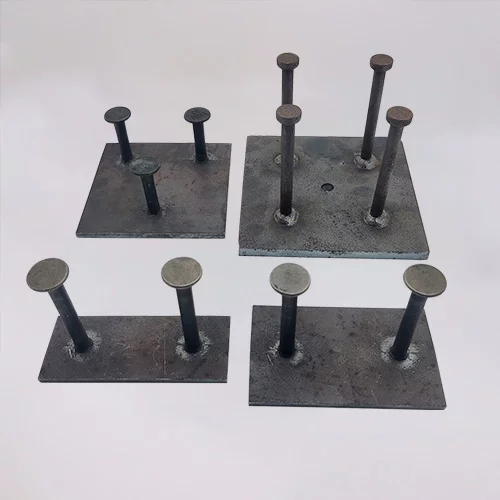

A Complete Guide to Using Concrete Fixing Sockets in Precast Construction

In today’s construction industry, where speed, precision, and safety are no longer optional but essential, precast concrete has become a dominant building method. As projects scale up and timelines tighten, the performance of embedded connection systems directly impacts not only structural integrity but also overall project efficiency.
Among these systems, Concrete Fixing Sockets have emerged as a highly reliable and standardized solution for creating secure connections within concrete elements. Whether used for structural fixing, temporary installation support, or modular assembly, fixing sockets provide engineers and contractors with a predictable and repeatable connection method.
Compared with traditional techniques such as on-site drilling or welding, fixing sockets enable a more controlled and industrialized construction process. In fact, industry data shows that adopting pre-embedded connection systems can reduce installation time by up to 40%, while significantly lowering rework rates.
This guide provides a comprehensive overview of concrete fixing sockets, including their working principles, types, applications, selection criteria, installation practices, and quality standards—helping you maximize performance in real-world projects.
What Is a Concrete Fixing Socket?
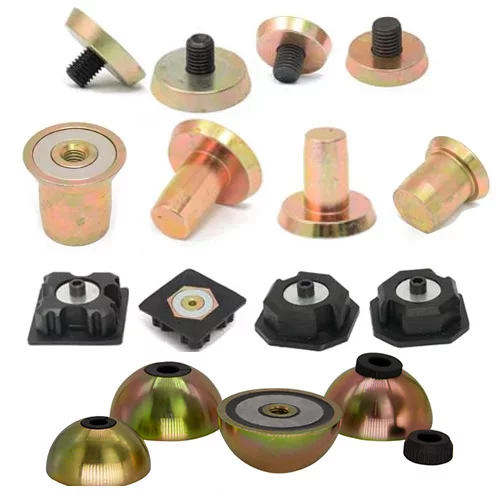
A Concrete Fixing Socket is a threaded metal insert designed to be embedded into concrete during the casting process. Once the concrete cures, the socket forms a strong mechanical bond with the surrounding material, creating a secure internal thread for fastening external components.
Working Mechanism
The functionality of a fixing socket is based on three key stages:
Embedding: The socket is positioned and fixed in place before or during concrete pouring
Bonding: As the concrete cures, the socket becomes an integral part of the structure
Connection: Bolts or threaded rods are installed into the socket to create a mechanical connection
This system ensures that loads are transferred safely from the connected component into the concrete structure.
Materials and Surface Treatments
The performance of fixing sockets largely depends on material selection:
Carbon Steel
Often zinc-plated or hot-dip galvanized
Cost-effective and suitable for most indoor or general applications
Stainless Steel (304 / 316)
Excellent corrosion resistance
Ideal for marine, coastal, or chemically aggressive environments
Surface treatments play a critical role in extending service life, especially in outdoor or high-humidity conditions.
Typical Applications
Concrete fixing sockets are widely used in:
Precast wall panels, beams, and slabs
Structural columns and modular components
Curtain wall and façade systems
Equipment and machinery anchoring
Infrastructure elements such as bridges and tunnels
Why Use Fixing Sockets in Concrete Applications
The shift toward prefabrication has accelerated the adoption of fixing sockets due to their clear advantages over traditional fixing methods.
Superior Structural Reliability
Unlike post-installed anchors, fixing sockets are integrated during casting, ensuring a more consistent and predictable load-bearing performance. This reduces the risk of installation errors and structural failure.
Significant Time Savings
Pre-installed sockets eliminate the need for drilling, cleaning, and chemical curing on-site. In repetitive construction scenarios, this can improve installation efficiency by 30%–50%.
Enhanced Jobsite Safety
By reducing on-site operations such as drilling and welding, fixing sockets help minimize:
Dust and noise pollution
Worker fatigue
Human error risks
Flexibility in Assembly
Threaded connections allow for:
Easy alignment adjustments
Quick disassembly and reinstallation
Compatibility with various accessories
Cost Efficiency
Although the initial component cost may be slightly higher than basic anchors, the total project cost is reduced through:
Lower labor requirements
Reduced rework
Faster project completion
Main Types of Concrete Fixing Sockets
Selecting the correct socket type is essential to achieving the desired structural performance. Different designs provide different levels of anchorage and load capacity.
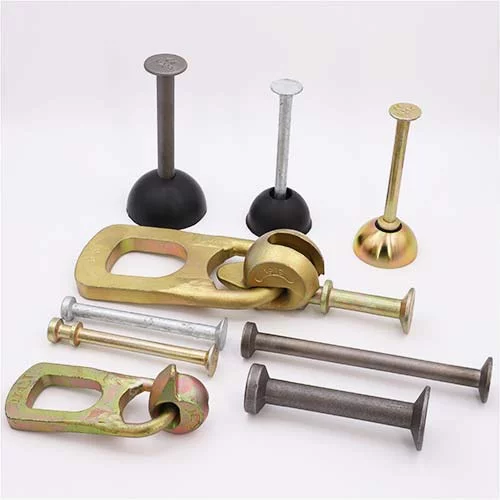
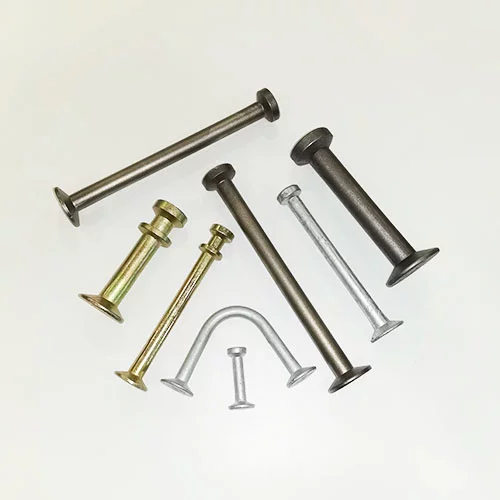
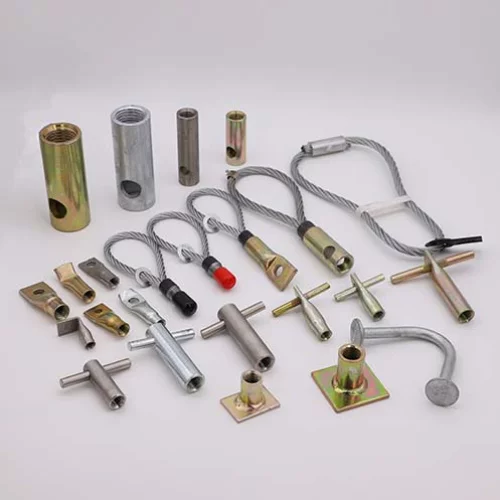
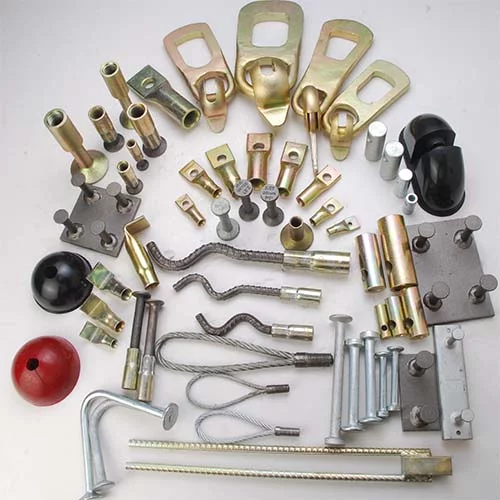
Flat End Fixing Socket
Structure: Cylindrical body with a flat termination
Performance: Relies mainly on bond strength with concrete
Applications: Light-duty fixing, non-critical connections
Advantages:
Simple design
Low manufacturing cost
Easy availability
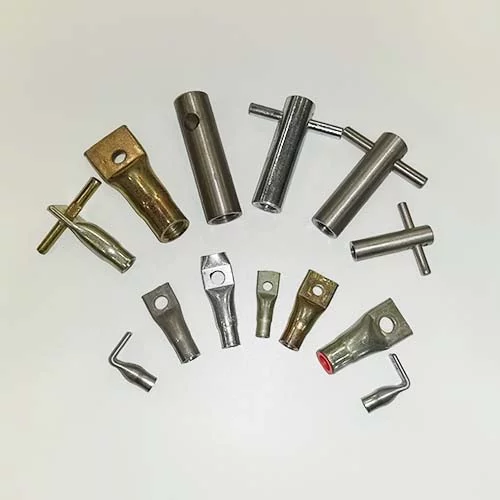
Flat Fixing Socket with Cross Pin
Structure: Flat-end socket with a transverse steel pin
Performance: Mechanical interlock enhances pull-out resistance
Applications: Medium-load structural connections
Advantages:
Improved anchorage compared to flat end
Suitable for standard precast applications
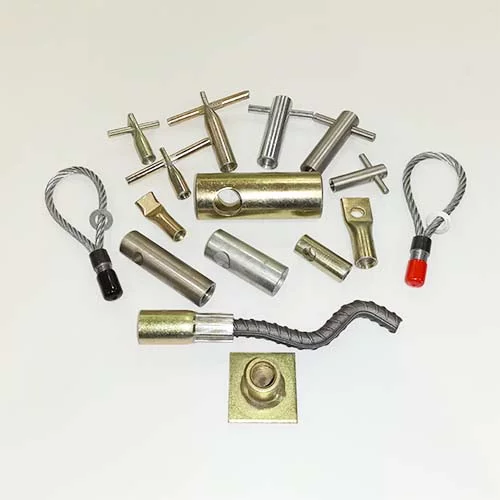
Solid Rod Fixing Socket with Cross Pin
Structure: Solid steel rod body combined with cross pin reinforcement
Performance: High strength and excellent load transfer capability
Applications: Heavy-duty and safety-critical structures
Advantages:
Superior durability
High tensile and shear capacity
Reliable under dynamic loads
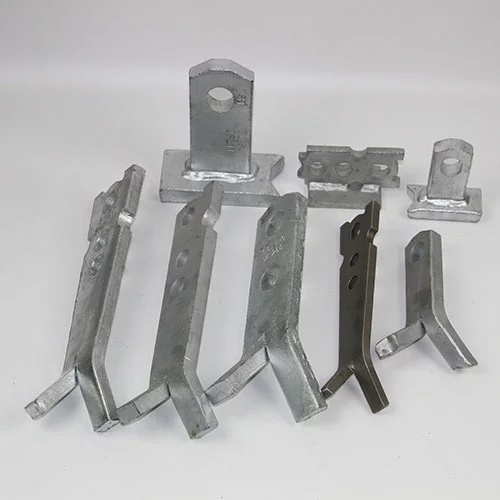
Fixing Socket with Bent End
Structure: Hooked or bent tail design
Performance: Enhanced mechanical bonding with concrete
Applications: Seismic zones or dynamic load environments
Advantages:
Strong resistance to pull-out forces
Improved stability under vibration
Fixing Socket with Wavy End
Structure: Corrugated or wavy tail
Performance: Distributes stress more evenly across the concrete
Applications: High-performance or critical infrastructure projects
Advantages:
Excellent anchorage behavior
Reduced stress concentration
Long-term structural reliability
How to Choose the Right Fixing Socket
Choosing the appropriate fixing socket requires a combination of engineering judgment and project-specific considerations.
Load Requirements
Light-duty applications → Flat End
Medium loads → Cross Pin types
Heavy loads → Solid Rod or Wavy End
Concrete Element Geometry
Thin panels → Compact, shorter sockets
Thick beams/columns → Reinforced or extended designs
Installation Conditions
Precast factory embedding (preferred)
Compatibility with lifting or fixing accessories
Environmental Factors
Indoor → Zinc-plated carbon steel
Outdoor → Hot-dip galvanized steel
Marine or chemical → Stainless steel
Standards and Certifications
Ensure compliance with international standards such as:
CE certification
ISO quality management systems
Installation Guidelines for Concrete Fixing Sockets
Correct installation is essential to achieving the designed load capacity.
Pre-Casting Preparation
Position sockets accurately according to design drawings
Secure them firmly to prevent movement during pouring
Concrete Pouring Stage
Avoid direct impact from flowing concrete
Ensure adequate concrete cover thickness
Post-Curing Inspection
Check thread cleanliness and integrity
Confirm proper alignment and embedment
Common Installation Errors
Misalignment causing connection issues
Insufficient embedment depth
Thread contamination or damage
Even small installation errors can reduce load capacity by 20% or more, making proper procedures critical.
Key Applications of Fixing Sockets
Concrete fixing sockets are used across a wide range of industries and applications:
Precast Construction: Panels, beams, slabs
Façade Systems: Curtain wall fixing and alignment
Industrial Equipment: Machine base anchoring
Infrastructure: Bridges, tunnels, rail systems
Temporary Connections: Installation and positioning support
Their versatility makes them a core component in modern modular construction systems.
Comparison with Other Fixing and Lifting Systems
To better understand where fixing sockets fit within the broader construction ecosystem, the following comparison highlights their advantages:
| System Type | Installation Stage | Load Capacity | Efficiency | Reusability | Typical Application |
|---|---|---|---|---|---|
| Fixing Socket | Precast embedding | Medium to High | High | Yes | Structural fixing & connections |
| Lifting Anchor | Precast embedding | High | High | No | Lifting precast elements |
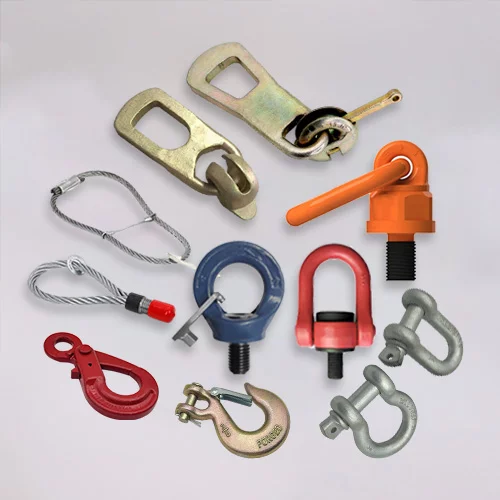
| Lifting Clutch | Used with anchors | High | High | Yes | Safe lifting operations |
| Chemical Anchor | Post-installation | Medium | Medium | No | Retrofitting & repair |
| Expansion Bolt | Post-installation | Low to Medium | Low | No | Light-duty fixing |
Key Takeaways
Fixing sockets offer the best balance between strength, efficiency, and flexibility
Pre-embedded systems outperform post-installed anchors in both reliability and speed
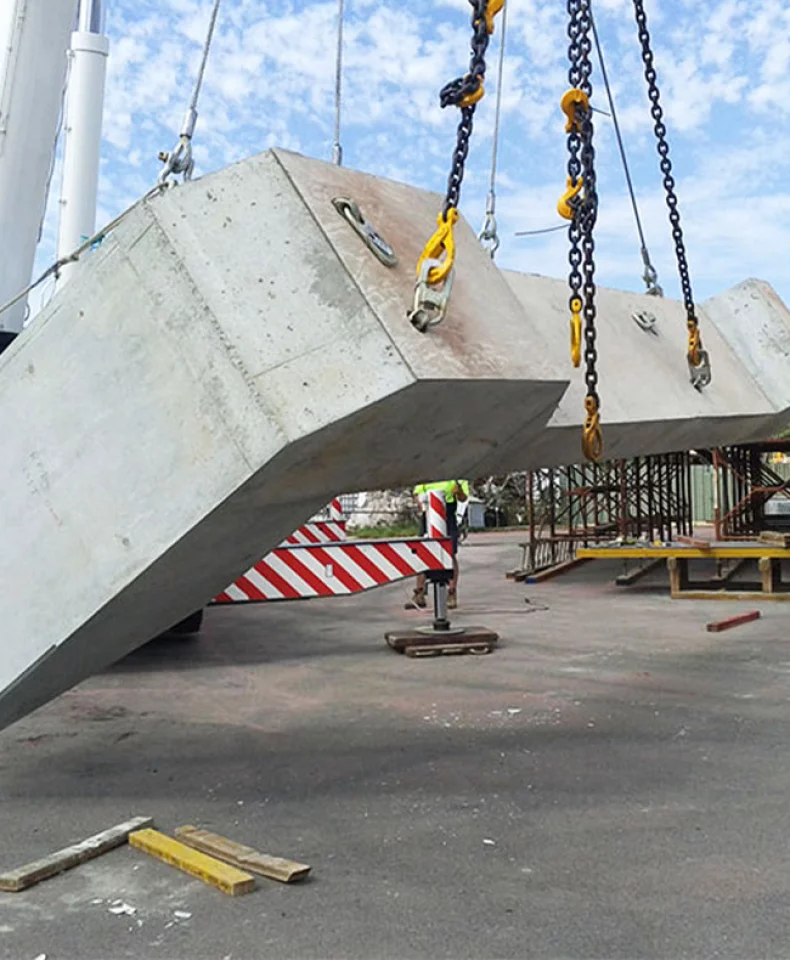
Integration with lifting systems enhances overall construction workflow
Quality Standards and Testing Requirements
Ensuring product quality is essential for safety-critical applications.
Mechanical Testing
Pull-out strength testing
Load capacity verification
Material Testing
Chemical composition analysis
Tensile strength testing
Surface Treatment Inspection
Coating thickness measurement
Corrosion resistance testing
Process Control
Leading manufacturers implement full-process quality control, including:
Raw material inspection
In-process monitoring
Final product testing
Why Choosing the Right Supplier Matters
Even the best-designed fixing socket will fail to deliver its full performance without consistent manufacturing quality. That’s why selecting the right supplier is just as important as choosing the right product type.
A reliable manufacturer should offer:
Strict quality control from raw materials to final inspection
Stable and scalable production capacity
Engineering support for customized solutions
On-time delivery backed by a strong supply chain
With extensive experience in metal processing and construction hardware, HULK Metal provides high-quality concrete fixing sockets tailored to global project requirements. From material selection and precision manufacturing to inspection and packaging, every step is carefully controlled to ensure durability, safety, and performance.
If you are looking to improve connection reliability while optimizing project efficiency, partnering with an experienced supplier like HULK Metal can give you a clear competitive advantage.
Concrete fixing sockets have become a fundamental component in modern precast construction. Their ability to provide secure, efficient, and repeatable connections makes them far superior to traditional fixing methods in many applications.
By selecting the appropriate type—whether flat end, cross pin, bent end, or wavy end—and ensuring proper installation, engineers can significantly improve both structural safety and construction efficiency.
As the construction industry continues to move toward industrialization, standardized embedded systems like fixing sockets will play an increasingly critical role in delivering faster, safer, and more cost-effective projects.
Article Navigation
PRECAST CONCRETE ACCESSORIES
Other Precast Concrete Accessories You Might Want to Know
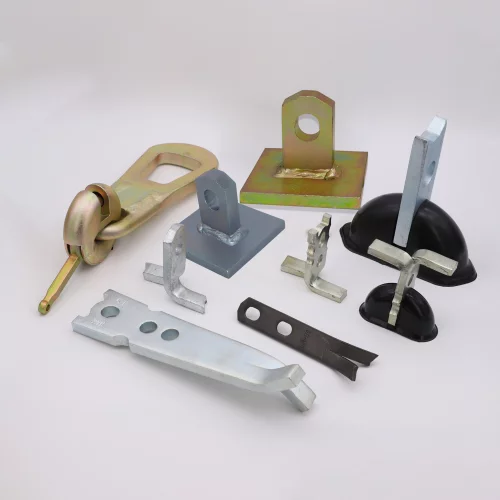
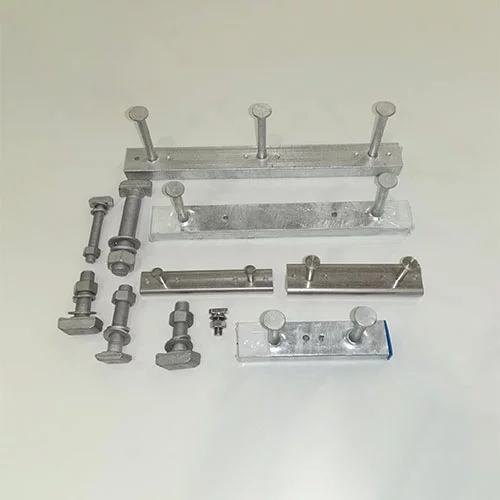
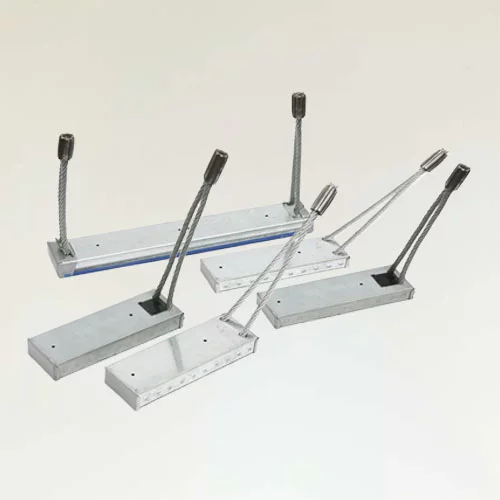
You can click to learn more about HULK Metal precast concrete accessories such as lifting anchors, precast sockets, spread anchors, shuttering magnets, cast-in channels, wire loop boxes, and other precast concrete accessories you might want to know.