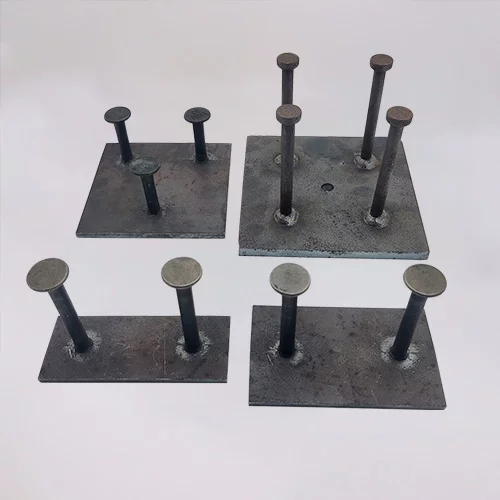

How to Use Wavy Tail Anchors with Lifting Loops in Precast Concrete

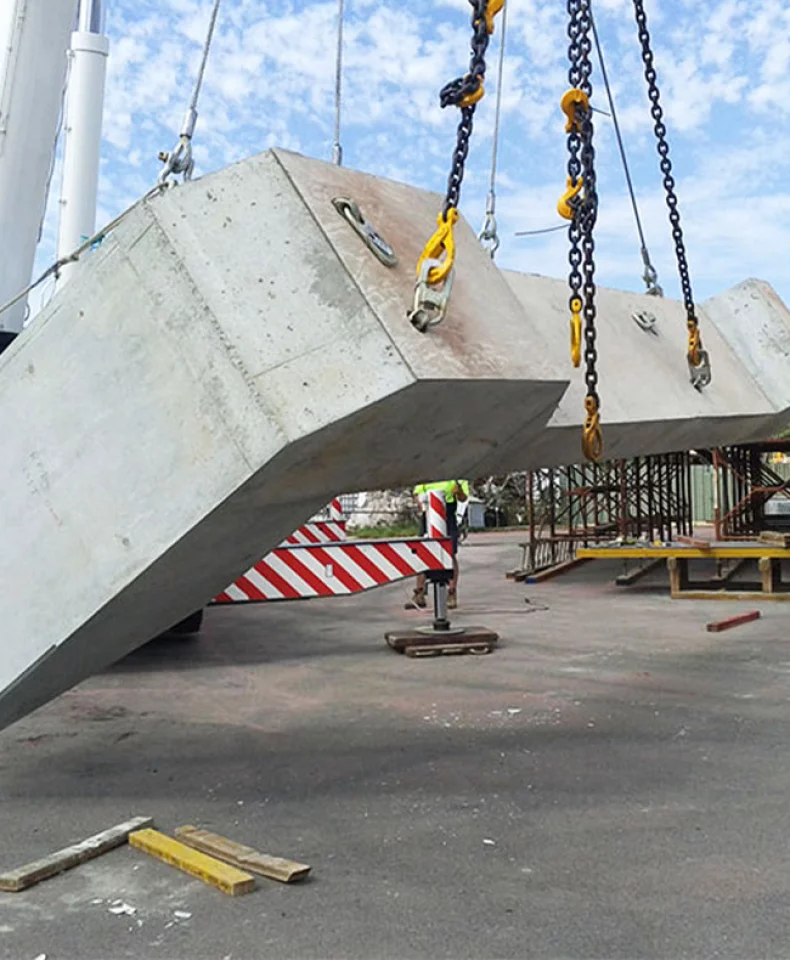
In modern precast concrete construction, lifting efficiency and safety are critical factors that directly affect project timelines, labor costs, and structural integrity. As prefabrication continues to replace traditional cast-in-place methods, the demand for reliable and cost-effective lifting systems has grown significantly.
Among various solutions, the combination of Wavy Tail Anchors and Lifting Loops has become a widely adopted system for handling medium and lightweight precast elements. Compared to complex mechanical lifting systems, this solution offers a balance between performance, simplicity, and cost efficiency.
This guide provides a comprehensive overview of how to properly use Wavy Tail Anchors with Lifting Loops, including design considerations, installation steps, and safety practices.
What Is a Wavy Tail Anchor?
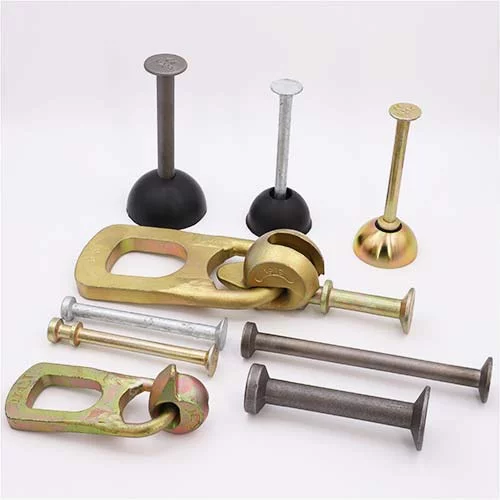
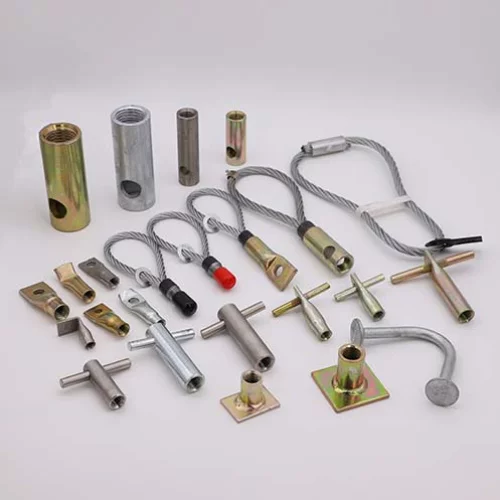
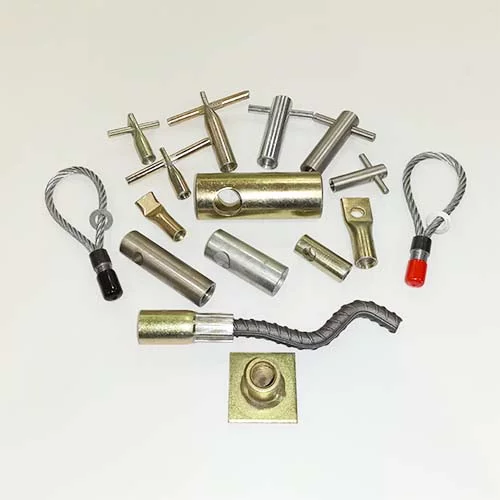
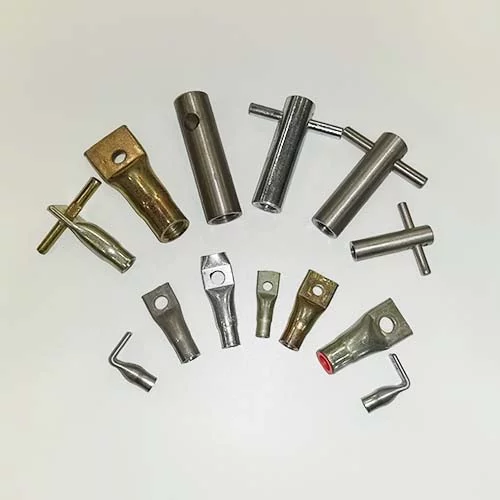
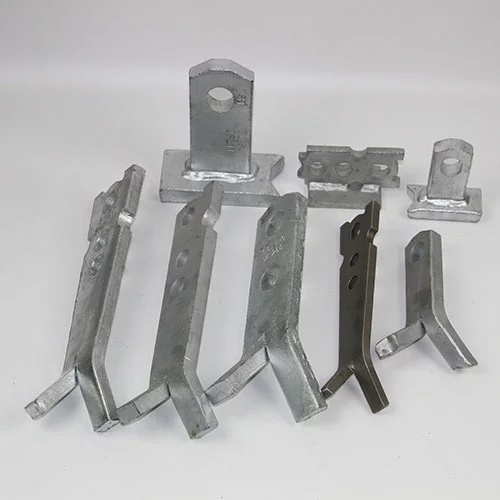
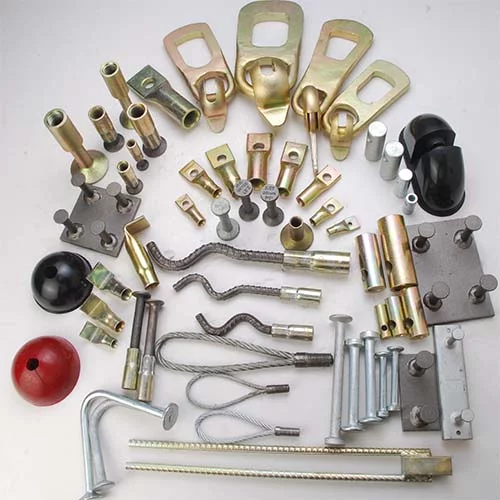
A Wavy Tail Anchor is a cast-in lifting component designed to transfer loads from a lifting device into a concrete element. It consists of two main parts:
Anchor Head: The exposed connection point used to attach lifting devices
Wavy Steel Tail: A deformed steel bar with a wave-like shape that enhances bonding with concrete
How It Works
The wavy tail increases the mechanical interlock between the steel and concrete, improving pull-out resistance. During lifting, the load is transferred:
Lifting Loop → Anchor Head → Wavy Tail → Concrete
This design ensures a reliable load path and minimizes the risk of anchor failure when properly installed.
What Is a Lifting Loop?
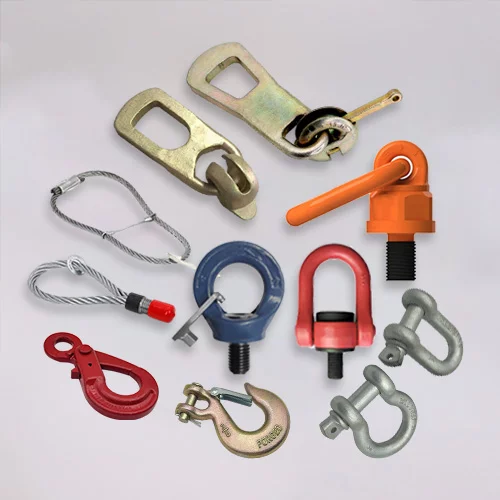
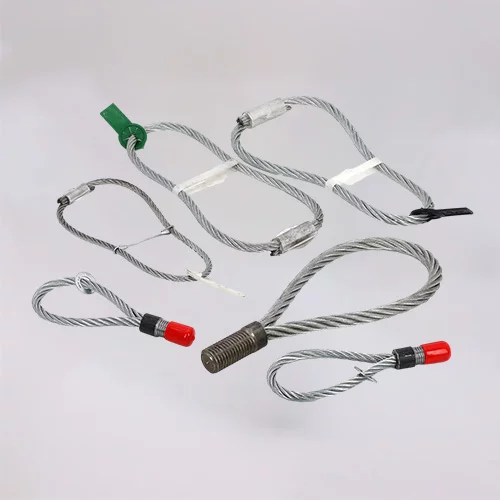
A Lifting Loop is a flexible lifting device typically made from high-strength steel wire rope or reinforcing steel. It is designed to connect easily with embedded anchors and lifting equipment such as hooks or cranes.
Key Features
Flexibility: Allows for multi-directional lifting
Ease of Use: Quick attachment and removal
Cost-Effective: Lower cost compared to mechanical lifting clutches
Reusable Options: Some loops can be reused depending on design and condition
Lifting loops are particularly suitable for projects where speed and simplicity are priorities.
Why Use Wavy Tail Anchors with Lifting Loops?
The combination of Wavy Tail Anchors and Lifting Loops creates a practical and efficient lifting system with several advantages:
Enhanced Safety
Pre-engineered anchors provide consistent performance compared to manually tied lifting points.
Simplified Installation
Anchors are embedded during casting, and loops can be attached quickly on-site without specialized tools.
Cost Efficiency
This system can reduce lifting hardware costs by up to 20–30% compared to clutch-based systems, especially in large-volume projects.
Versatility
Suitable for:
Precast wall panels
Floor slabs
Beams and small structural components
Types of Wavy Tail Anchors
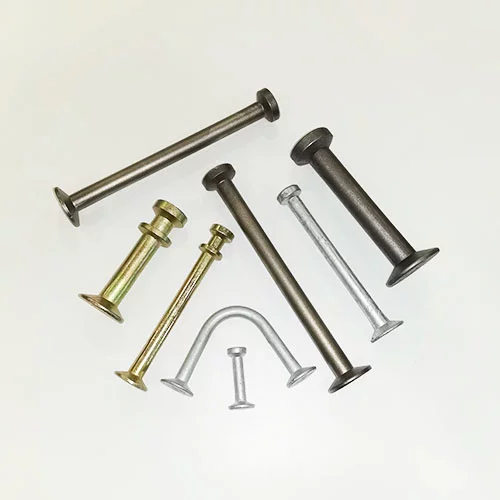
Long Wavy Tail Anchor
The Long Wavy Tail Anchor features an extended embedment length, providing higher pull-out resistance and load capacity.
Advantages:
Higher load-bearing capacity
Improved anchorage in thick concrete sections
Better performance in high-strength concrete
Typical Applications:
Heavy wall panels
Thick precast slabs
Structural elements requiring higher safety margins
Short Wavy Tail Anchor
The Short Wavy Tail Anchor is designed for applications where space is limited or loads are relatively low.
Advantages:
Compact design
Easier installation in thin sections
Lower material cost
Typical Applications:
Lightweight panels
Thin precast components
Non-structural elements
How the System Works
The effectiveness of this lifting system depends on proper load transfer through each component:
1. Lifting Loop carries the load from the crane
2. Load is transferred to the Anchor Head
3. The Wavy Tail distributes the force into the surrounding concrete
4. The Concrete Matrix resists the load through bonding and compressive strength
The wave-shaped tail significantly improves bonding performance, reducing stress concentration and increasing safety.
Step-by-Step Guide to Using the System
Design and Selection
Calculate the total weight of the precast element
Determine the number of lifting points required
Choose between Long and Short Wavy Tail Anchors
Select compatible Lifting Loops with appropriate load ratings
Anchor Installation
Position anchors accurately within the formwork
Maintain proper edge distance and spacing
Secure anchors to reinforcement cages to prevent movement
Concrete Casting
Pour concrete carefully to avoid displacement
Use proper vibration techniques to eliminate air voids
Ensure the wavy tail is fully embedded
Attaching the Lifting Loop
Insert the lifting loop into the anchor head
Verify that the connection is secure and aligned
Inspect for any visible damage before lifting
Lifting Operation
Lift slowly to avoid shock loading
Maintain proper lifting angles (typically ≤ 60°)
Ensure even load distribution across all lifting points
Key Design Considerations
To ensure optimal performance, engineers must consider:
Embedment Depth: Must match load requirements
Concrete Strength: Minimum strength must be reached before lifting
Edge Distance: Prevent cracking or breakout
Load Angle: Affects actual force on anchors
Safety Factor: Typically between 2.5 and 3
Common Mistakes to Avoid
Selecting the wrong anchor type for the load
Insufficient embedment depth
Incorrect positioning in the mold
Using damaged or worn lifting loops
Lifting before concrete reaches required strength
Avoiding these mistakes can significantly reduce the risk of failure and project delays.
Comparison with Other Lifting Systems
| System | Cost | Safety | Reusability | Best Application |
|---|---|---|---|---|
| Wavy Tail + Loop | Low | High | Partial | Medium/light precast |
| Anchor + Clutch | Higher | Very High | Full | Heavy lifting |
| Cast-in Loop | Very Low | Moderate | No | Temporary lifting |
This comparison highlights why Wavy Tail Anchors combined with Lifting Loops are often the preferred choice for cost-sensitive yet safety-conscious projects.
Safety Guidelines
Always inspect anchors and loops before use
Do not exceed rated load capacities
Avoid sudden lifting or dropping
Ensure operators are properly trained
Follow international standards such as EN and AS guidelines
About HULK Metal
When it comes to sourcing high-quality precast lifting components, choosing the right supplier is just as important as selecting the right system.
HULK Metal provides:
Precision-engineered Wavy Tail Anchors and Lifting Loops
Strict quality inspection from raw material to final delivery
Strong supply chain support for large-volume orders
Custom manufacturing based on drawings and project requirements
With experienced technical, production, and quality control teams, HULK Metal ensures every product meets international standards and performs reliably in real-world applications.
Contact HULK Metal today to get professional support and competitive quotations for your next precast project.
Article Navigation
PRECAST CONCRETE ACCESSORIES
OTHER RELATED ARTICLE
- 1.How to Choose High-Quality Shuttering Magnetic Products and Suppliers Guide
- 2.Applications and advantages of swivel hoist rings: HULK Metal provides you with safer and more flexible lifting solutions
- 3.Lifting Clutch VS Lifting Ring Clutch:Definition, Working Principle, Application Scenarios, and Selection Guide
- 4.An In-Depth Guide to Erection Anchors, Single-Hole Spread Anchors and Two-Hole Spread Anchors
- 5.Application and Significance of Lifting Anchors in Precast Concrete Accessories
Other Precast Concrete Accessories You Might Want to Know
You can click to learn more about HULK Metal precast concrete accessories such as lifting anchors, precast sockets, spread anchors, shuttering magnets, cast-in channels, wire loop boxes, and other precast concrete accessories you might want to know.