
How to Use Thread Lifting Loops in Precast Concrete Lifting Systems

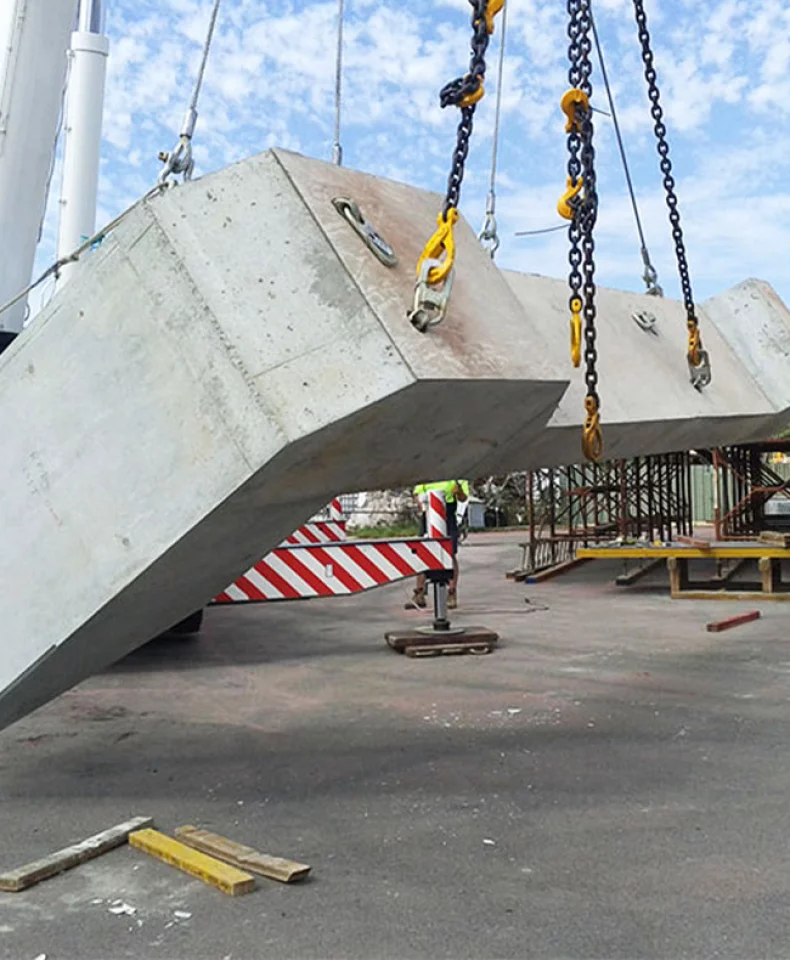
In modern precast concrete construction, lifting safety and efficiency are critical factors that directly impact project timelines, labor costs, and on-site risk control. Among various lifting solutions, thread lifting loops stand out as one of the most economical and practical options for handling precast elements.
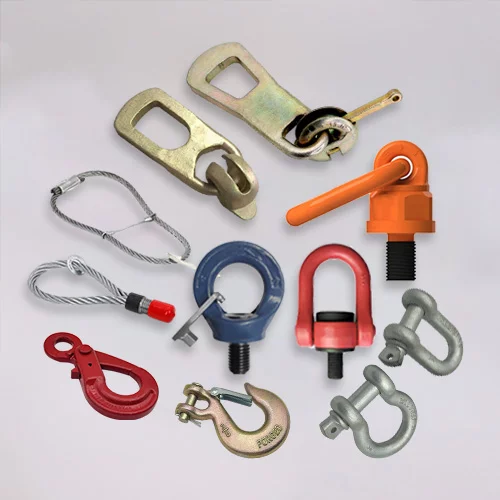
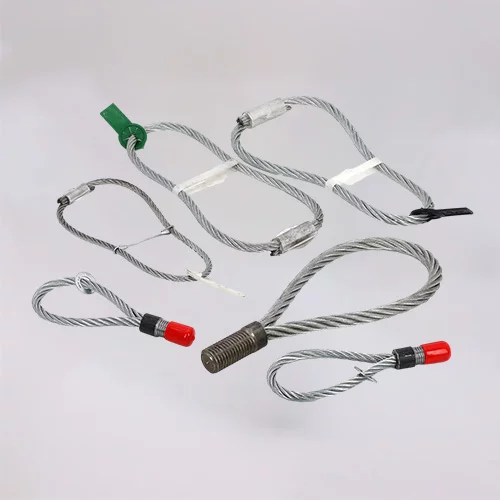
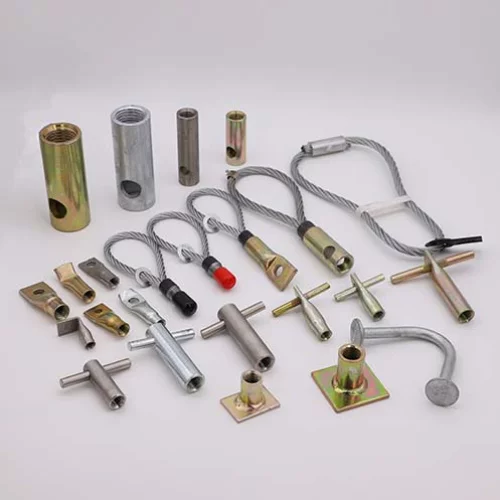
A thread lifting loop is a flexible lifting device designed to be screwed into threaded lifting sockets embedded in concrete units. It acts as the connection point between the precast element and the lifting equipment, such as cranes or hooks.
What makes thread lifting loops particularly attractive is their balance between cost, performance, and versatility. With a 5:1 safety factor, compliance with CE certification standards, and production under an ISO 9001-certified quality management system, these components provide a reliable solution for a wide range of lifting applications.
They are compatible with most threaded inserts and sockets, making them a universal choice across different precast systems. However, proper usage is essential to ensure safety and maximize performance.
Structure and Design of Thread Lifting Loops
Thread lifting loops are engineered to withstand demanding lifting conditions while maintaining flexibility and ease of use.
Material Composition
A standard thread lifting loop consists of:
High-strength galvanized steel wire rope
Provides flexibility and high tensile strength while resisting corrosion.
Steel ferrule (compression sleeve)
A steel pipe is compressed around the wire rope to form a secure connection.
Machined threaded end
Created through precision turning processes to ensure accurate fit with threaded sockets.
The galvanization process significantly improves corrosion resistance, allowing the loop to be used in outdoor and humid environments.
Thread Types
Thread lifting loops are typically available in two main thread types:
Metric Threads (M Thread)
Commonly used in standard applications worldwide.
Rd Threads (Round Threads)
Designed specifically for lifting systems, offering improved load distribution and durability.
This dual compatibility allows the loops to be used with a wide variety of threaded lifting sockets.
Load Identification and Marking
Each loop is clearly marked with:
SWL (Safe Working Load)
Thread size
Batch number for traceability
These markings are essential for ensuring safe operation and compliance with lifting regulations.
Compatible Components in a Lifting System
Thread lifting loops do not work in isolation—they are part of a complete lifting system.
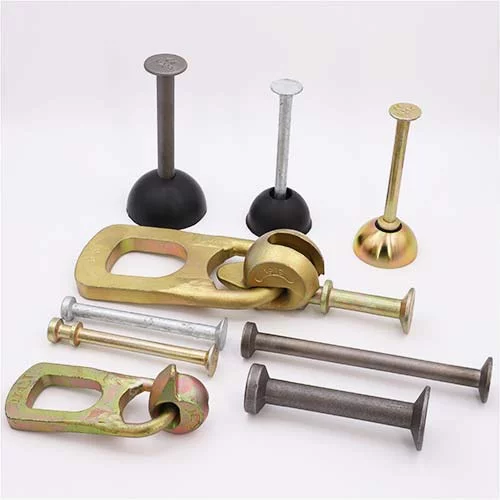
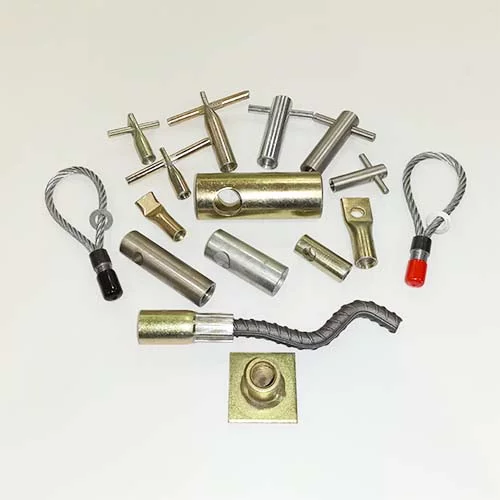
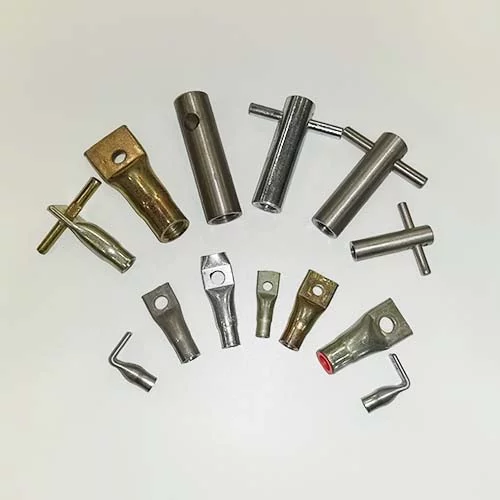
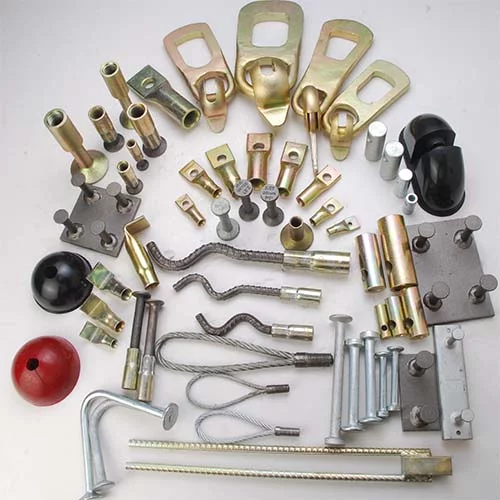
Threaded Lifting Sockets / Inserts
Common compatible inserts include:
Flat End Fixing Socket – Used for standard lifting applications
Fixing Socket with Cross Pin – Offers enhanced load distribution
Solid Rod Fixing Socket – Suitable for higher load capacities
These inserts are cast into the concrete during production and provide the anchoring point for the lifting loop.
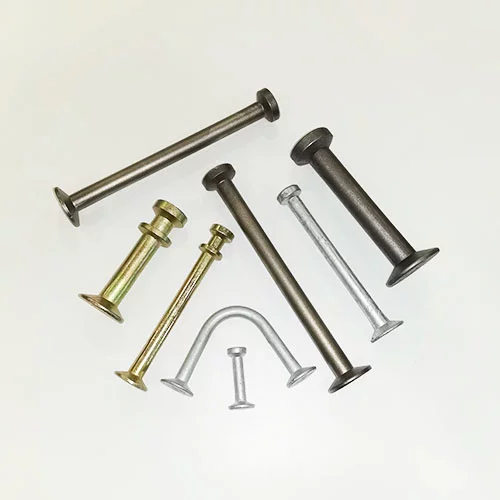
Supporting Anchoring Components
To ensure structural integrity, additional anchoring systems are often used:
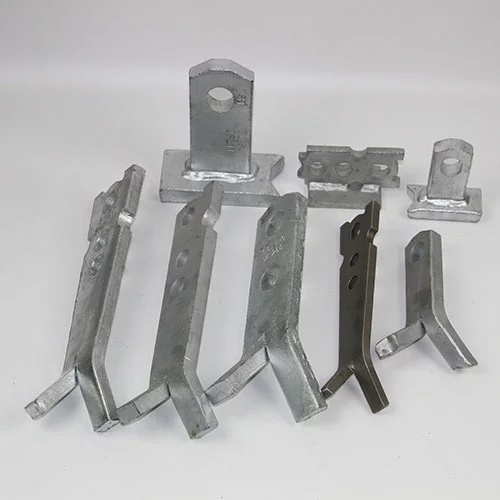
Rebar Anchors
Improve load transfer into the reinforcement cage.
Wavy Tail Anchors
Enhance bonding strength with concrete and prevent pull-out failure.
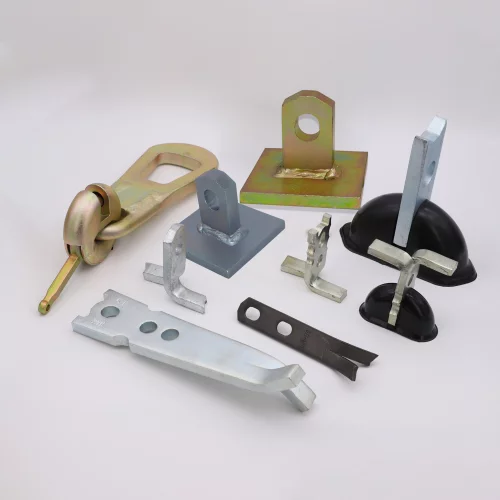
Comparison with Lifting Clutch Systems
Unlike lifting clutch systems, which are designed for heavy-duty and repeated lifting, thread lifting loops are more cost-effective and ideal for standard lifting operations.
They serve as the critical connection interface between embedded anchors and lifting equipment.
Pre-Use Requirements and Safety Conditions
Before using thread lifting loops, several safety conditions must be met.
Concrete Strength Requirement
The concrete element must reach a minimum compressive strength of:
> 15 N/mm²
Lifting before reaching this strength can lead to anchor failure or concrete cracking.
Pre-Use Inspection Checklist
Before each use, operators must verify:
The batch number and identification marking are present
The loop is compatible with the socket thread
The wire rope is free from:
Kinks
Crushing
Broken strands
Loosening of outer wires
No visible corrosion or rust damage
Any defective loop must be immediately discarded.
Step-by-Step Guide: How to Use Thread Lifting Loops

Proper handling is essential to ensure safe lifting operations.
Step 1: Verify Compatibility
Confirm the thread type (M or Rd)
Ensure the SWL matches the lifting load requirements
Check alignment with engineering drawings
Step 2: Install the Lifting Loop
Screw the loop into the socket until fully bottomed out
Ensure there is full thread engagement
If necessary, unscrew slightly (max one turn) to align the loop with the lifting direction
Partial engagement is a major safety risk and must be avoided.
Step 3: Check the Lifting Angle
Follow the lifting angle specified in technical drawings
Standard lifting angle should not exceed 45°
If the angle exceeds this limit, it is recommended to consult a professional manufacturer for guidance.
Step 4: Perform the Lifting Operation
Apply load gradually and evenly
Avoid shock loading or sudden movements
Ensure all lifting points share the load equally
Step 5: Post-Lifting Handling
Remove the lifting loop after use if required
In some cases, loops may remain in the unit until final installation
6. Important Usage Limitations
Despite their advantages, thread lifting loops have certain limitations:
❌ Not suitable for turning or pitching operations
❌ Not recommended for dynamic or high-frequency lifting
❌ Limited performance under extreme angular loads
For such conditions, alternative lifting systems should be considered.
Inspection, Testing, and Reuse Guidelines
Factory Testing and Traceability
All thread lifting loops are:
Proof load tested before dispatch
Assigned a unique batch number
Recorded in a quality control system for traceability
Reuse Guidelines
Thread lifting loops can be reused under controlled conditions:
Inspection every 6 months
Re-testing every 12 months
Rejection Criteria
A loop must be discarded if:
It shows deformation or bending
Wire strands are damaged or loosened
There is visible corrosion
Safety should always take priority over cost savings.
Advantages of Thread Lifting Loops Compared to Other Systems
| Feature | Thread Lifting Loop | Lifting Clutch System | Cast-in Anchors |
|---|---|---|---|
| Cost | Very Low | High | Medium |
| Ease of Use | High | Medium | Medium |
| Safety (Correct Use) | High | Very High | High |
| Reusability | Limited | Excellent | Limited |
| Application | Standard Lifting | Heavy Duty | Structural |
Thread lifting loops are ideal for projects where cost efficiency and simplicity are priorities.
Best Practices for Maximizing Safety and Efficiency
To ensure optimal performance:
Always use matching thread types and sizes
Avoid exceeding SWL limits
Follow approved lifting angles
Conduct regular inspections
Use proper lifting configurations based on engineering plans
In complex lifting scenarios, consult professionals to select the most appropriate system.
Why Choosing the Right Manufacturer Matters
The performance of a lifting system depends heavily on manufacturing quality.
A reliable supplier ensures:
Strict compliance with international standards (CE, ISO)
Full quality traceability
Consistent material and production quality
Professional technical support
Low-quality lifting components significantly increase the risk of accidents and project delays.
Thread lifting loops offer a cost-effective, reliable, and widely compatible solution for lifting precast concrete elements. When used correctly, they provide a high level of safety supported by a 5:1 safety factor and rigorous testing standards.
However, their performance depends on:
Proper installation
Correct load application
Regular inspection and maintenance
For contractors, engineers, and precast manufacturers, selecting the right lifting system—and using it correctly—is essential to ensuring both safety and efficiency on site.
Work with a Trusted Lifting System Partner
At HULK Metal, we understand that lifting safety is not just about components—it’s about complete system reliability.
We provide:
Full range of thread lifting loops, sockets, and anchor systems
Strict quality inspection from raw material to final delivery
Customized solutions based on your drawings and project requirements
Reliable global supply and after-sales support
If you are looking for a dependable partner for your precast lifting systems, HULK Metal is ready to support your project with precision-engineered solutions and consistent quality.
Contact us today to optimize your lifting system and improve both safety and efficiency.
Article Navigation
PRECAST CONCRETE ACCESSORIES
Other Precast Concrete Accessories You Might Want to Know
You can click to learn more about HULK Metal precast concrete accessories such as lifting anchors, precast sockets, spread anchors, shuttering magnets, cast-in channels, wire loop boxes, and other precast concrete accessories you might want to know.