
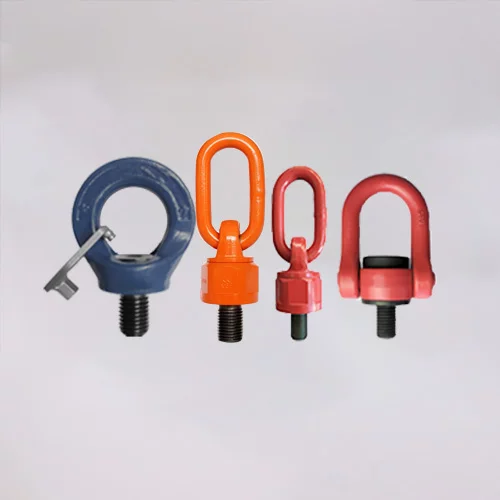
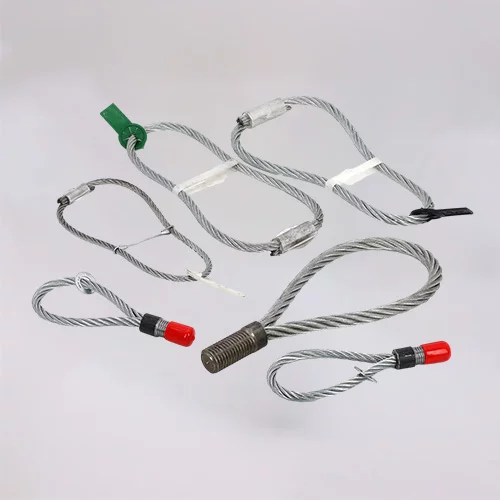
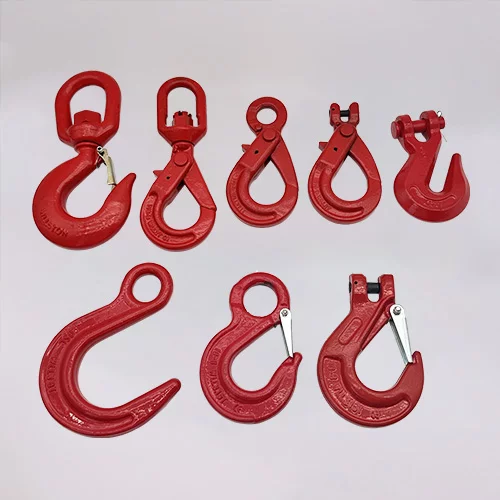
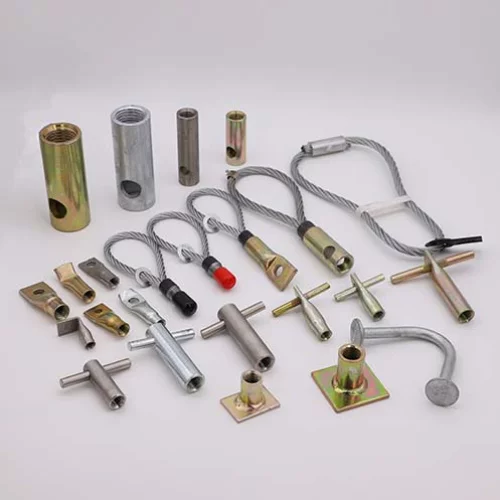
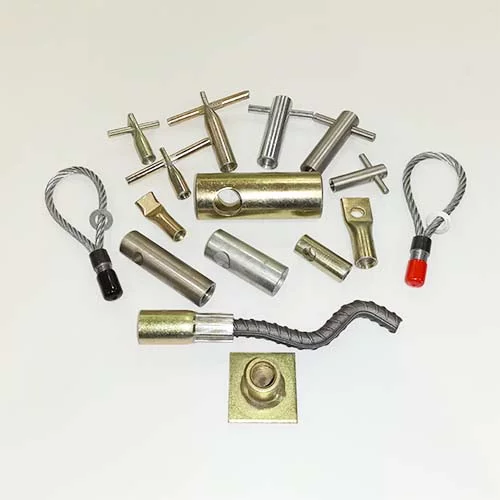
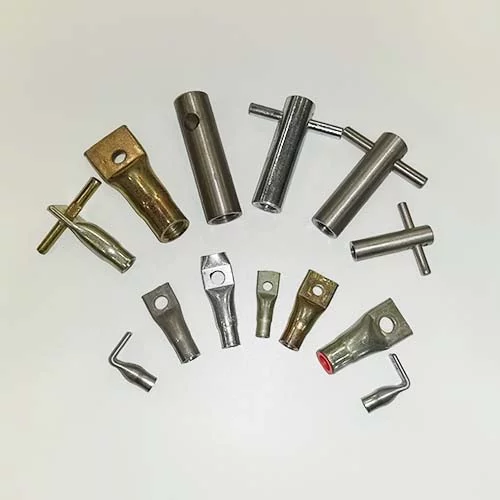
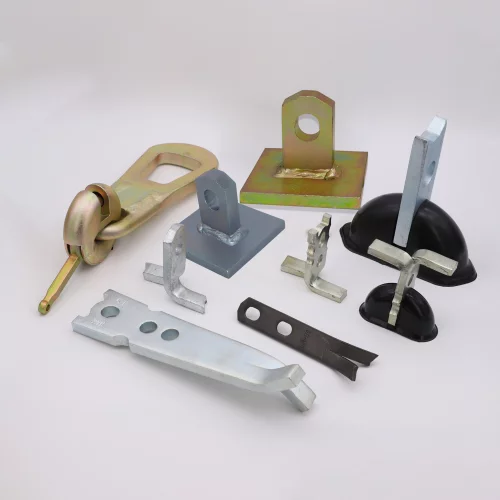
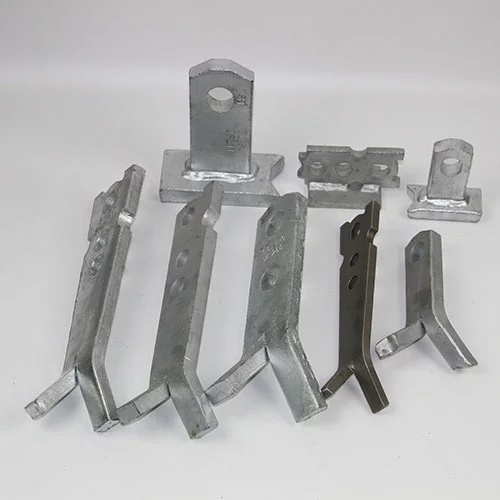

Which Lifting Anchor Is Right for Your Precast Project?

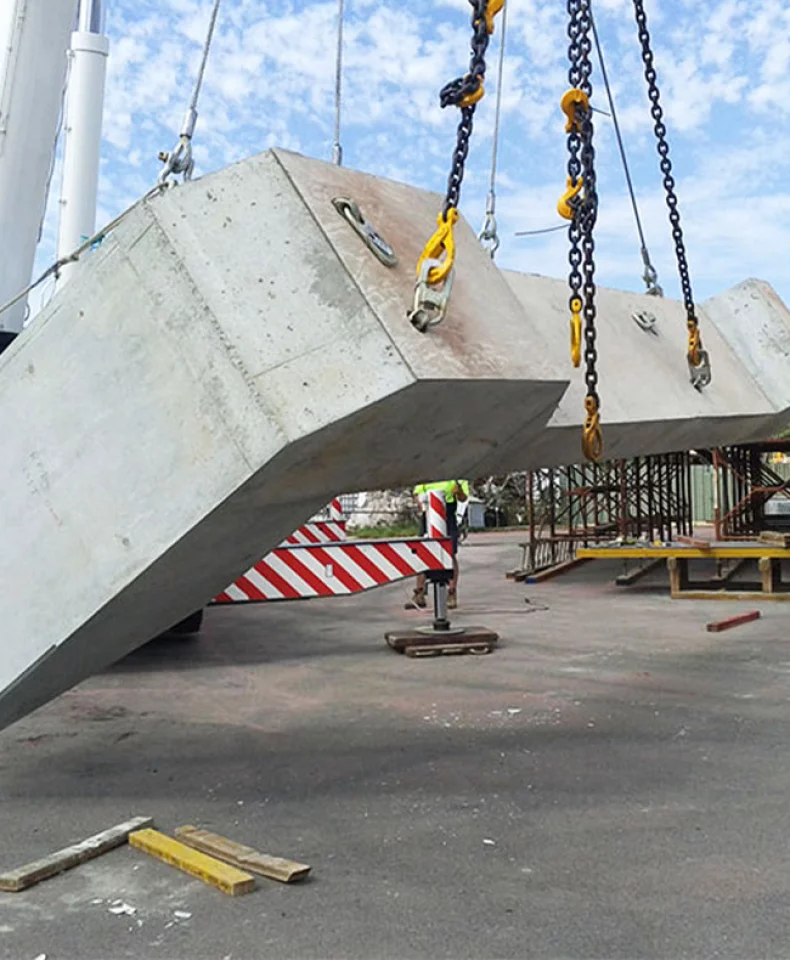
In modern precast concrete construction, lifting anchors are not just accessories — they are engineered safety components. Every wall panel, beam, slab, or structural module must be lifted, rotated, transported, and installed safely. The performance of a lifting anchor directly affects structural integrity, worker safety, and project efficiency.
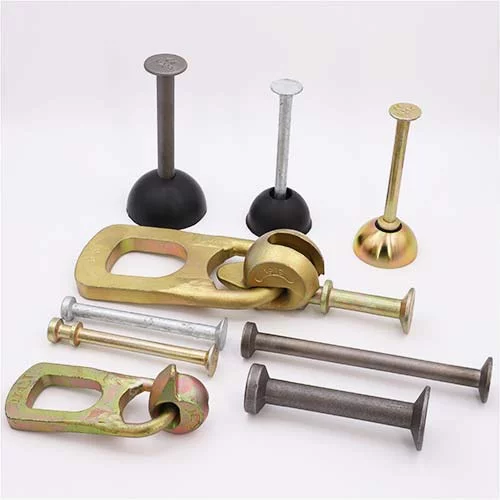
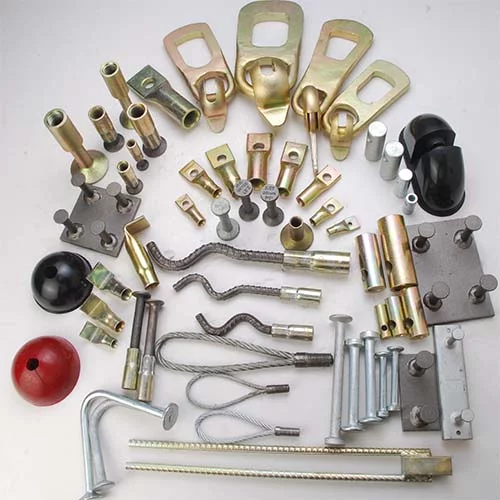
Among the many anchor systems available, four types are widely used in global precast projects:
Spherical Double Headed Lifting Anchor
Each anchor type has distinct structural characteristics, load behaviors, and application scenarios. Selecting the correct type requires understanding not only load capacity, but also stress distribution, lifting angle performance, installation complexity, and long-term safety compliance.
This article provides a detailed technical comparison to help engineers, contractors, and procurement managers make informed decisions.
Key Performance Criteria for Comparison
Before comparing the four anchor types, it is essential to define the main performance indicators:
1. Working Load Limit (WLL)
2. Load Distribution in Concrete
3. Angular Lifting Capacity
4. Concrete Strength Requirements
5. Installation Complexity
6. Cost Efficiency
7. Typical Application Range
These criteria form the basis of our technical evaluation.
Spherical Head Lifting Anchor
Structural Design
The spherical head lifting anchor features:
A forged steel body
A spherical head designed to engage with a lifting clutch
A shaft embedded into concrete
Reinforcement bars integrated for load transfer
The spherical head geometry allows secure connection with a matching clutch system, ensuring reliable engagement during lifting.
Load Distribution Mechanism
Load is transferred from the lifting clutch to the spherical head, then through the anchor shaft into the surrounding concrete. Reinforcement bars distribute tensile forces deeper into the structure, reducing stress concentration.
This design provides:
Uniform stress distribution
High pull-out resistance
Excellent performance under angled lifting conditions
Typical Load Range
Depending on size and design, WLL typically ranges from:
1.3T to 32T
In heavy-duty applications, even higher capacities are available
Applications
Structural wall panels
Beams and columns
Bridge segments
Heavy infrastructure components
Advantages
High load capacity
Strong angular lifting performance
Excellent compatibility with clutch systems
Widely accepted in European CE-compliant systems
Limitations
Requires compatible lifting clutch
Slightly higher initial hardware cost
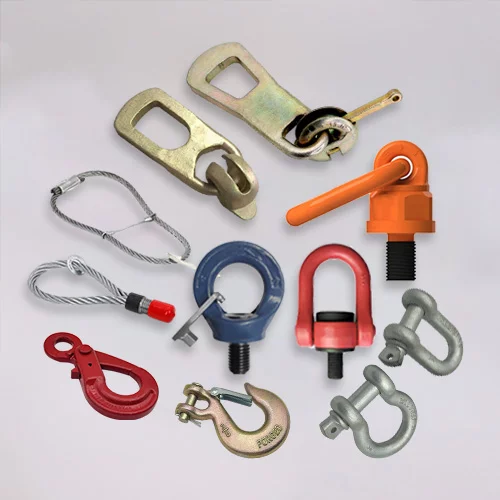
Lifting Eye Anchor
Structural Design
The lifting eye anchor includes:
An integrated lifting eye (loop)
A straight or slightly shaped anchor shaft
Simplified embedment structure
Unlike spherical head systems, this anchor allows direct connection to shackles or hooks.
Load Transfer Characteristics
Load is applied directly through the eye loop, transferring forces into the shaft and surrounding concrete. Stress concentration is typically higher near the eye section compared to spherical systems.
Typical Load Range
Usually suitable for:
0.5T to 10T applications
Higher capacities are possible but less common in heavy infrastructure.
Applications
Lightweight precast panels
Architectural components
Small structural elements
Temporary lifting tasks
Advantages
Simple installation
No clutch required
Cost-effective for small projects
Easy visual inspection
Limitations
Limited angular lifting capacity
Higher localized stress
Not ideal for extremely heavy loads
Spherical Double Headed Lifting Anchor
Structural Design
This anchor features:
Two spherical heads (top and bottom configuration)
Reinforced load transfer zones
Optimized geometry for flexibility
The double-head design allows load adjustment and multi-directional lifting adaptability.
Mechanical Behavior
Because of its dual-head configuration:
Load paths are more evenly distributed
Angular lifting performance improves
Concrete stress is reduced under rotation
This makes it particularly suitable for large and heavy precast elements that require repositioning during installation.
Typical Load Range
Common WLL range:
5T to 40T
Frequently used in heavy-duty and infrastructure projects
Applications
Large bridge girders
Tunnel segments
Heavy precast wall modules
Industrial structural elements
Advantages
Superior angular lifting capability
Enhanced load flexibility
Reduced stress concentration
Suitable for complex lifting sequences
Limitations
More complex manufacturing process
Higher cost
Requires precise installation planning
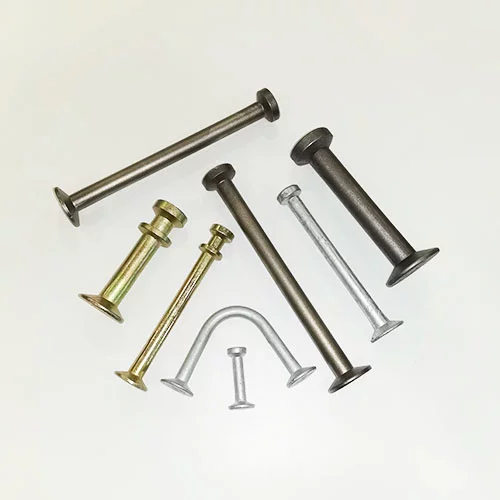
Utility Anchor
Structural Design
Utility anchors typically include:
Flat foot or plate base
Straight shaft
Reinforcement connection system
They are often designed for economical and medium-load applications.
Load Distribution
The foot plate distributes tensile forces over a broader area of concrete, improving pull-out resistance compared to simple straight anchors.
However, they do not provide the same clutch-based rotational flexibility as spherical systems.
Typical Load Range
Generally suitable for:
1T to 12.5T
Applications
Slabs
Thin wall panels
Medium-weight structural components
Projects requiring cost control
Advantages
Cost-effective
Reliable load transfer
Simple reinforcement coordination
Good performance in straight lifting
Limitations
Limited angular lifting capability
Less adaptable than spherical systems
Side-by-Side Technical Comparison
Below is a structured comparison for quick reference:
| Criteria | Spherical Head Anchor | Lifting Eye Anchor | Double Headed Anchor | Utility Anchor |
|---|---|---|---|---|
| Typical WLL | 1.3T–32T+ | 0.5T–10T | 5T–40T | 1T–12.5T |
| Angular Lifting | Excellent | Limited | Superior | Moderate |
| Stress Distribution | Even | Concentrated | Highly optimized | Distributed via foot |
| Clutch Required | Yes | No | Yes | Usually No |
| Installation Complexity | Moderate | Simple | Complex | Simple |
| Cost Level | Medium | Low | High | Low–Medium |
| Heavy Infrastructure | Yes | Rare | Ideal | Moderate |
| Thin Panels | Good | Very Good | Good | Good |
Engineering Selection Guidelines
Based on Load Requirements
For loads above 20T, spherical or double-headed systems are recommended.
For lightweight architectural panels, lifting eye anchors are often sufficient.
Based on Lifting Angle
If lifting involves tilting or rotation:
Spherical head systems perform significantly better.
Double-headed anchors provide maximum flexibility.
For strictly vertical lifting:
Utility anchors or lifting eye anchors may be adequate.
Based on Concrete Strength
Higher WLL systems require:
Proper concrete compressive strength
Correct embedment depth
Reinforcement coordination
Ignoring concrete strength can reduce safety margins by over 30%.
Based on Budget Constraints
Utility anchors offer balanced performance and cost efficiency.
Lifting eye anchors reduce accessory requirements.
Double-headed anchors, while expensive, reduce risk in complex projects.
Based on Safety and Compliance
Projects requiring CE compliance or strict European standards typically prefer spherical systems due to their standardized clutch interface and predictable load behavior.
Common Mistakes in Anchor Selection
1. Ignoring lifting angle impact
2. Underestimating dynamic load factors
3. Using anchors without proper reinforcement integration
4. Choosing lowest-cost option without structural analysis
Failing to match lifting anchor with certified lifting clutch
Incorrect selection can increase structural stress by 20–50%, significantly affecting safety.
Each lifting anchor type serves a distinct engineering purpose:
Spherical Head Anchors offer balanced strength and flexibility for most structural precast projects.
Lifting Eye Anchors provide economical solutions for lighter components.
Spherical Double Headed Anchors excel in heavy-duty and multi-directional lifting scenarios.
Utility Anchors deliver cost-efficient performance for medium-load applications.
There is no universal “best”lifting anchor — only the most appropriate anchor for a specific project condition.
Selecting the correct lifting anchor requires careful evaluation of load capacity, lifting geometry, concrete strength, safety standards, and project economics. When properly matched, these anchors ensure not only structural safety but also operational efficiency and long-term reliability.
Article Navigation
PRECAST CONCRETE ACCESSORIES
OTHER RELATED ARTICLE
Other Precast Concrete Accessories You Might Want to Know
You can click to learn more about HULK Metal precast concrete accessories such as lifting anchors, precast sockets, spread anchors, shuttering magnets, cast-in channels, wire loop boxes, and other precast concrete accessories you might want to know.