How to Use Bolt Anchor Lifting Sockets Safely and Efficiently in Precast Concrete?

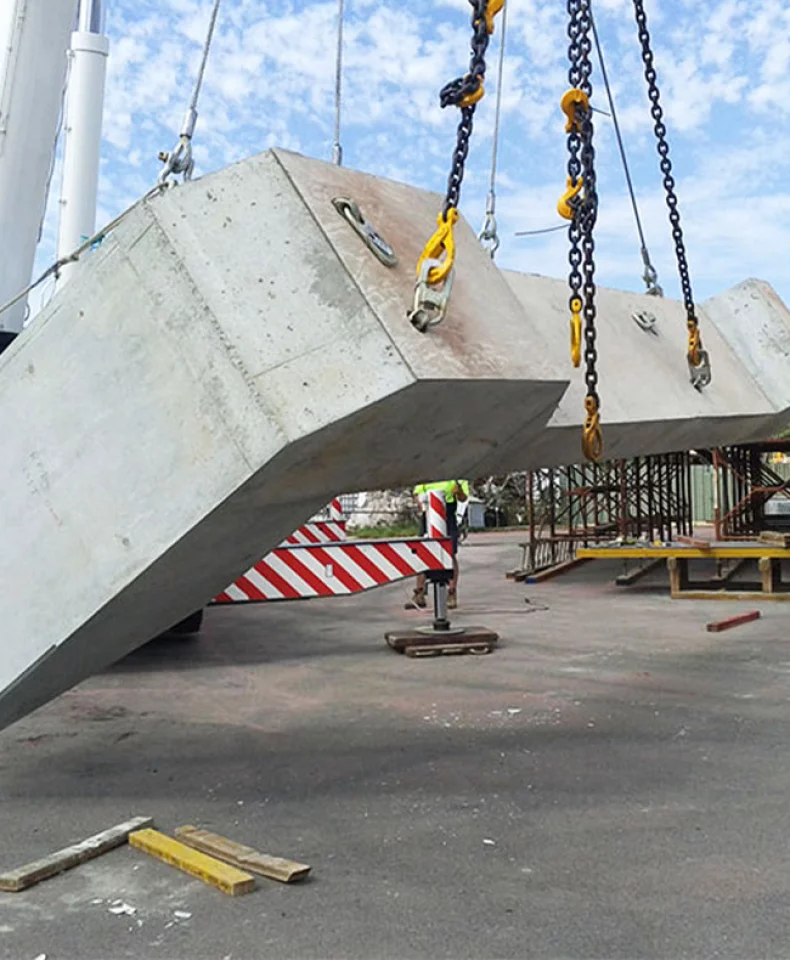
In modern precast concrete construction, lifting and handling heavy components safely is one of the most critical stages of the entire project. From wall panels and beams to slabs and custom structural elements, improper lifting methods can lead to costly damage, delays, and even serious safety risks.
This is where bolt anchor lifting sockets play a vital role. As a reliable and widely used lifting solution, they provide a secure connection point for lifting equipment, ensuring that precast elements can be transported, installed, and positioned with precision.
However, the performance of any lifting system depends not only on its design but also on how it is used. Incorrect installation or improper lifting practices can significantly reduce safety margins.
In this guide, you will learn how to use bolt anchor lifting sockets step by step, along with essential safety practices and expert tips to maximize efficiency and reliability in your projects.
Overview of Bolt Anchor Lifting Sockets
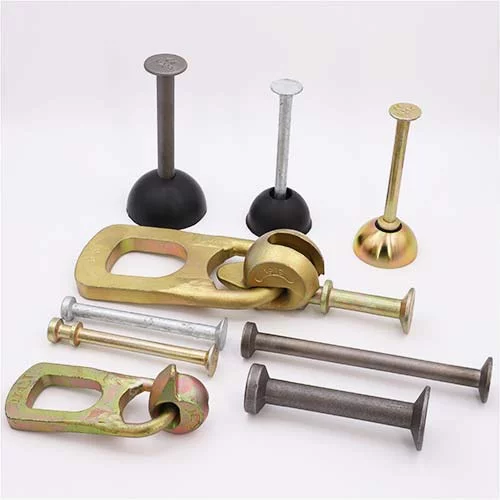
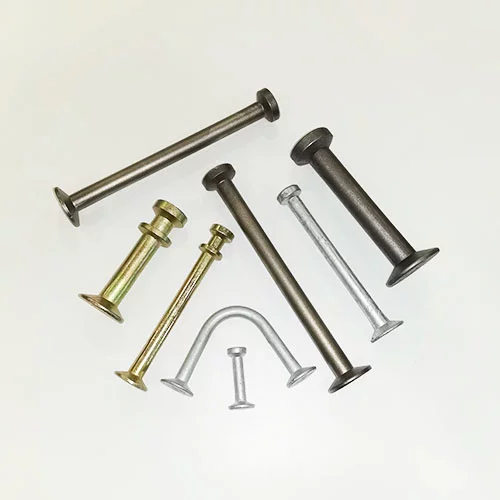
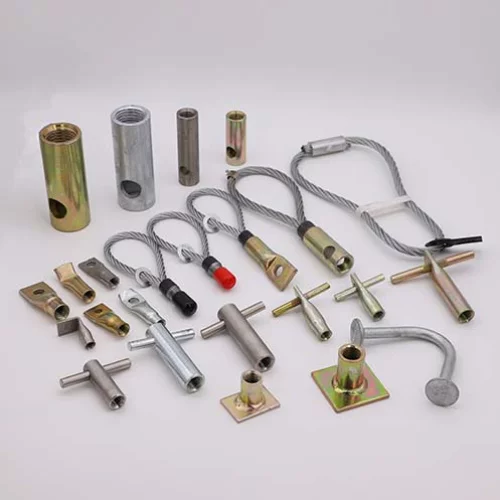
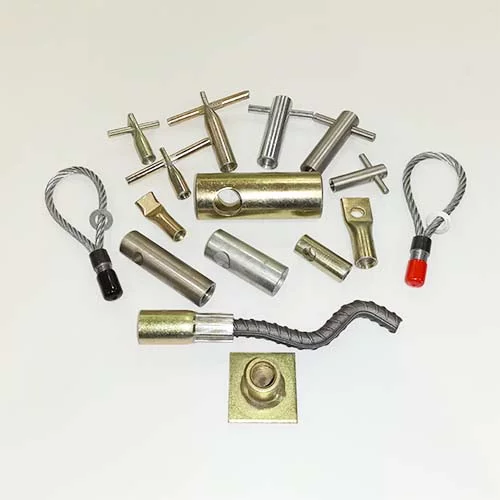
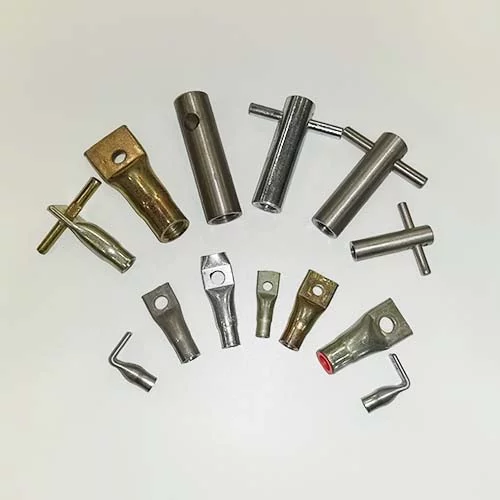
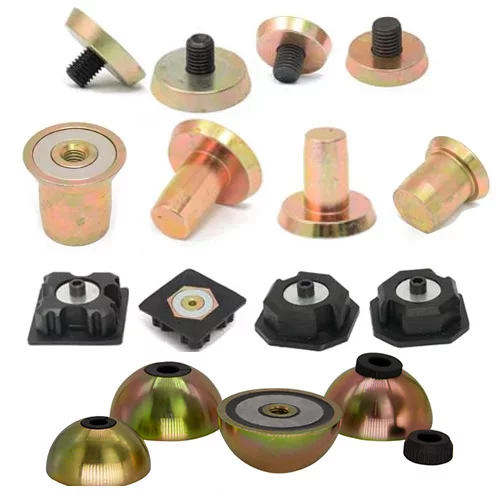
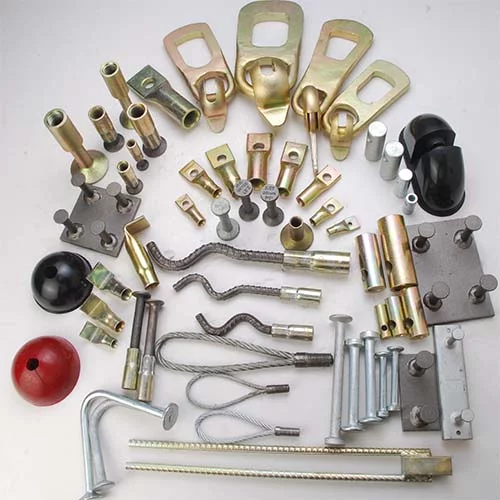
Bolt anchor lifting sockets are threaded inserts embedded into precast concrete elements, designed to allow lifting devices such as eye bolts or lifting loops to be securely attached.
Typically, they consist of:
A high-strength steel socket body
Internal threading for connection with lifting accessories
Optional reinforcement anchors for enhanced load transfer
These sockets are widely used in:
Precast wall panels
Concrete beams and columns
Floor slabs
Infrastructure components such as pipes and bridge elements
Compared to traditional lifting methods, threaded lifting sockets offer greater flexibility, reusability, and ease of installation, making them a preferred choice in modern construction projects.
Key Considerations Before Use
Before using bolt anchor lifting sockets, careful planning is essential. A well-prepared lifting strategy can improve efficiency by over 30% and significantly reduce the risk of failure.
Load Capacity Selection
Always select the appropriate socket based on the total weight of the concrete element.
Check the Working Load Limit (WLL)
Include a safety factor (typically 2.5–3x)
Consider dynamic loads during lifting
Using an undersized socket is one of the most common causes of lifting failure.
Positioning and Design
Proper positioning of lifting points ensures balanced lifting.
Distribute load evenly across multiple sockets
Avoid stress concentration
Ensure alignment with the center of gravity
Incorrect placement can result in tilting, cracking, or structural damage.
Inspection of Components
Before installation, inspect all components carefully:
Ensure threads are clean and undamaged
Check for cracks, corrosion, or deformation
Verify compatibility with lifting devices
A small defect can lead to significant safety risks during lifting.
How to Use Bolt Anchor Lifting Sockets
This section provides a practical, step-by-step process to ensure safe and efficient usage.
Fixing the Socket in the Formwork
The first step is to securely position the socket in the mold before pouring concrete.
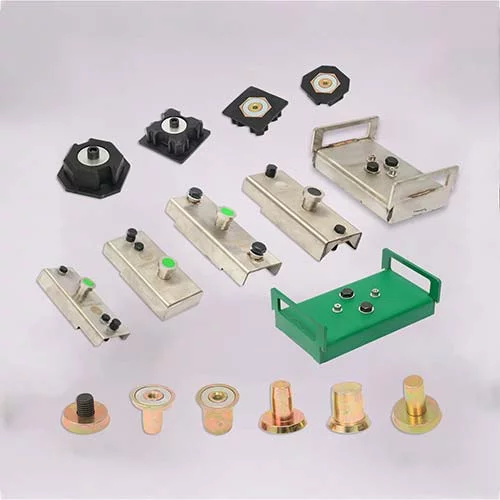
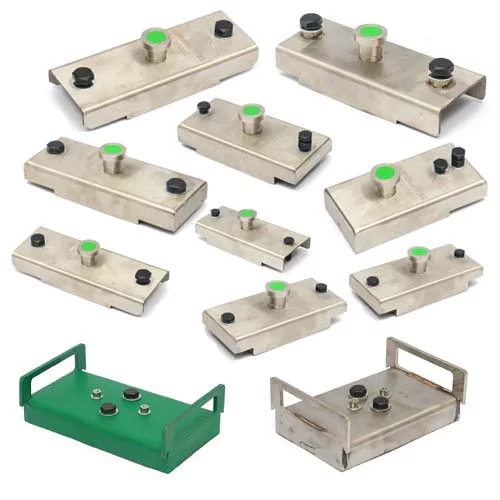
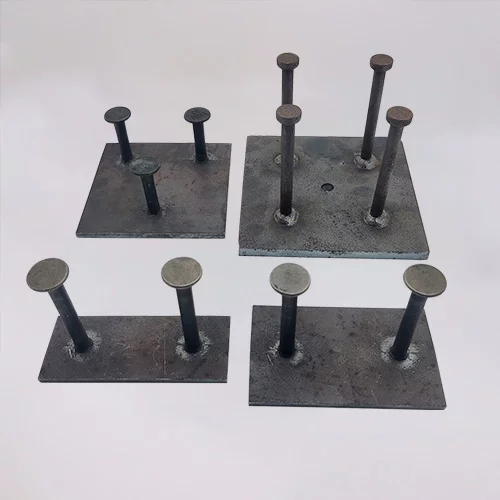
Fix the socket using a fixing plate or magnetic holder
Ensure the threaded opening is facing outward
Maintain proper alignment (usually perpendicular to the surface)
Accurate positioning at this stage determines the effectiveness of the entire lifting process.
Concrete Pouring and Protection
During concrete pouring, protecting the socket is crucial.
Insert a plastic plug to prevent concrete from entering the thread
Ensure the socket remains stable during vibration
Avoid displacement or tilting
Even minor misalignment can cause difficulty when attaching lifting equipment later.
Curing and Preparation for Lifting
After pouring, allow the concrete to cure properly.
Wait until the concrete reaches at least 75% of its design strength
Remove the protective plug
Clean the internal threads thoroughly
Attempting to lift too early can lead to anchor failure or concrete cracking.
Installing the Lifting Device
Once the element is ready, the lifting device can be attached.
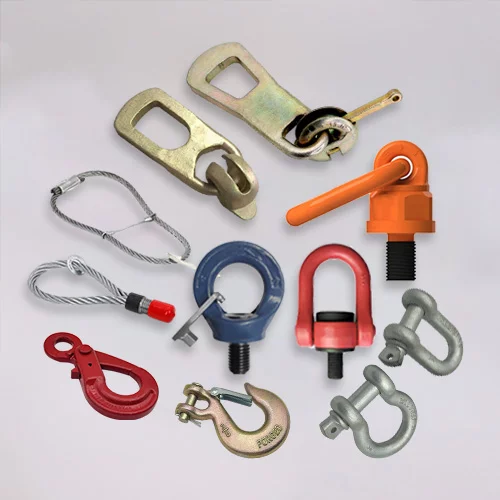
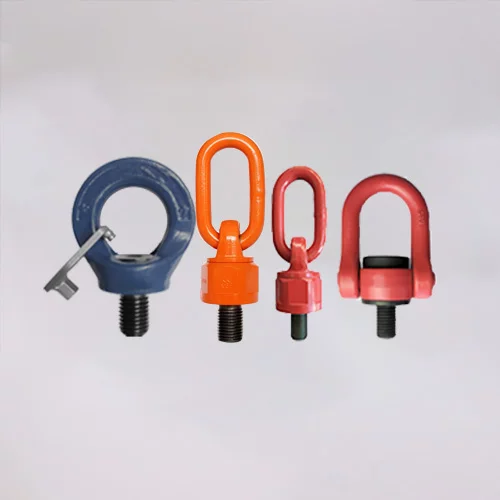
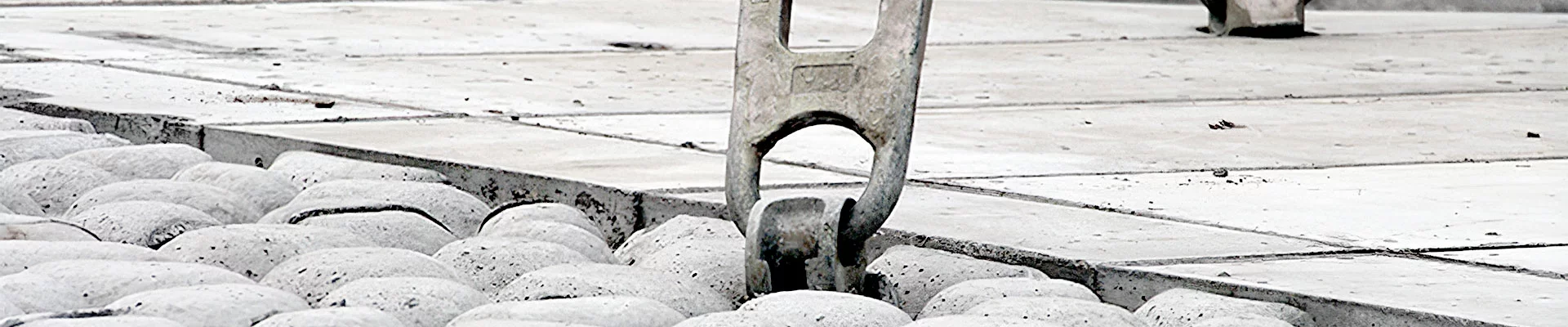
Use a compatible lifting eye bolt or lifting loop
Screw it fully into the socket
Ensure full thread engagement
Partial engagement is extremely dangerous and must be avoided at all times.
Lifting Operation
This is the most critical stage where proper handling is essential.
Keep lifting angles within safe limits (preferably ≤ 30°)
Avoid side loading, which can weaken the connection
Lift smoothly to prevent shock loads
Use synchronized lifting when multiple points are involved
A controlled lifting process ensures both safety and precision.
After Lifting
Once lifting and positioning are complete:
Remove the lifting device carefully
Inspect the socket for any damage
Clean and maintain threads for future use
Proper post-use care extends the lifespan of both the socket and lifting equipment.
Safety Guidelines and Best Practices
Safety should always be the top priority in any lifting operation.
Follow these essential guidelines:
Never exceed the rated load capacity
Avoid sudden movements or impact loads
Regularly inspect all lifting components
Ensure operators are properly trained
Follow international safety standards (EN / ISO)
According to industry data, over 60% of lifting-related incidents are caused by improper usage rather than equipment failure—highlighting the importance of correct procedures.
Common Mistakes to Avoid
Even experienced teams can make mistakes. Avoid these common issues:
Lifting before concrete reaches required strength
Using incompatible lifting accessories
Incomplete thread engagement
Poor lifting point design
Ignoring routine inspections
Eliminating these mistakes can dramatically improve both safety and efficiency.
Benefits of Using Bolt Anchor Lifting Sockets
When used correctly, bolt anchor lifting sockets offer significant advantages:
Improved efficiency – reduce installation time by up to 30%
Lower labor costs – simplified lifting process
Enhanced safety – secure and stable lifting points
Versatility – suitable for various precast elements
Reusability – cost-effective over multiple projects
These benefits make them an essential component in modern precast construction systems.
Why Choose HULK Metal as Your Supplier
Selecting the right supplier is just as important as choosing the right product. A reliable partner ensures consistent quality, timely delivery, and technical support.
Reliable Quality Control
HULK Metal implements strict quality control across every stage:
Raw material inspection
In-process monitoring
Final product testing
This ensures each lifting socket meets high performance and safety standards.
Strong Manufacturing Capability
With a well-established supply chain, HULK Metal provides:
Stable production capacity
Efficient order management
Consistent delivery timelines
This is especially critical for large-scale construction projects.
Customization Services
Every project is different. HULK Metal supports:
OEM and ODM services
Custom sizes and specifications
Application-based design optimization
This flexibility helps clients achieve better performance and cost efficiency.
Experienced Technical Team
HULK Metal’s engineering team provides:
Professional product selection guidance
Lifting solution optimization
Technical support throughout the project
This reduces risks and improves overall project outcomes.
Reliable After-Sales Support
To ensure customer satisfaction, HULK Metal offers:
Replacement for quality issues
Supplementary shipments if needed
Fast and responsive communication
This commitment builds long-term trust with global clients.
Bolt anchor lifting sockets are a critical component in precast concrete lifting systems, offering a reliable and efficient solution for handling heavy structural elements.
However, their performance depends heavily on proper usage—from correct installation and curing to safe lifting practices and post-use inspection.
By following the step-by-step guidelines outlined in this article, you can significantly improve lifting safety, operational efficiency, and project reliability.
For the best results, partnering with a trusted supplier like HULK Metal ensures that you not only get high-quality products but also the technical expertise and support needed to successfully complete your projects.
Article Navigation
PRECAST CONCRETE ACCESSORIES
OTHER RELATED ARTICLE
- 1.How to Choose High-Quality Shuttering Magnetic Products and Suppliers Guide
- 2.Applications and advantages of swivel hoist rings: HULK Metal provides you with safer and more flexible lifting solutions
- 3.Lifting Clutch VS Lifting Ring Clutch:Definition, Working Principle, Application Scenarios, and Selection Guide
- 4.An In-Depth Guide to Erection Anchors, Single-Hole Spread Anchors and Two-Hole Spread Anchors
- 5.Application and Significance of Lifting Anchors in Precast Concrete Accessories
Other Precast Concrete Accessories You Might Want to Know
You can click to learn more about HULK Metal precast concrete accessories such as lifting anchors, precast sockets, spread anchors, shuttering magnets, cast-in channels, wire loop boxes, and other precast concrete accessories you might want to know.