

Precast Concrete Fixing System: Enhancing Structural Integrity and Installation Efficiency

Precast concrete has become a cornerstone of modern construction, offering superior quality control, faster project timelines, and reduced on-site labor. It is widely used in residential, commercial, and infrastructure projects due to its consistency and scalability.
However, the effectiveness of precast construction depends not only on the quality of the concrete elements but also on how securely they are connected. This is where precast concrete fixing systems play a vital role. These systems ensure that individual components are properly joined, allowing the structure to perform as a unified whole under various load conditions.
A well-designed fixing system contributes directly to structural safety, installation efficiency, and long-term durability, making it an essential part of any precast project.
Understanding Precast Concrete Fixing Systems
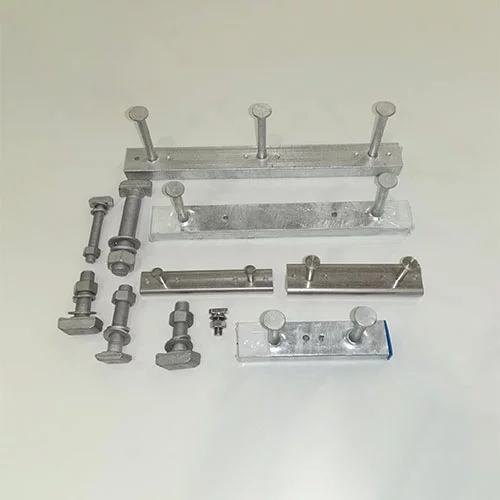
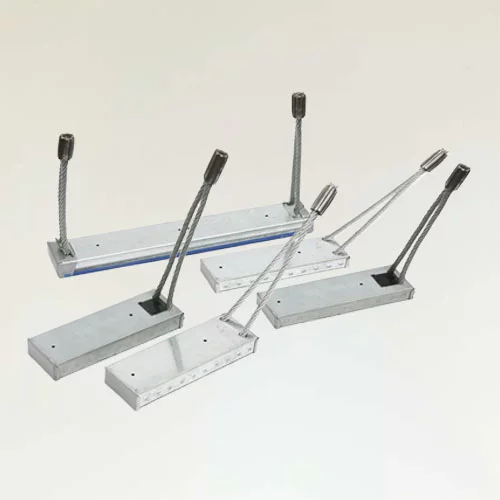
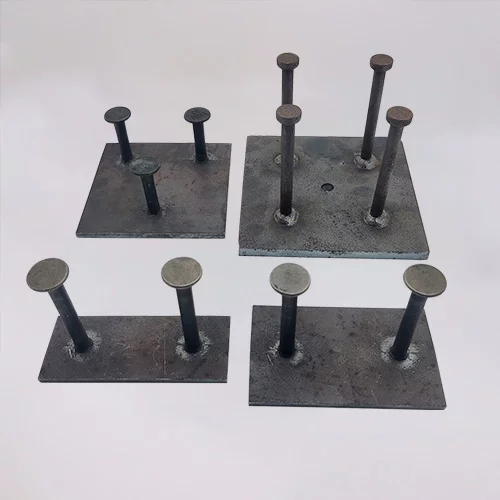
A precast concrete fixing system consists of embedded components and mechanical fasteners designed to connect precast elements to each other or to supporting structures. These systems are typically installed during the casting stage and used during on-site assembly to achieve secure and precise connections.
Unlike temporary lifting systems, fixing systems are intended to remain in place throughout the service life of the structure. They are engineered to handle various forces, including tension, shear, and combined loads, ensuring stable performance under real-world conditions.
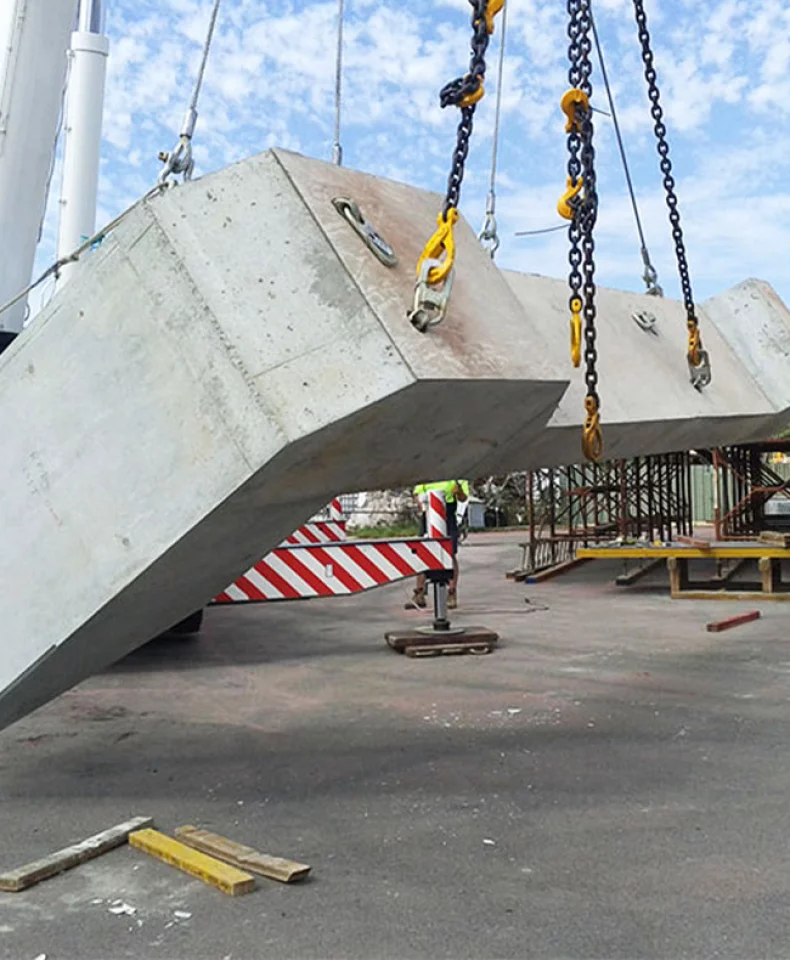
Common applications include wall panel installation, beam-to-column connections, facade attachment, and structural reinforcement.
Core Components of a Fixing System
A complete precast fixing system relies on several key components working together:
Embedded Fixing Elements
These components are cast directly into the concrete. They serve as the primary interface for connecting structural elements and must be accurately positioned to ensure alignment during installation.
Threaded Connection Interfaces
Fixing sockets and similar elements provide threaded openings for bolts or rods, enabling secure mechanical fastening.
Fastening Hardware
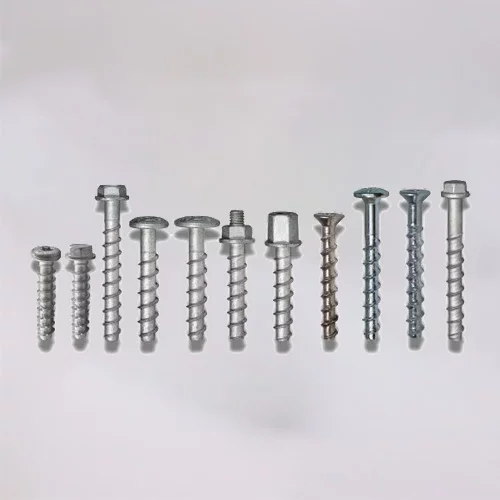
Bolts, threaded rods, nuts, and washers are used to complete the connection. These components must be compatible with embedded elements and capable of withstanding the required loads.
Reinforcement Integration
Proper integration with reinforcement ensures that loads are effectively transferred into the concrete, reducing stress concentration and improving overall durability.
Types of Precast Concrete Fixing Systems
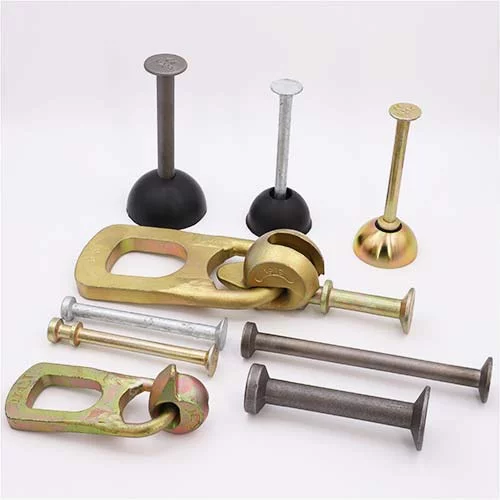
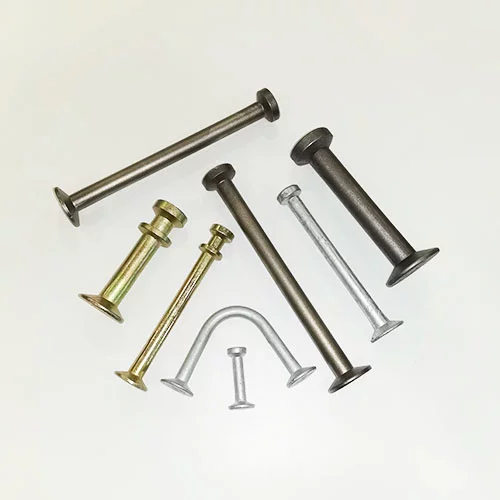
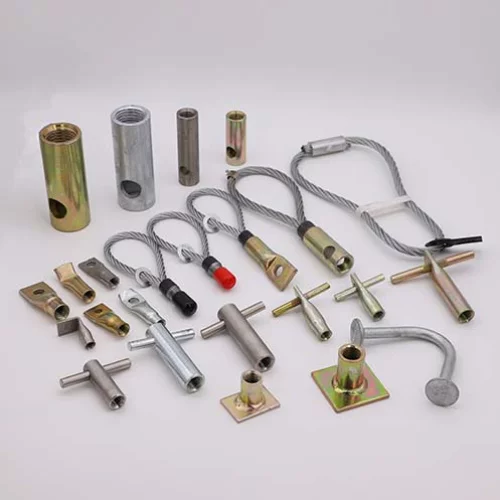
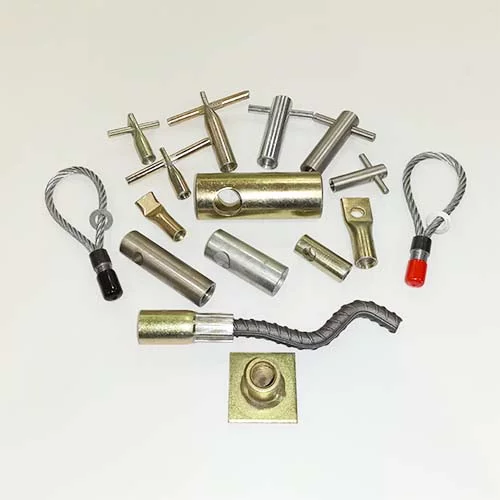
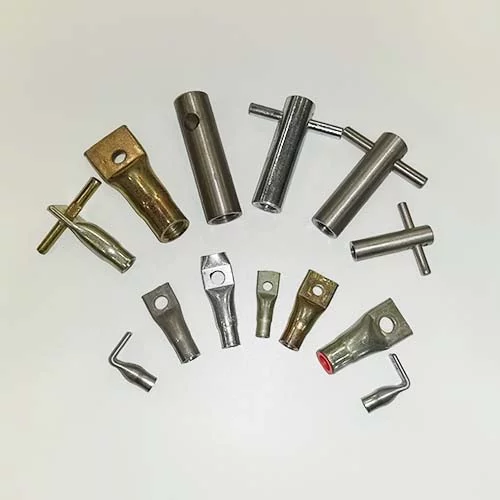
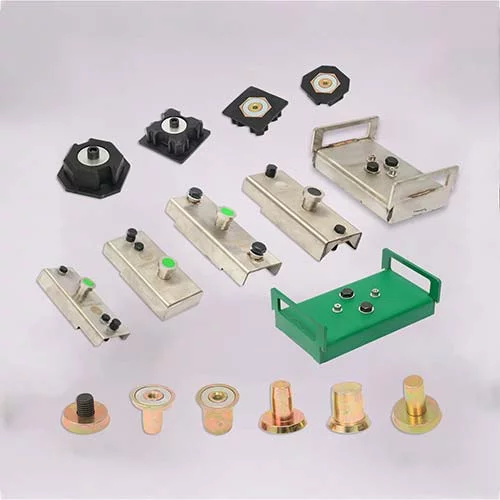
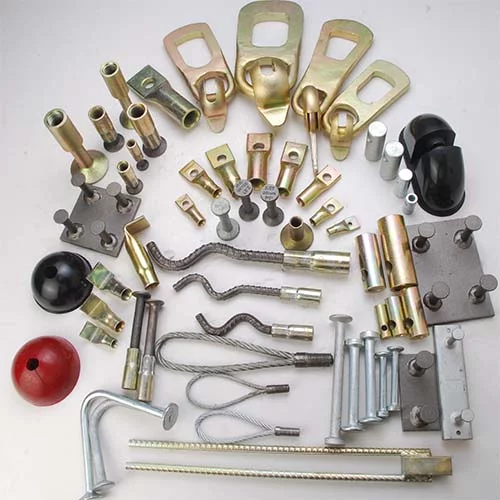
Fixing Sockets
Fixing sockets are among the most widely used solutions in precast construction. They are embedded into concrete and provide a reliable threaded connection point.
Typical variations include:
Flat end designs for standard applications
Versions with cross pins for enhanced anchorage
Solid rod configurations for higher load requirements
These options allow engineers to select the most suitable solution based on project-specific demands.
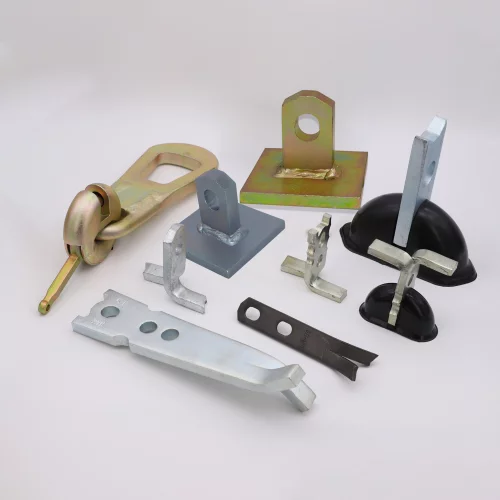
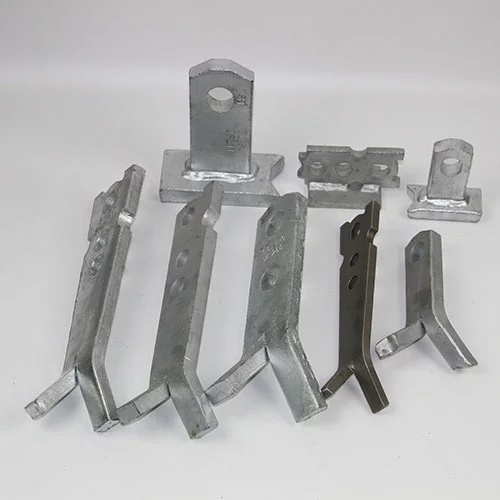
Anchor-Based Systems
Anchor systems are designed to distribute loads deeper into the concrete. They are particularly effective in high-load or safety-critical applications where enhanced performance is required.
Compared to standard sockets, anchor systems often provide improved resistance to pull-out forces and better load distribution under complex stress conditions.
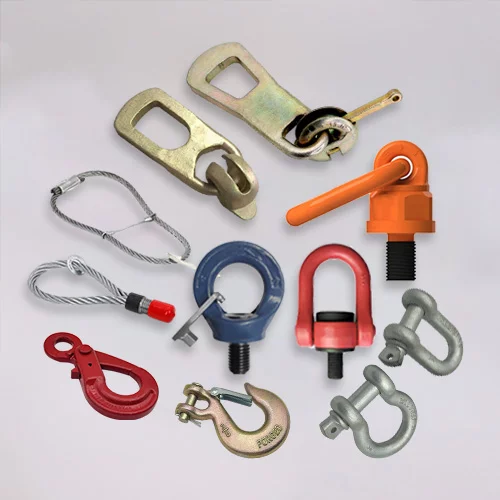
Connection Accessories
Accessories play a supporting but essential role in fixing systems. High-strength bolts and threaded rods must meet strict mechanical requirements, while surface treatments such as galvanization improve corrosion resistance in challenging environments.
Installation Process and Working Principle
The performance of a fixing system depends heavily on proper installation and alignment.
Embedding During Production
Fixing components are placed within the mold before concrete pouring. Precision at this stage is critical, as incorrect positioning can lead to installation issues later.
On-Site Alignment
Once transported to the construction site, precast elements are positioned according to design specifications. Accurate alignment ensures that connections can be made efficiently.
Mechanical Fastening
Fastening hardware is inserted into the embedded components and tightened to secure the connection. Proper torque application is essential to achieve the desired load capacity.
Load Transfer Mechanism
Fixing systems are engineered to handle multiple types of forces:
Tension forces caused by pulling loads
Shear forces resulting from lateral movement
Combined forces encountered in real-world applications
Effective load transfer minimizes stress concentration and prevents structural failure.
Advantages of Precast Fixing Systems
Improved Construction Efficiency
Pre-installed fixing components significantly reduce on-site labor and installation time. This can accelerate project completion and improve overall productivity.
Enhanced Structural Reliability
Engineered connections ensure consistent performance, even under demanding load conditions.
Increased Safety
By minimizing the need for on-site modifications such as drilling or welding, fixing systems reduce potential safety risks.
Cost Optimization
Reduced labor requirements and faster installation translate into lower overall project costs.
Design Flexibility
A wide range of fixing solutions allows engineers to adapt to different structural configurations and requirements.
Application Areas
Precast concrete fixing systems are used across a variety of construction scenarios:
Wall Panel Connections: Ensuring stability and alignment of vertical elements
Beam-to-Column Joints: Providing strong and reliable structural connections
Facade Installation: Supporting architectural panels and cladding systems
Infrastructure Projects: Including bridges, tunnels, and transportation facilities
Industrial Buildings: Warehouses, factories, and large-scale commercial structures
Their versatility makes them an indispensable solution in modern construction.
Key Selection Considerations
Choosing the appropriate fixing system requires a thorough understanding of project requirements:
Load Capacity
The system must be capable of handling expected loads with an adequate safety margin.
Concrete Properties
Concrete strength and thickness influence the design and performance of fixing components.
Environmental Conditions
Exposure to moisture, chemicals, or extreme temperatures requires enhanced corrosion protection.
System Compatibility
All components must work seamlessly together to ensure reliable performance.
Regulatory Compliance
Adherence to international standards is essential for safety and quality assurance.
Common Challenges and Best Practices
Improper use of fixing systems can lead to performance issues. Common challenges include:
Incorrect component selection
Misalignment during embedding
Overloading beyond design limits
Inadequate installation practices
To avoid these issues, it is important to:
Follow engineering guidelines strictly
Use certified, high-quality components
Conduct thorough inspections during each stage of the process
Quality Control and Testing
Quality assurance is critical to ensuring the reliability of precast fixing systems.
Material Verification
Raw materials must meet specified mechanical properties to ensure durability and strength.
Performance Testing
Load testing validates the system’s ability to withstand real-world conditions.
Dimensional Accuracy
Precise manufacturing ensures proper fit and alignment during installation.
Traceability and Certification
Reliable documentation and certification provide confidence in product quality and compliance.
Industry Trends and Future Development
The construction industry is evolving rapidly, and fixing systems are advancing accordingly.
Increased adoption of modular construction methods
Development of high-strength, lightweight materials
Growing demand for adjustable and reusable connection systems
Greater emphasis on sustainability and reduced environmental impact
These trends highlight the importance of innovation in fixing system design and manufacturing.
Choosing a Reliable Supplier
The success of a precast fixing system depends not only on design but also on manufacturing expertise and quality consistency. A professional supplier should offer:
Stable and scalable production capabilities
Strict quality control processes
Customization based on project specifications
Technical support throughout the project lifecycle
Working with an experienced partner ensures that every component meets performance expectations.
HULK Metal: Your Trusted Partner for Fixing Systems
For projects that demand reliability and precision, selecting the right supplier is essential. HULK Metal provides comprehensive solutions for precast concrete fixing systems, supported by a complete supply chain that covers raw materials, production, inspection, packaging, and delivery.
With strong technical expertise and strict quality control standards, HULK Metal delivers components that meet demanding construction requirements. The ability to customize products based on drawings and application needs further ensures optimal performance in diverse scenarios.
Precast concrete fixing systems are fundamental to achieving safe, efficient, and durable construction. They enable secure connections between structural elements, ensuring that precast components function as a cohesive system.
By understanding system design, selecting appropriate components, and working with a reliable supplier, construction professionals can significantly improve project outcomes. High-quality fixing solutions not only enhance structural performance but also contribute to faster installation and long-term reliability.
Investing in the right fixing system is, ultimately, an investment in the success of the entire project.
Article Navigation
PRECAST CONCRETE ACCESSORIES
OTHER RELATED ARTICLE
- 1.How to Choose High-Quality Shuttering Magnetic Products and Suppliers Guide
- 2.Applications and advantages of swivel hoist rings: HULK Metal provides you with safer and more flexible lifting solutions
- 3.Lifting Clutch VS Lifting Ring Clutch:Definition, Working Principle, Application Scenarios, and Selection Guide
- 4.An In-Depth Guide to Erection Anchors, Single-Hole Spread Anchors and Two-Hole Spread Anchors
- 5.Application and Significance of Lifting Anchors in Precast Concrete Accessories
Other Precast Concrete Accessories You Might Want to Know
You can click to learn more about HULK Metal precast concrete accessories such as lifting anchors, precast sockets, spread anchors, shuttering magnets, cast-in channels, wire loop boxes, and other precast concrete accessories you might want to know.