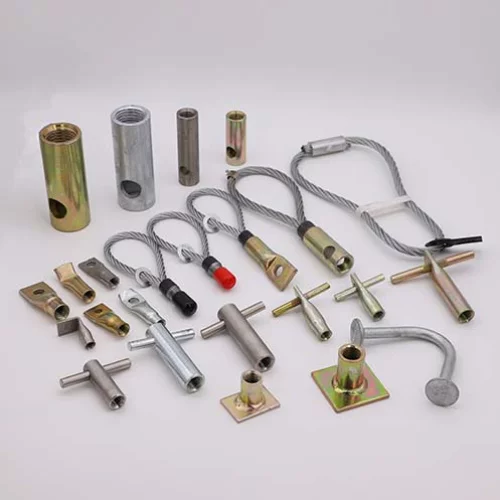
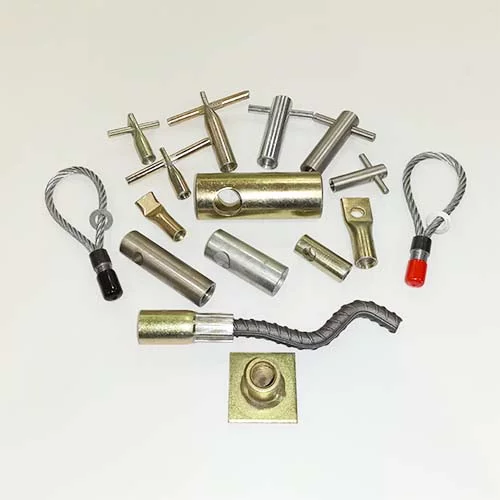
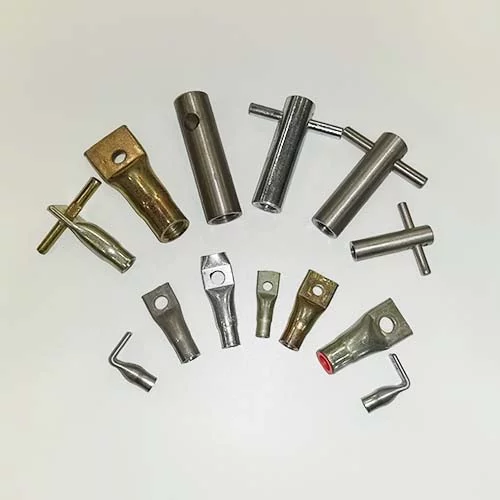
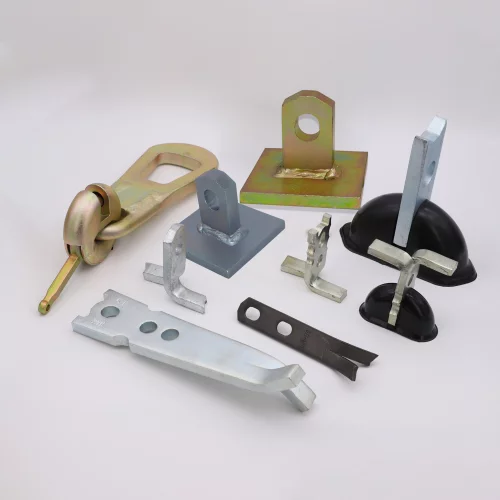
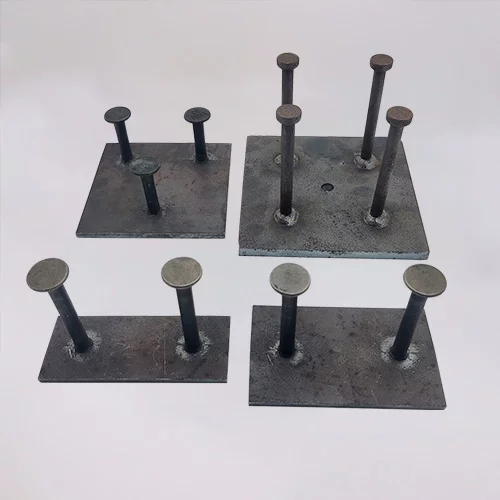

Safe, Simple and Efficient Flat Lifting System

In modern precast construction, lifting is no longer just a routine operation—it is a critical process that directly impacts project safety, efficiency, and overall cost. As construction projects become more complex and timelines tighter, contractors and engineers are increasingly looking for lifting solutions that are not only reliable but also easy to operate and highly efficient.
This is where the flat lifting system stands out.
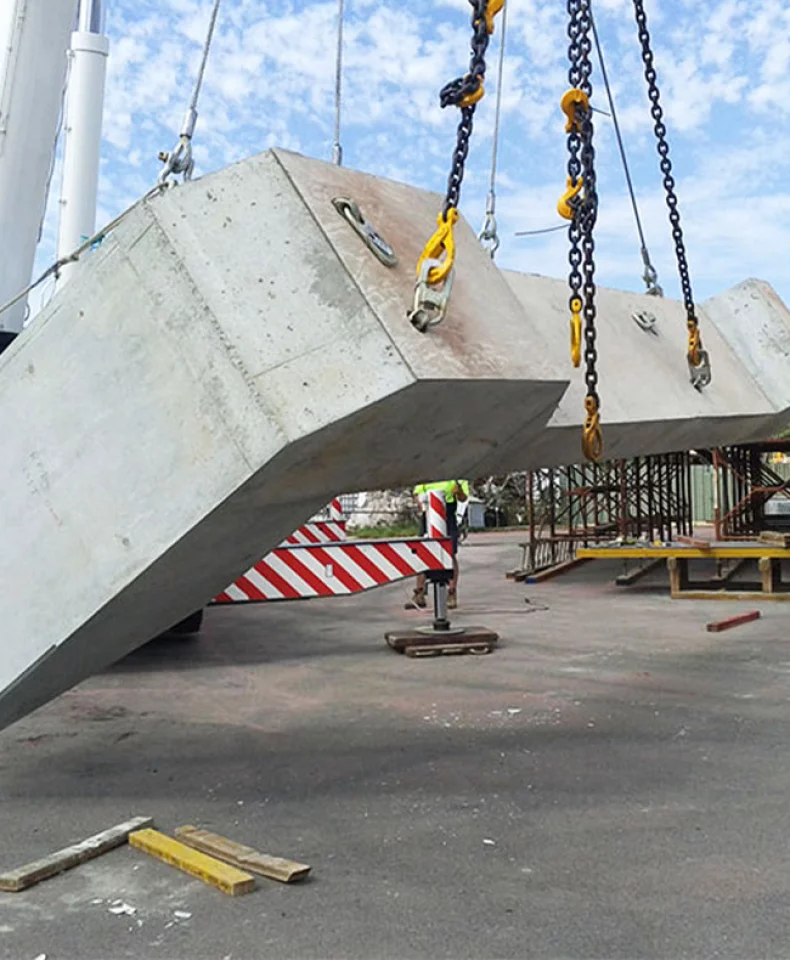
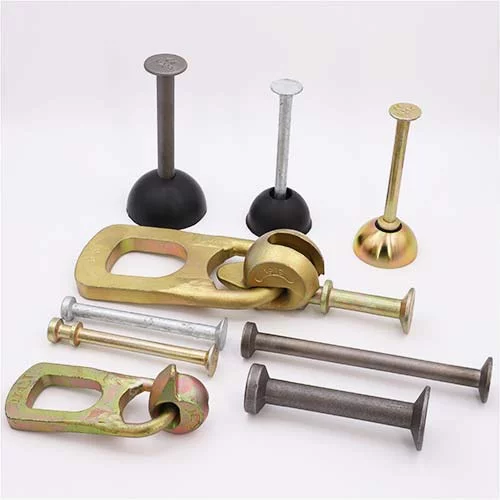
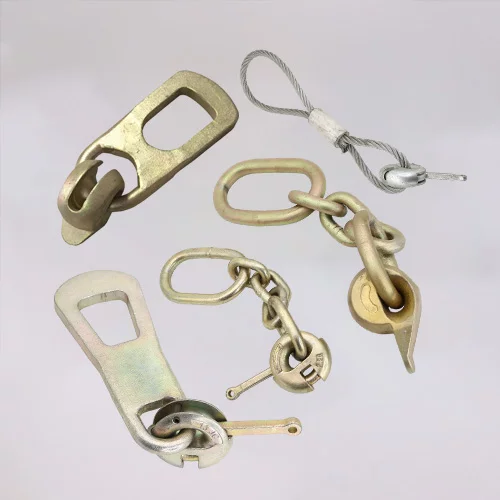
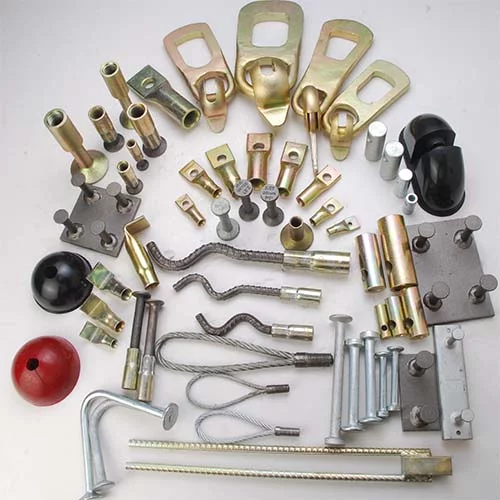
Designed specifically for precast concrete elements, the flat lifting system integrates three essential components—flat foot anchor, ring clutch, and rubber recess former—to create a seamless lifting solution. When used together correctly, these components deliver exceptional performance in terms of safety, speed, and operational simplicity.
In this guide, we’ll explore how this system works, why it is widely adopted across the construction industry, and how you can choose the right flat lifting anchor system supplier to maximize your project outcomes.
What Is a Flat Lifting System?
A flat lifting system is a specialized solution used to lift and transport precast concrete elements such as wall panels, slabs, and beams. Unlike traditional lifting methods that may rely on exposed hooks or loops, this system uses embedded anchors to create a cleaner, safer, and more efficient lifting point.
The defining characteristics of a flat lifting system include:
Embedded lifting anchors cast directly into the concrete
Quick-connect lifting devices for fast operation
Minimal surface disruption for better aesthetics and finishing
High load-bearing capacity with engineered safety factors
This system is widely used in:
Precast wall panel installation
Structural slab handling
Beam and column lifting
Modular construction projects
With increasing demand for precision and safety in construction, the flat lifting system has become a preferred choice for contractors worldwide.
Core Components of the Flat Lifting System
To fully understand the system’s efficiency, it’s essential to look at its three key components and their respective roles.
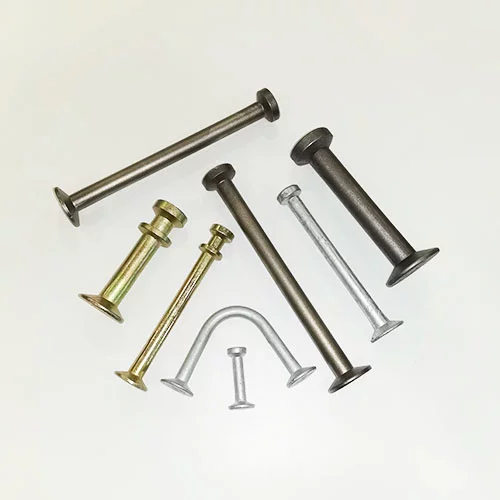
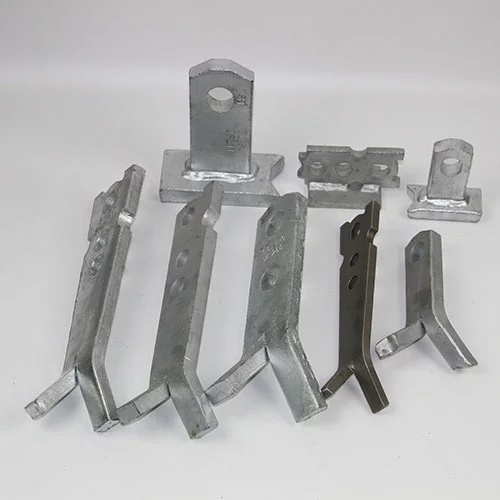
flat foot anchor: The Foundation of the System
The flat foot anchor is the core load-bearing component of the entire system. It is permanently embedded into the concrete during the casting process and serves as the primary connection point for lifting operations.
Key Features:
Low-profile design for shallow embedment
Optimized geometry for even load distribution
High-strength steel construction for durability
Compatibility with ring clutch systems
Function in the System:
Once the concrete is poured and cured, the flat foot anchor becomes an integral part of the structure. During lifting, it transfers the load from the concrete element directly to the lifting device.
Why It Matters:
A properly designed flat foot anchor ensures:
Reduced stress concentration within the concrete
Higher lifting safety margins
Reliable performance under heavy loads
For contractors sourcing components, choosing a certified flat lifting anchor system supplier is crucial to ensure consistent quality and compliance with international standards.
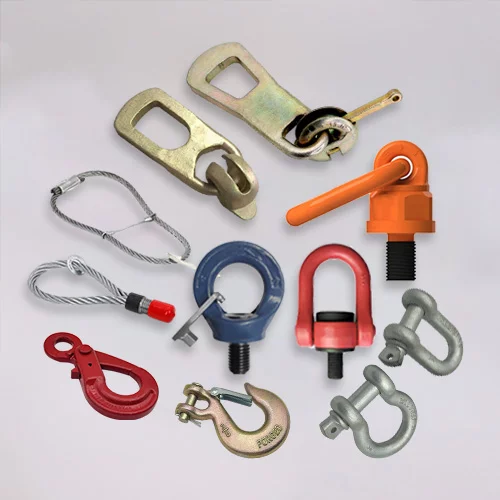
Ring Clutch: The Flexible Lifting Connector
The ring clutch is the detachable component that connects the crane hook to the embedded flat foot anchor. It plays a vital role in enabling safe and flexible lifting operations.
Key Features:
Rotatable lifting ring for multi-directional lifting
Quick locking mechanism for fast engagement
Heavy-duty construction for repeated use
Clear load rating markings for safety compliance
Function in the System:
The ring clutch is inserted into the exposed head of the flat foot anchor after the concrete has cured. Once locked into place, it creates a secure lifting connection between the crane and the concrete element.
Advantages:
Allows angular lifting, reducing stress on the anchor
Enables fast attachment and release, improving efficiency
Fully reusable, reducing long-term costs
In high-volume precast operations, the efficiency gains from using a reliable ring clutch can reduce lifting cycle times by up to 30%, significantly improving productivity.
Rubber Recess Former: Precision and Protection
Often overlooked but critically important, the rubber recess former ensures the proper positioning and accessibility of the flat foot anchor.
Key Features:
Flexible rubber material for easy demolding
Accurate anchor positioning during casting
Reusable design for cost efficiency
Protective function for anchor heads
Function in the System:
The rubber recess former is attached to the formwork before concrete pouring. It holds the flat foot anchor in the correct position and creates a recess in the concrete surface.
After curing, the recess former is removed, leaving a clean cavity that allows easy access for the ring clutch.
Why It’s Essential:
Ensures precise alignment of lifting points
Prevents concrete contamination of the anchor head
Improves installation speed on-site
Without a properly designed recess former, even the best anchors and clutches cannot perform efficiently.
How the Three Components Work Together
The real strength of the flat lifting system lies in the seamless integration of these three components. Let’s break down the process step by step.
Step 1: Pre-Installation Setup
The rubber recess former is fixed onto the formwork
The flat foot anchor is securely positioned within the recess former
Alignment is checked to ensure correct load distribution
This step is critical because even minor misalignment can affect lifting performance.
Step 2: Concrete Pouring and Curing
Concrete is poured into the mold
The flat foot anchor becomes embedded within the structure
The recess former creates a clean access cavity
After curing, the recess former is removed, exposing the anchor head.
Step 3: Ring Clutch Engagement
The ring clutch is inserted into the exposed anchor
The locking mechanism is engaged
A safety check is performed before lifting
This process typically takes only a few seconds, significantly reducing preparation time.
Step 4: Lifting Operation
Load is transferred from:
Concrete Element → flat foot anchor → Ring Clutch → Crane Hook
The rotatable ring allows adjustment to lifting angles
The element is lifted smoothly and safely
This integrated load path ensures maximum stability during lifting.
Step 5: Release and Reuse
After placement, the ring clutch is easily removed
The recess remains minimal and can be patched if needed
The ring clutch and recess former are reused for future operations
This repeatability makes the system highly cost-effective.
Key Advantages of the Flat Lifting System
Superior Safety Performance
Safety is the top priority in any lifting operation. The flat lifting system provides:
Engineered load capacities
Secure mechanical locking
Reduced risk of accidental detachment
Compared to traditional lifting methods, this system significantly lowers the risk of failure.
Simple and Fast Operation
Ease of use is a major advantage:
Quick installation and removal
Minimal training required
Reduced labor intensity
On busy construction sites, simplicity directly translates into efficiency.
High Efficiency and Productivity
Time savings are substantial:
Faster lifting cycles
Reduced downtime
Improved workflow coordination
Studies in precast projects show that optimized lifting systems can improve overall installation efficiency by 20%–35%.
Cost-Effective Solution
While the flat foot anchor is embedded, other components are reusable:
Ring clutch: reusable for hundreds of cycles
Rubber recess former: long service life
This reduces operational costs over time, making it a smart investment.
Clean and Professional Finish
Because the anchor is embedded and recessed:
Minimal surface damage
Better aesthetic results
Easier post-installation finishing
This is especially important for architectural precast elements.
Typical Applications in Construction
The flat lifting system is widely used in:
Precast concrete wall panels
Floor slabs and decking systems
Structural beams and columns
Bridge components
Modular building units
Its versatility makes it suitable for both small-scale and large infrastructure projects.
Best Practices for Optimal Performance
To maximize the benefits of the system:
Always match the load capacity of the ring clutch and flat foot anchor
Ensure accurate positioning of the recess former
Conduct pre-lift inspections
Follow recommended lifting angles and safety factors
Working with an experienced flat lifting anchor system supplier can help ensure that all components meet project-specific requirements.
Why Choosing the Right Supplier Matters
Not all lifting systems are created equal. The performance of your system depends heavily on:
Material quality
Manufacturing precision
Quality control standards
Engineering support
A reliable supplier doesn’t just provide products—they provide complete lifting solutions tailored to your project.
Partner with HULK Metal for Reliable Lifting Solutions
If you are looking for a dependable flat lifting anchor system supplier, HULK Metal offers a comprehensive solution backed by extensive industry experience.
HULK Metal provides:
Full range of precast lifting systems, including flat foot anchors, ring clutches, and rubber recess formers
Strict quality control throughout the production process
Custom manufacturing based on your drawings and specifications
Integrated supply chain covering raw materials, production, inspection, packaging, and logistics
Professional service teams ensuring smooth communication and fast response
Whether you are handling standard precast elements or complex custom projects, HULK Metal ensures that every component meets the highest standards of safety and performance.
The flat lifting system represents a modern approach to precast concrete handling—combining safety, simplicity, and efficiency into one integrated solution.
By understanding how the flat foot anchor, ring clutch, and rubber recess former work together, contractors can significantly improve lifting operations, reduce risks, and optimize project timelines.
Choosing the right system—and the right supplier—can make all the difference.
If you’re ready to upgrade your lifting operations, now is the time to invest in a solution that delivers both performance and reliability.
Article Navigation
PRECAST CONCRETE ACCESSORIES
OTHER RELATED ARTICLE
- 1.How Efficient Precast Accessories Improve Construction Productivity?
- 2.How to Choose High-Quality Shuttering Magnetic Products and Suppliers Guide
- 3.Applications and advantages of swivel hoist rings: HULK Metal provides you with safer and more flexible lifting solutions
- 4.Lifting Clutch VS Lifting Ring Clutch:Definition, Working Principle, Application Scenarios, and Selection Guide
- 5.An In-Depth Guide to Erection Anchors, Single-Hole Spread Anchors and Two-Hole Spread Anchors
Other Precast Concrete Accessories You Might Want to Know
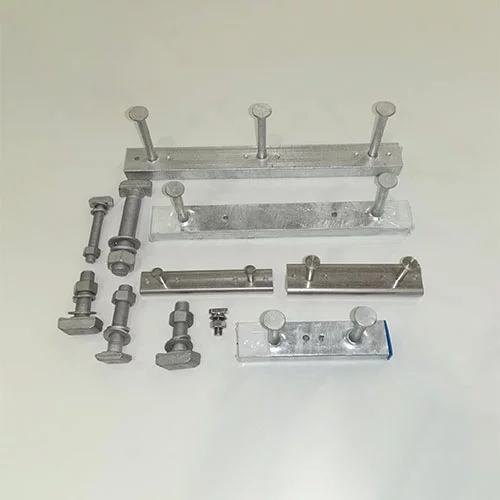
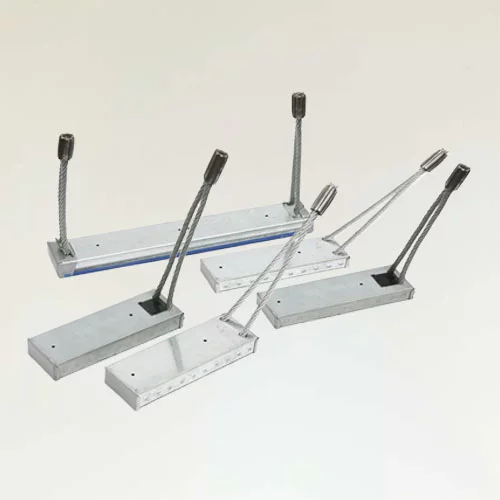
You can click to learn more about HULK Metal precast concrete accessories such as lifting anchors, precast sockets, spread anchors, shuttering magnets, cast-in channels, wire loop boxes, and other precast concrete accessories you might want to know.