
How to Use Wire Loop Box in Precast Concrete Construction?
In modern precast concrete construction, efficiency and structural reliability are no longer optional—they are essential. As projects move toward industrialized building methods, connection systems between precast elements play a decisive role in overall performance. Among these systems, the wire loop box has become a widely adopted solution for connecting concrete panels quickly and securely.
Wire loop boxes are designed to simplify on-site installation while maintaining high structural integrity. Compared to traditional connection methods, they reduce labor time by up to 30%, minimize alignment errors, and ensure consistent load transfer between elements.
This guide provides a comprehensive explanation of wire loop box types and detailed instructions on how to use them effectively in real-world applications.
Types of Wire Loop Boxes

Wire loop boxes are typically classified into two main types based on their structural configuration and load capacity.
Single Wire Loop Box
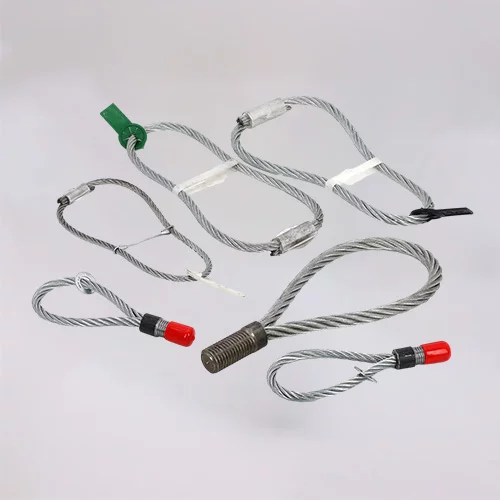
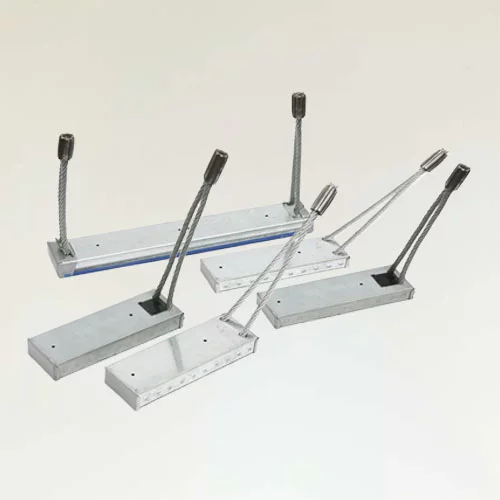
A single wire loop box contains one high-strength steel wire loop housed within a galvanized steel casing. The loop is designed to be pulled out during installation and connected with reinforcement bars.
Key Features:
Compact and lightweight design
Suitable for standard wall panel connections
Easy to install and cost-efficient
Typical Applications:
Residential precast wall systems
Light to medium load-bearing structures
Non-critical structural joints
Advantages:
Faster installation process
Lower material cost
Reduced complexity on-site
Double Wire Loop Box

A double wire loop box features two integrated wire loops within a single unit. This design significantly enhances the load-bearing capacity and provides improved structural redundancy.
Key Features:
Dual-loop configuration for higher strength
Reinforced casing for durability
Optimized for heavy-duty applications
Typical Applications:
High-rise buildings
Infrastructure projects
Structural joints requiring higher tensile strength
Advantages:
Up to 50% higher load capacity compared to single loop systems
Improved safety margin
Better load distribution across connections
Components and Working Principle
A standard wire loop box consists of three primary components:
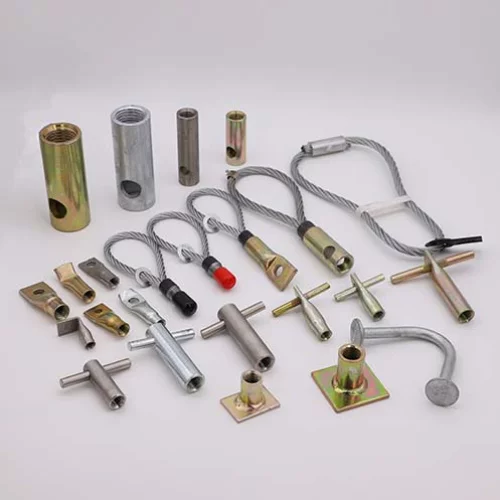
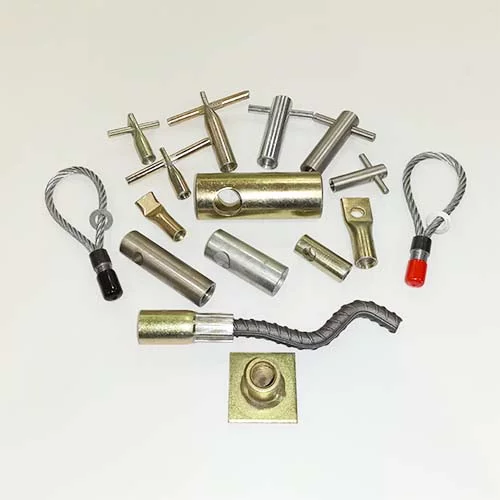
High-strength steel wire rope loop
Galvanized steel housing (box)
Protective cover or sealing tape
Working Principle
The wire loop box is embedded into precast concrete elements during casting. Once the concrete has cured and the elements are installed on-site:
1. The protective cover is removed
2. The wire loop is pulled out
3. Loops from adjacent panels are interlocked
4. A reinforcing bar is inserted through the loops
5. Concrete or grout is poured into the joint
This system creates a mechanical interlock combined with reinforced concrete bonding, ensuring reliable load transfer between panels.
How to Use Single Wire Loop Box
Pre-installation Preparation
Proper preparation is critical to ensure successful installation.
Position the wire loop box according to engineering drawings
Secure the box firmly to the formwork using nails or magnets
Verify alignment and spacing between multiple boxes
Ensure the opening side faces outward for easy access
Accurate positioning at this stage directly impacts installation efficiency and structural performance.
Installation in Precast Element
During the precast production phase:
Place the wire loop box into the mold before concrete pouring
Maintain sufficient concrete cover (typically ≥15–20 mm)
Ensure the loop remains properly folded inside the box
Avoid displacement during vibration and pouring
Quality control during this step prevents misalignment and ensures long-term durability.
On-site Connection Process
Once the precast elements are transported and positioned:
1. Remove the protective cover from the wire loop box
2. Pull out the steel wire loop carefully
3. Align loops from adjacent panels
4. Interlock the loops together
5. Insert a reinforcing steel bar through the loops
This process creates a stable connection ready for grouting.
Concrete Grouting
Grouting completes the connection:
Pour high-strength grout or concrete into the joint
Ensure full coverage of loops and reinforcement
Eliminate air voids through proper compaction
Allow adequate curing time (typically 3–7 days)
After curing, the joint achieves its designed strength and becomes an integral part of the structure.
How to Use Double Wire Loop Box
Pre-installation Preparation
Compared to single loop systems, double loop boxes require more precise positioning:
Follow design specifications for dual-loop alignment
Ensure adequate spacing for reinforcement bars
Confirm load requirements match the selected model
Installation in Precast Element
During casting:
Secure the double wire loop box firmly in the mold
Ensure both loops are correctly positioned and undamaged
Maintain consistent concrete cover
Prevent twisting or overlapping of loops
Proper installation ensures both loops function effectively during load transfer.
On-site Connection Process
The connection process is similar but involves both loops:
1. Open the protective cover
2. Pull out both wire loops
3. Interlock loops with those from adjacent panels
4. Insert reinforcement bar through all loops
This dual-loop system significantly enhances connection strength and stability.
Concrete Grouting
For double loop systems:
Use high-strength grout for optimal performance
Ensure even distribution across both loops
Compact thoroughly to avoid voids
Follow proper curing procedures
The result is a high-capacity structural joint capable of handling demanding loads.
Installation Best Practices
To achieve optimal results, consider the following best practices:
Accurate Positioning: Misalignment can reduce connection strength by up to 20%
Proper Storage: Keep wire loop boxes dry and protected from corrosion
Use Correct Tools: Ensure safe and efficient installation
Follow Design Specifications: Always comply with engineering requirements
Quality Inspection: Check loop integrity before and after installation
Common Mistakes to Avoid
Even small errors can compromise structural performance:
Incorrect placement within the concrete element
Insufficient concrete cover leading to corrosion
Misaligned loops preventing proper connection
Incomplete grouting causing weak joints
Rushing the curing process
Avoiding these issues ensures long-term durability and safety.
Applications of Wire Loop Boxes
Wire loop boxes are widely used across various construction scenarios:
Precast wall panel connections
Shear wall systems
Modular building construction
Commercial and residential projects
Infrastructure developments
Their versatility and efficiency make them a preferred choice for engineers and contractors worldwide.
Wire loop boxes have transformed the way precast concrete elements are connected. Whether using a single wire loop box for standard applications or a double wire loop box for heavy-duty structures, the key to success lies in proper selection, precise installation, and strict adherence to construction guidelines.
By following the methods outlined in this guide, contractors can significantly improve installation efficiency, reduce labor costs, and ensure reliable structural performance.
For projects that demand consistent quality and dependable supply, working with an experienced manufacturing partner is essential. HULK Metal provides high-quality wire loop boxes backed by a complete supply chain—from raw material sourcing to final inspection—ensuring every component meets strict industry standards.
If you're looking to optimize your precast connection systems, choosing the right wire loop box solution is the first step toward safer and more efficient construction.
Article Navigation
PRECAST CONCRETE ACCESSORIES
OTHER RELATED ARTICLE
- 1.How to use Wavy Tail Anchor to improve construction efficiency and safety
- 2.How to Choose High-Quality Shuttering Magnetic Products and Suppliers Guide
- 3.Applications and advantages of swivel hoist rings: HULK Metal provides you with safer and more flexible lifting solutions
- 4.Lifting Clutch VS Lifting Ring Clutch:Definition, Working Principle, Application Scenarios, and Selection Guide
- 5.Lifting Socket: Types and Selection Guide
Other Precast Concrete Accessories You Might Want to Know
You can click to learn more about HULK Metal precast concrete accessories such as lifting anchors, precast sockets, spread anchors, shuttering magnets, cast-in channels, wire loop boxes, and other precast concrete accessories you might want to know.