How Hot Forging Creates Durable and Reliable Lifting Anchors

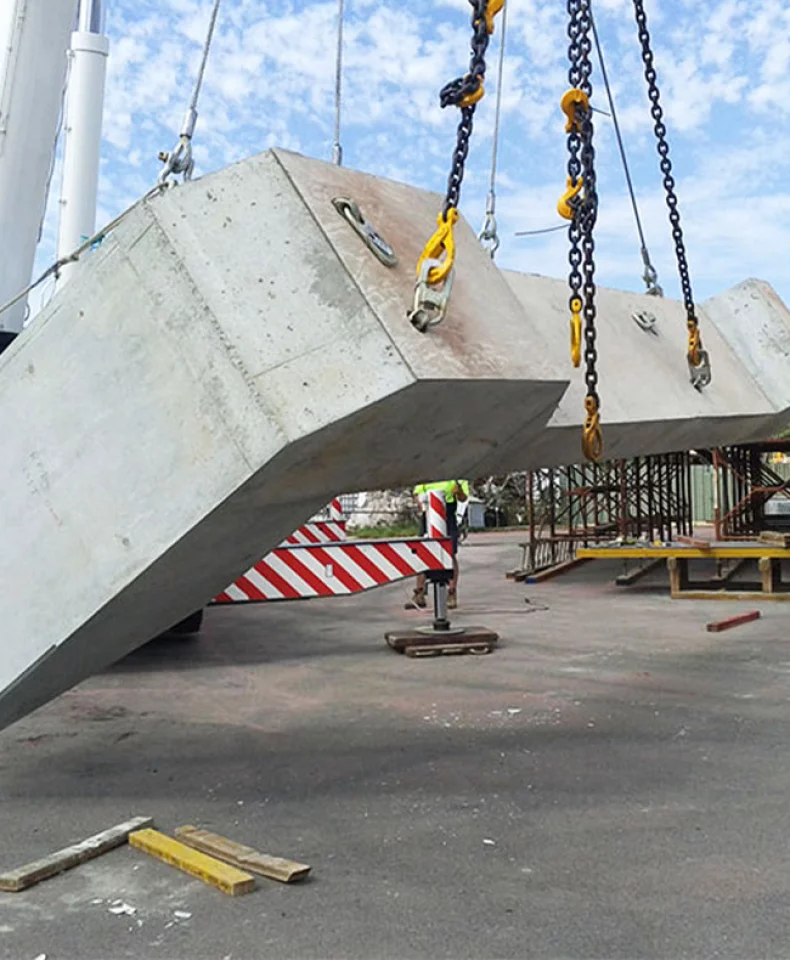
In the precast concrete industry, lifting safety is one of the most important factors during transportation and installation. Heavy concrete panels, beams, pipes, and structural components must be lifted efficiently without causing damage or safety risks. Behind every safe lifting operation is a reliable lifting system, and lifting anchors are one of the key components in that system.
Among different manufacturing methods, hot closed die forging is widely recognized as one of the best processes for producing high-strength lifting anchors. Compared with cast or welded products, hot forged lifting anchors provide better structural strength, higher durability, and more consistent quality.
This article explains how hot die forging works and why it is commonly used in the production of lifting anchors for precast concrete applications.
What Is a Hot Forged Lifting Anchor?
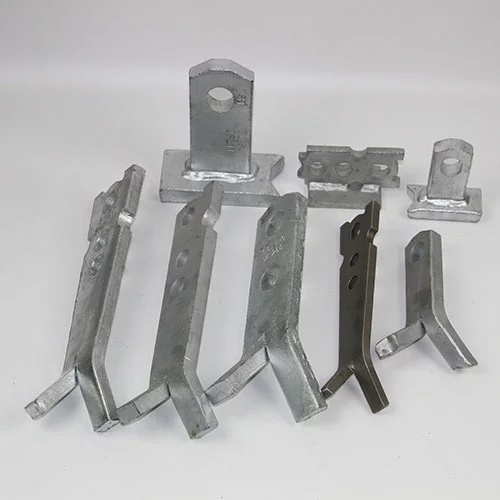
A hot forged lifting anchor is a steel lifting component manufactured by heating steel to a high temperature and shaping it under extreme pressure inside a precision die.
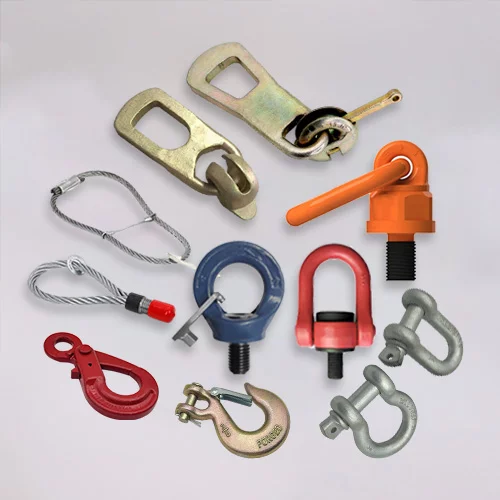
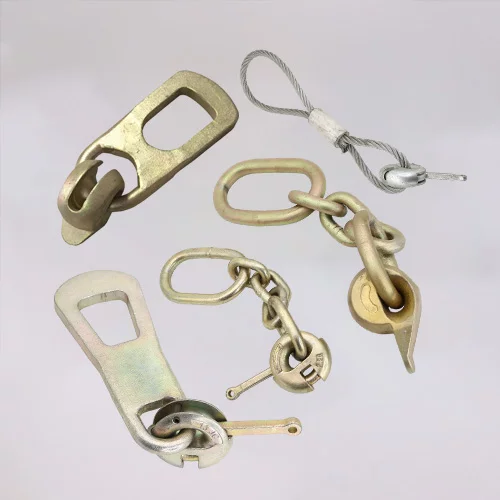
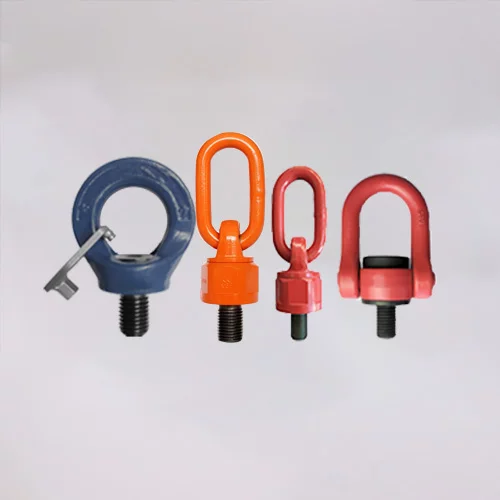
These lifting anchors are embedded into precast concrete elements and used together with lifting clutches to lift and transport concrete products safely.
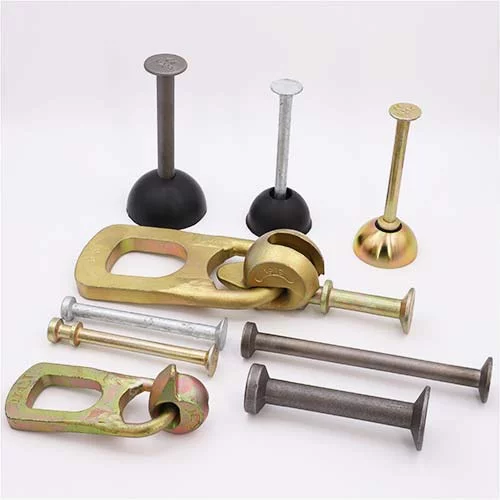
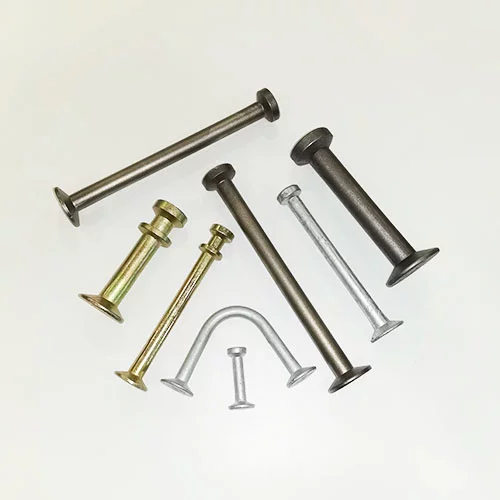
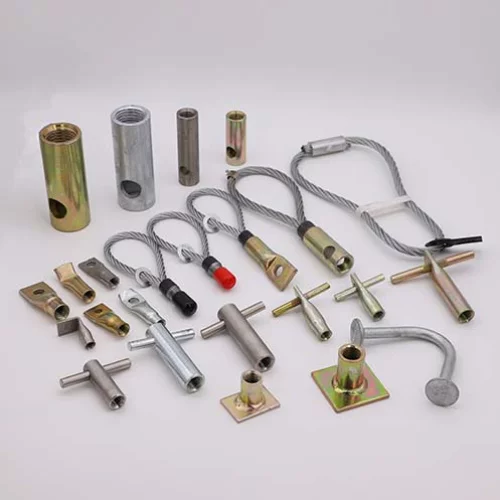
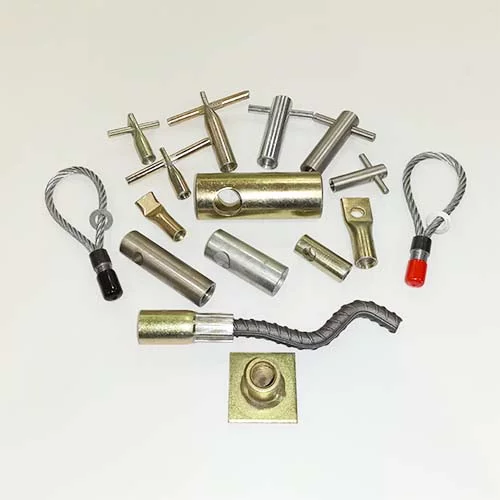
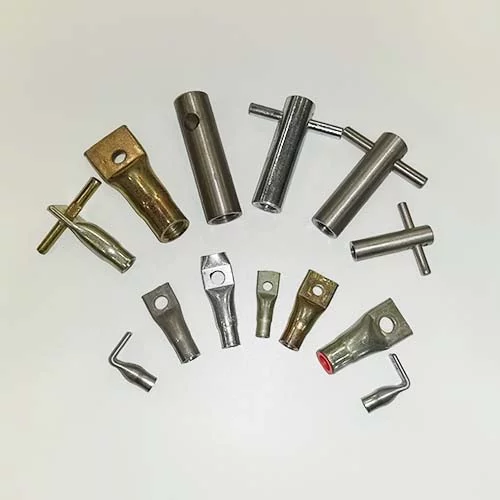
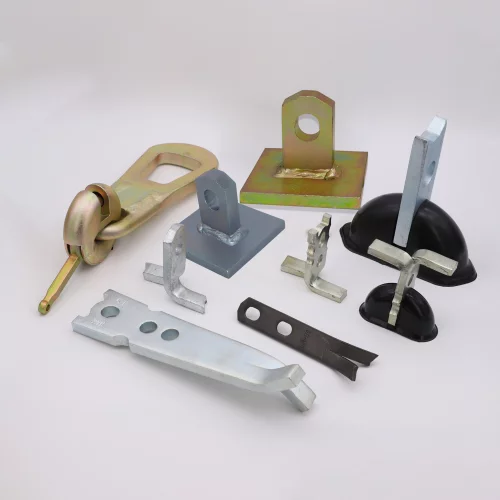
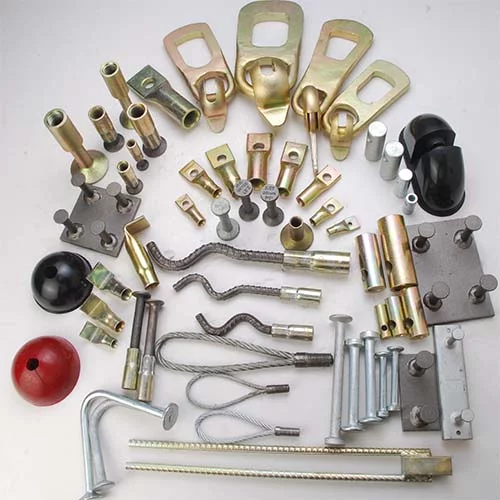
Common types include:
Foot anchors
Lifting Eye anchors
Double Head Lifting Anchors
Utility Lifting Anchor
Because lifting anchors must support heavy loads during handling and installation, their manufacturing quality directly affects lifting safety and product reliability.
Hot forging is especially suitable for lifting anchors because the process creates a denser internal steel structure, allowing the anchor to withstand repeated lifting stress and demanding working conditions.
Why Hot Closed Die Forging Is Used for Lifting Anchors
Better Internal Steel Structure
One of the biggest advantages of hot forging is the improvement of the steel grain structure.
During forging, heated steel is compressed under high pressure. This pressure forces the steel grain to flow along the shape of the anchor, creating a compact and continuous internal structure.
Compared with cast products, forged lifting anchors generally provide:
Higher structural density
Better toughness
Improved crack resistance
Reduced risk of internal defects
This is important because lifting anchors often experience dynamic forces during transportation and installation.
A stronger internal structure helps improve safety and reduce the possibility of sudden failure.
Higher Load Capacity
Precast concrete components are often extremely heavy, and lifting anchors must withstand both static and dynamic loads during operation.
Hot forged lifting anchors provide stable mechanical performance under these demanding conditions. The forging process improves the strength and durability of the steel, making forged anchors suitable for:
Large wall panels
Beams and columns
Bridge components
Industrial concrete structures
In large precast projects, lifting anchors may be used continuously in repetitive lifting operations. Forged products offer the reliability needed for long-term performance.
Improved Dimensional Consistency
Closed die forging uses precision molds to shape lifting anchors with stable dimensions.
Dimensional accuracy is important because lifting anchors must fit correctly with:
Lifting clutches
Recess formers
Concrete molds
Other lifting hardware
Even small dimensional variations can affect lifting safety and installation efficiency.
By using closed die forging, manufacturers can achieve:
More consistent product dimensions
Better compatibility with lifting systems
Reduced assembly problems
Improved production stability
This consistency is especially valuable for large-scale precast concrete production.
Better Surface Integrity
Hot forging also improves the surface integrity of lifting anchors.
The forging process helps reduce internal defects such as:
Porosity
Air pockets
Shrinkage cavities
At the same time, smoother structural transitions reduce stress concentration areas.
These advantages help improve:
Product durability
Fatigue resistance
Long-term reliability
For lifting applications where safety is critical, better structural integrity is extremely important.
Hot Die Forging Process for Lifting Anchors
Raw Material Preparation
Production begins with selecting high-strength steel materials with stable mechanical properties.
Before manufacturing starts, raw materials are inspected for:
Material grade
Surface condition
Diameter tolerance
Chemical composition
Reliable raw materials are essential for producing safe and durable lifting anchors.
Steel Cutting and Heating
Steel bars are cut into billets according to the required anchor size.
The billets are then heated in industrial furnaces to forging temperature. Proper temperature control is critical during this stage.
If the temperature is too low, the steel may crack during forging. If it is too high, the material structure may be damaged.
Uniform heating helps maintain stable forging quality and improves forming performance.
Closed Die Forging
After heating, the steel billet is transferred into a precision forging die.
Under extremely high pressure, the heated steel flows into the die cavity and forms the shape of the lifting anchor.
This process:
Densifies the steel structure
Improves mechanical properties
Creates consistent product shapes
The quality of the forging die and equipment directly affects final product consistency and production efficiency.
Trimming and Machining
After forging, excess flash material is removed to improve dimensional accuracy and appearance.
Some lifting anchors also require additional machining operations, especially threaded products.
Machining may include:
Thread processing
Surface finishing
Dimensional correction
Accurate machining helps ensure safe installation and compatibility with lifting systems.
Surface Cleaning and Inspection
After machining, lifting anchors are cleaned through shot blasting or similar surface treatment methods.
Manufacturers then conduct quality inspections, including:
Visual inspection
Dimensional testing
Mechanical testing
Load testing
Strict inspection procedures help ensure every batch meets safety and quality requirements before shipment.
Advantages of Hot Forged Lifting Anchors
Higher Reliability
The dense internal structure created during forging improves overall product reliability and reduces the risk of failure during lifting operations.
This makes forged anchors suitable for demanding construction environments.
Longer Service Life
Forged lifting anchors offer:
Better fatigue resistance
Improved wear resistance
Higher durability under repeated lifting stress
These advantages help reduce replacement frequency and maintenance costs.
Stable Mass Production Quality
Closed die forging is highly suitable for large-scale production.
Once production parameters are optimized, manufacturers can consistently produce lifting anchors with stable dimensions and mechanical properties.
This is especially important for large precast projects requiring large quantities of identical components.
Flexible Customization
Hot forging also supports customized production.
Manufacturers can produce lifting anchors with different:
Sizes
Shapes
Load capacities
Thread designs
This flexibility allows suppliers to provide OEM and customized solutions for various project requirements.
Applications of Hot Forged Lifting Anchors
Hot forged lifting anchors are widely used in:
Precast wall panels
Concrete pipes
Tunnel segments
Bridge components
Industrial concrete structures
Infrastructure projects
These applications often involve heavy lifting operations, making reliable forged lifting systems essential for safety and efficiency.
Choosing a Reliable Lifting Anchor Supplier
When selecting a lifting anchor supplier, buyers should pay attention to several important factors.
Production Experience
Experienced manufacturers better understand:
Forging technology
Material performance
Lifting safety requirements
Quality control standards
This helps improve product consistency and reliability.
Strict Quality Control
Reliable suppliers perform inspections throughout the production process, including:
Raw material inspection
Dimensional testing
Mechanical testing
Load testing
Strong quality control systems help ensure lifting safety.
Stable Supply Chain
A professional supplier should also provide:
Stable raw material sourcing
Efficient production scheduling
Reliable packaging and shipping
On-time delivery support
This is important for large construction projects with strict schedules.
Why Choose HULK Metal for Hot Forged Lifting Anchors
At HULK Metal, we provide professional manufacturing solutions for precast concrete lifting systems.
We offer:
High-quality forged lifting anchors
Strict production quality control
Customized OEM manufacturing
Complete supply chain support
Professional technical assistance
Reliable global delivery services
Our experienced team focuses on delivering safe, durable, and cost-effective lifting solutions for customers worldwide.
Hot closed die forging is one of the most reliable manufacturing methods for lifting anchors used in precast concrete construction.
By improving steel structure, mechanical strength, and dimensional consistency, hot forged lifting anchors provide the durability and reliability required for demanding lifting operations.
Compared with other manufacturing methods, forged lifting anchors offer:
Higher strength
Better durability
Improved structural integrity
More stable product quality
As the precast concrete industry continues to grow, high-quality forged lifting anchors will remain an essential part of safe and efficient lifting systems.
Article Navigation
PRECAST CONCRETE ACCESSORIES
OTHER RELATED ARTICLE
Other Precast Concrete Accessories You Might Want to Know
You can click to learn more about HULK Metal precast concrete accessories such as lifting anchors, precast sockets, spread anchors, shuttering magnets, cast-in channels, wire loop boxes, and other precast concrete accessories you might want to know.