Top 5 Things Buyers Should Know Before Purchasing Lifting Sockets

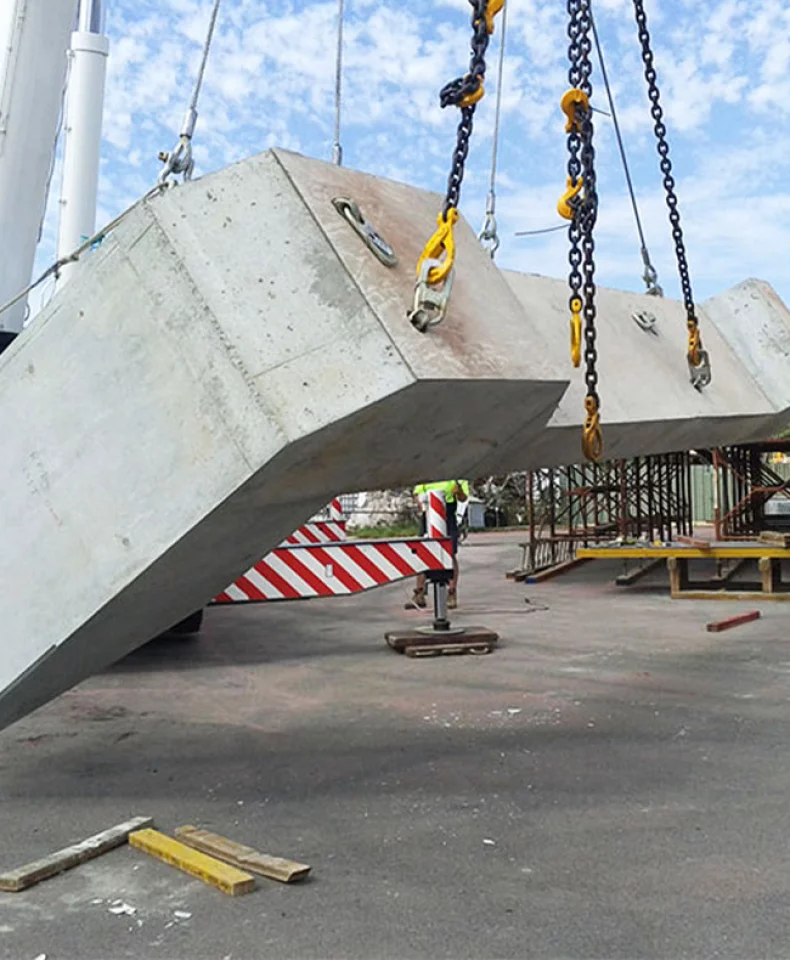
In the precast concrete industry, lifting safety is one of the most critical factors affecting project efficiency, transportation reliability, and on-site installation performance. Whether handling wall panels, beams, slabs, pipes, or customized concrete components, lifting sockets play an essential role in ensuring that heavy precast elements can be moved safely and efficiently.
However, many buyers still treat lifting sockets as simple metal accessories. In reality, these components are highly engineered lifting systems designed to withstand significant loads during transportation, storage, and installation. Choosing the wrong lifting socket can lead to serious consequences, including concrete cracking, lifting instability, project delays, and even safety accidents.
Before placing your next order, there are several important factors every buyer should understand. This article will help you identify the key points that truly matter when purchasing lifting sockets for precast concrete applications.
Not All Lifting Sockets Are Designed for the Same Load Capacity
One of the biggest mistakes buyers make is assuming that lifting sockets with similar appearances can handle the same lifting requirements. In practice, lifting capacity depends on multiple engineering factors, including thread size, material strength, socket design, reinforcement structure, and concrete conditions.
Understanding Safe Working Load (SWL)
Every lifting socket is designed with a Safe Working Load (SWL), which indicates the maximum load it can safely support under standard lifting conditions. Exceeding this limit can significantly increase the risk of failure.
For example, a lifting socket designed for a 2.5-ton load cannot simply be used for a 5-ton concrete panel, even if the thread dimensions appear similar. Dynamic forces generated during transportation, crane lifting, or sudden movements may create loads much higher than the static weight of the concrete component itself.
Professional buyers usually consider:
Concrete element weight
Lifting angle
Number of lifting points
Dynamic load factors
Concrete strength during lifting
Ignoring these factors may result in costly damage to both products and equipment.
Different Applications Require Different Socket Types
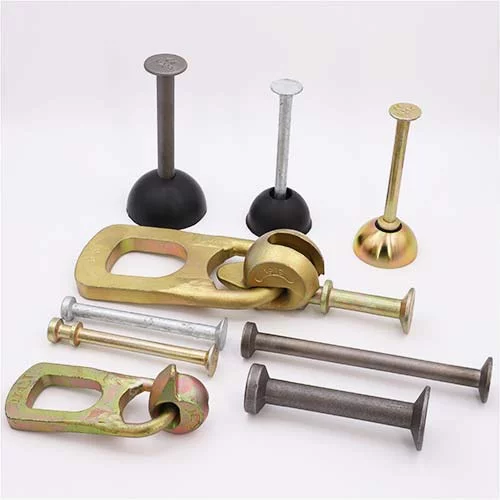
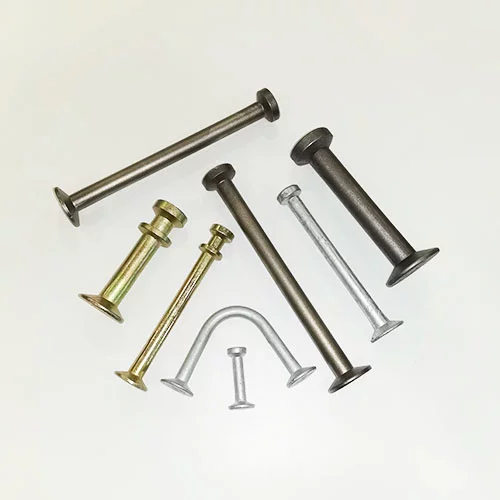
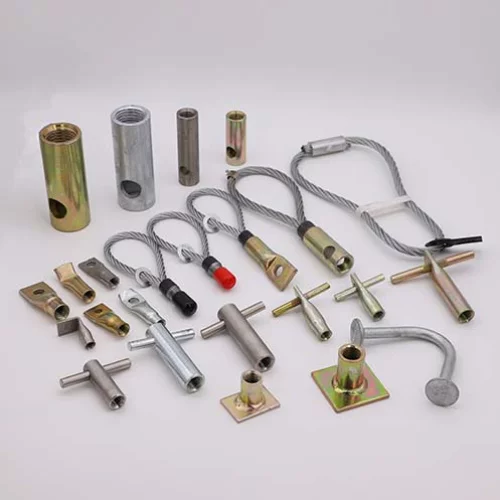
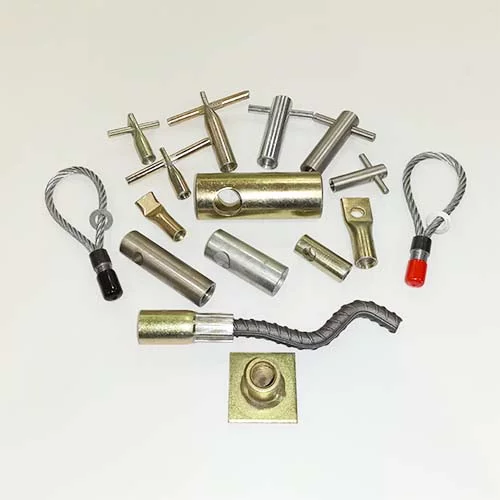
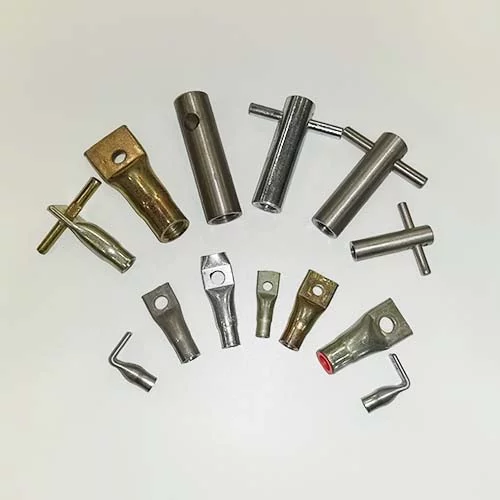
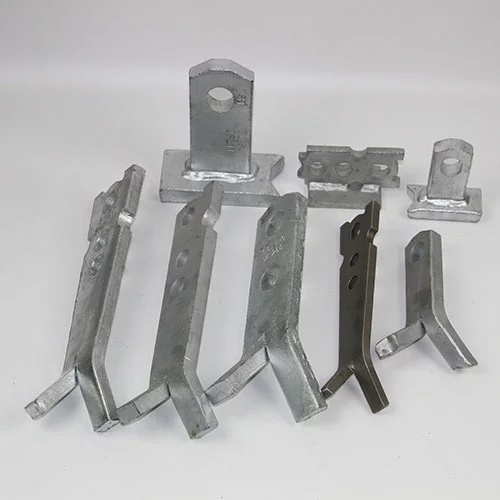
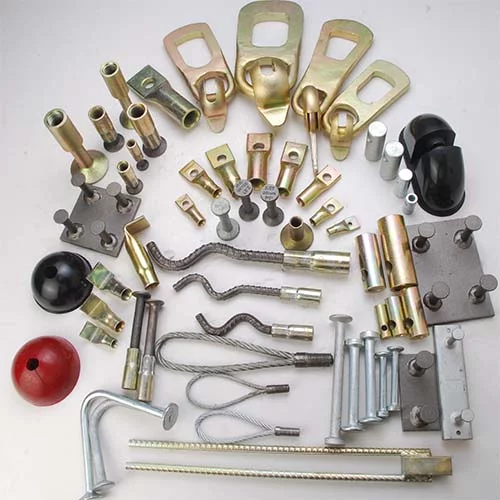
Precast concrete projects use various lifting socket designs depending on the application. Common types include:
Flat End Lifting Socket
Tubular Lifting Socket
Solid Rod Lifting Socket
Short Wavy Lifting Socket
Long Wavy Lifting Socket
Combi Lifting Socket
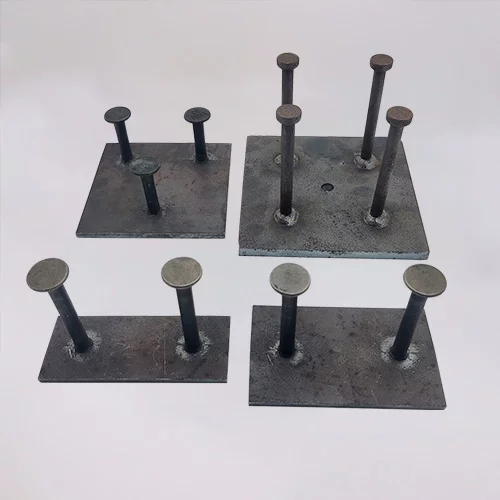
Flat Plate Lifting Socket
Each design offers unique advantages for specific lifting environments. For example, reinforced sockets are often preferred for heavier concrete elements because they distribute stress more effectively inside the concrete structure.
Selecting the correct socket type improves both safety and operational efficiency.
Material Quality Directly Affects Safety and Service Life
Material quality is another factor that should never be overlooked. Since lifting sockets are exposed to heavy loads and harsh construction environments, the quality of raw materials directly impacts their durability and safety performance.
Common Materials Used in Lifting Sockets
Most lifting sockets are manufactured using:
High-strength carbon steel
Stainless steel
Galvanized steel
Carbon steel lifting sockets are widely used because they offer excellent strength and cost efficiency. Galvanized coatings improve corrosion resistance and are suitable for outdoor construction environments.
Stainless steel lifting sockets are commonly selected for projects exposed to moisture, chemicals, or marine environments where long-term corrosion protection is required.
Thread Accuracy Matters More Than Many Buyers Realize
Thread precision is extremely important for lifting safety. Poorly machined threads can create loose connections between the lifting socket and lifting clutch, reducing overall stability during lifting operations.
High-quality lifting sockets should provide:
Smooth thread engagement
Accurate dimensional tolerances
Consistent surface finishing
Reliable welding quality
Even small thread deviations may cause lifting instability under heavy loads.
Signs of Low-Quality Products
Experienced buyers often inspect lifting sockets carefully before purchase. Warning signs of low-quality products include:
Rough or uneven surfaces
Weak galvanizing layers
Visible welding defects
Inconsistent thread dimensions
Missing identification markings
Although low-cost products may reduce short-term purchasing expenses, they often create much higher long-term risks.
Compatibility with Lifting Clutches and Accessories Matters
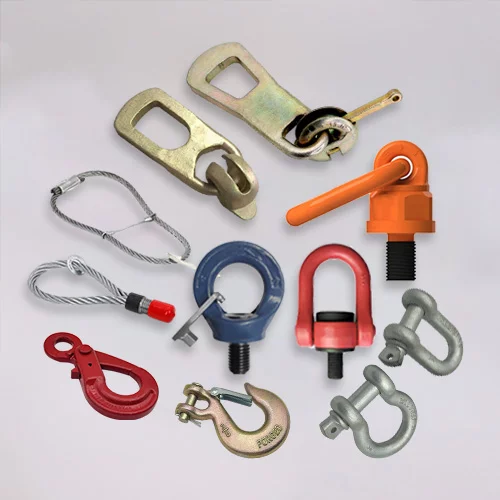
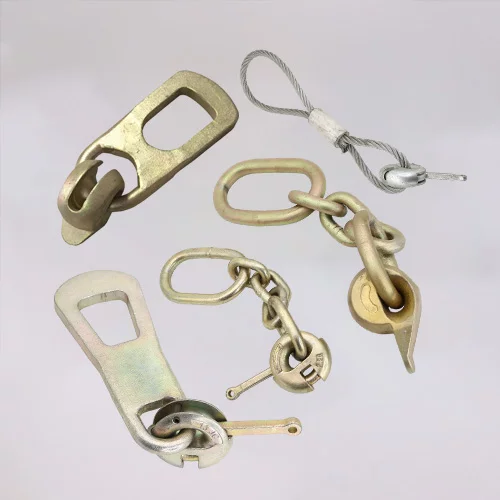
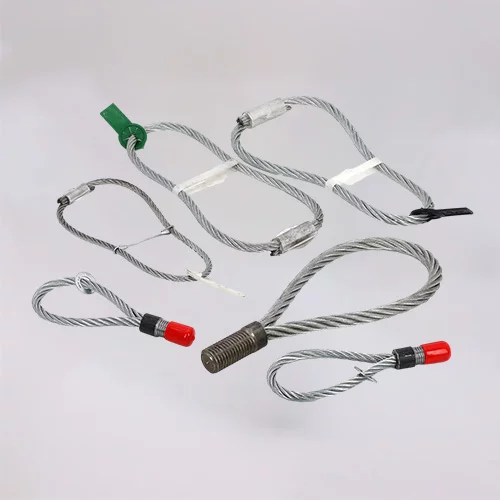
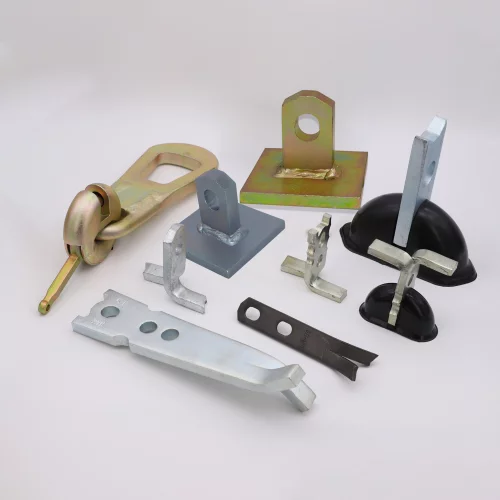
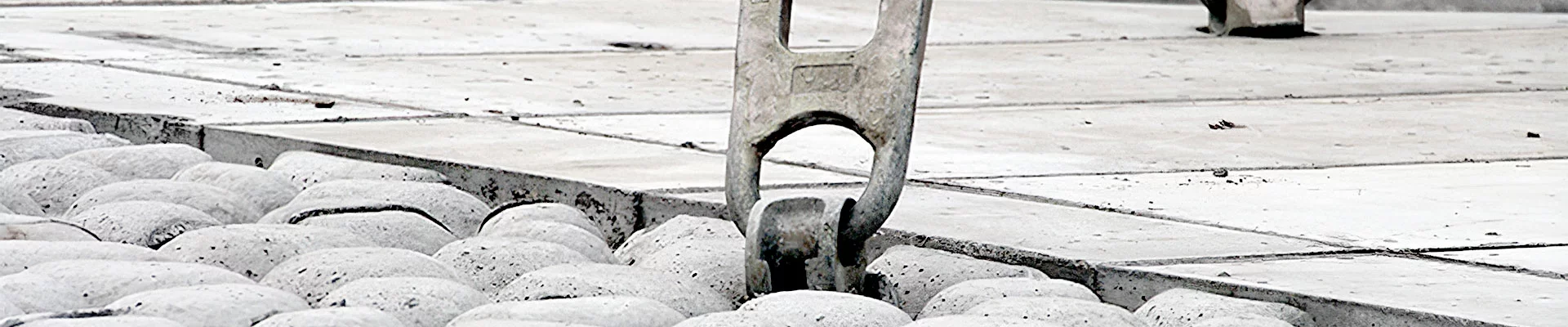
Lifting sockets are not standalone products. They are part of a complete precast lifting system that includes lifting loop, recess formers, andon equipment.
Compatibility between these components is critical for safe operation.
Thread Standards Must Match
Different markets use different thread systems for lifting sockets. Common thread types include:
Metric threads
Rd threads
Custom thread systems
If the lifting clutch does not perfectly match the socket thread, the connection may become unstable during lifting.
This problem is more common than many buyers expect, especially when sourcing products from multiple suppliers.
Poor Compatibility Can Create Serious Problems
Mismatched lifting systems may cause:
Loose connections
Reduced lifting stability
Longer installation time
Increased labor costs
Higher safety risks
In some cases, improper compatibility may even damage the concrete component during lifting.
Why Technical Support Is Valuable
Professional suppliers usually provide technical assistance before production begins. This may include:
Drawing evaluation
Load calculations
Product recommendations
Customized design solutions
Working with experienced suppliers helps buyers avoid expensive compatibility issues later in the project.
Certifications and Quality Control Should Never Be Ignored
Lifting sockets are safety-critical products. Buyers should never focus only on price while ignoring testing procedures and certification standards.
Reliable quality control is essential for maintaining consistent product performance across large production batches.
Important Certifications Buyers Should Check
Professional lifting socket manufacturers typically provide:
Material certificates
Load testing reports
ISO quality management certifications
Dimensional inspection records
These documents help verify that products meet industry requirements and project specifications.
Factory Testing Plays a Major Role
Before shipment, high-quality lifting sockets usually undergo multiple inspection procedures, including:
Tensile Testing
This verifies whether the socket can safely withstand its rated working load.
Dimensional Inspection
Precision measurements ensure proper thread accuracy and product consistency.
Surface Treatment Inspection
Galvanized or coated surfaces are checked for corrosion resistance and coating quality.
Without proper testing, even visually acceptable products may contain hidden defects.
The Real Cost of Poor Quality Control
Low-quality lifting sockets may initially appear less expensive, but the long-term costs can be significant.
Potential consequences include:
Construction delays
Product replacement costs
Concrete damage
Safety accidents
Reputation loss
For contractors and precast manufacturers, reliability is often far more valuable than short-term savings.
A Reliable Supplier Provides More Than Just Products
Many buyers focus only on the lifting socket itself while overlooking the importance of supplier capability. In reality, the supplier’s experience and service level often determine whether the project runs smoothly.
Stable Supply Chains Improve Delivery Reliability
Construction schedules are often extremely tight. Delayed shipments can disrupt installation plans and increase project costs.
Reliable suppliers usually maintain:
Stable raw material sourcing
Mature production systems
Consistent quality control
Organized logistics coordination
These advantages help reduce delivery risks during large-volume orders.
Custom Manufacturing Is Increasingly Important
Modern precast projects often require customized lifting solutions. Standard products may not always meet special structural or installation requirements.
Experienced OEM suppliers can provide:
Customized dimensions
Special thread configurations
Custom packaging
Private label branding
Project-specific solutions
This flexibility is especially valuable for distributors and large precast manufacturers.
After-Sales Support Should Not Be Ignored
Professional suppliers continue supporting customers after delivery.
Strong after-sales service may include:
Technical consultation
Replacement support
Quality issue handling
Product traceability
Long-term cooperation assistance
This support becomes extremely important when handling large infrastructure or commercial construction projects.
Common Mistakes Buyers Make When Purchasing Lifting Sockets
Even experienced buyers occasionally overlook critical details during procurement. Some of the most common mistakes include:
Choosing the Cheapest Supplier
Low pricing often reflects lower material quality, insufficient testing, or unstable production capability.
Ignoring Concrete Strength Requirements
Concrete strength during lifting is just as important as the socket itself. Lifting concrete before sufficient curing may increase cracking risks.
Overlooking Corrosion Protection
Outdoor and marine projects require better surface protection to ensure long-term durability.
Failing to Evaluate Supplier Experience
Suppliers without precast industry experience may struggle to provide proper technical support and stable product quality.
How to Choose the Right Lifting Socket Supplier
Choosing the right supplier involves much more than comparing quotations.
Professional buyers usually evaluate suppliers based on:
Manufacturing experience
Quality control systems
Export experience
Technical support capability
Customization flexibility
Delivery reliability
Requesting product samples before placing large orders is also highly recommended. Sample evaluation helps verify thread precision, coating quality, and overall manufacturing consistency.
Long-term cooperation with reliable suppliers often reduces procurement risks and improves project efficiency.
Why More Buyers Choose Professional OEM Suppliers
As global precast construction continues growing, more contractors and distributors are working directly with professional OEM manufacturers instead of trading-only companies.
OEM suppliers typically offer:
Better production control
More stable quality
Faster technical communication
Flexible customization
Improved cost efficiency
Integrated supply chain management also helps reduce unnecessary delays and quality inconsistencies.
For large-scale projects, these advantages can significantly improve both operational efficiency and overall project profitability.
Lifting sockets may appear to be simple hardware components, but they play a critical role in precast concrete safety and handling efficiency. Choosing the right product requires careful attention to load capacity, material quality, compatibility, testing standards, and supplier reliability.
Buyers who focus only on pricing often face higher long-term costs caused by quality problems, delays, and safety risks. In contrast, working with experienced lifting socket manufacturers helps ensure safer lifting operations, stable product performance, and smoother project execution.
As precast construction projects become larger and more technically demanding, selecting the right lifting socket supplier is no longer just a purchasing decision — it is an important investment in project safety, efficiency, and long-term success.
Why Choose HULK Metal as Your Lifting Socket Supplier
As an experienced metal products manufacturer, HULK Metal provides reliable lifting socket solutions for global precast concrete projects. With strict quality control systems, strong OEM manufacturing capabilities, and an integrated supply chain, HULK Metal helps customers achieve stable quality, competitive pricing, and reliable delivery performance.
From material sourcing and precision production to packaging and logistics coordination, our professional teams support every stage of your project to ensure efficient and dependable lifting solutions.
Article Navigation
PRECAST CONCRETE ACCESSORIES
OTHER RELATED ARTICLE
- 1.Why should every manufacturer conduct tensile testing?
- 2.Application of Lifting Socket in Precast Concrete
- 3.Applications and advantages of swivel hoist rings: HULK Metal provides you with safer and more flexible lifting solutions
- 4.Lifting Clutch VS Lifting Ring Clutch:Definition, Working Principle, Application Scenarios, and Selection Guide
Other Precast Concrete Accessories You Might Want to Know
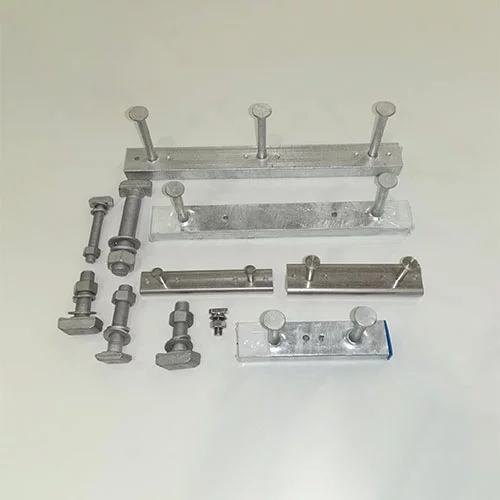
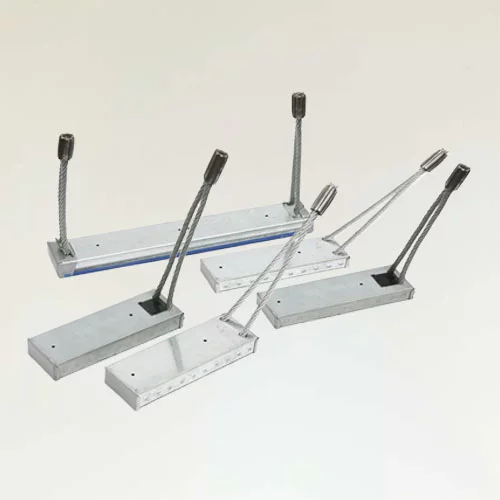
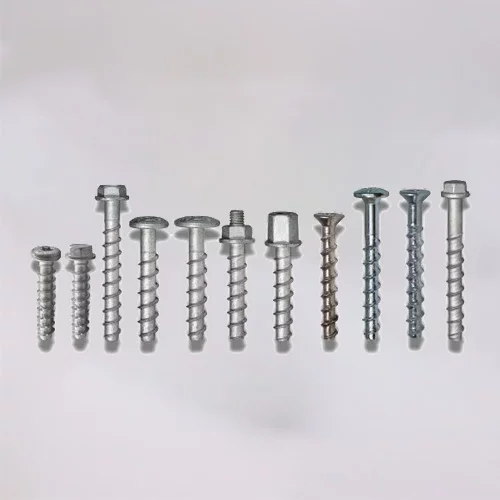
You can click to learn more about HULK Metal precast concrete accessories such as lifting anchors, precast sockets, spread anchors, shuttering magnets, cast-in channels, wire loop boxes, and other precast concrete accessories you might want to know.