How Dog Bone Anchors Work with Lifting Clutches?

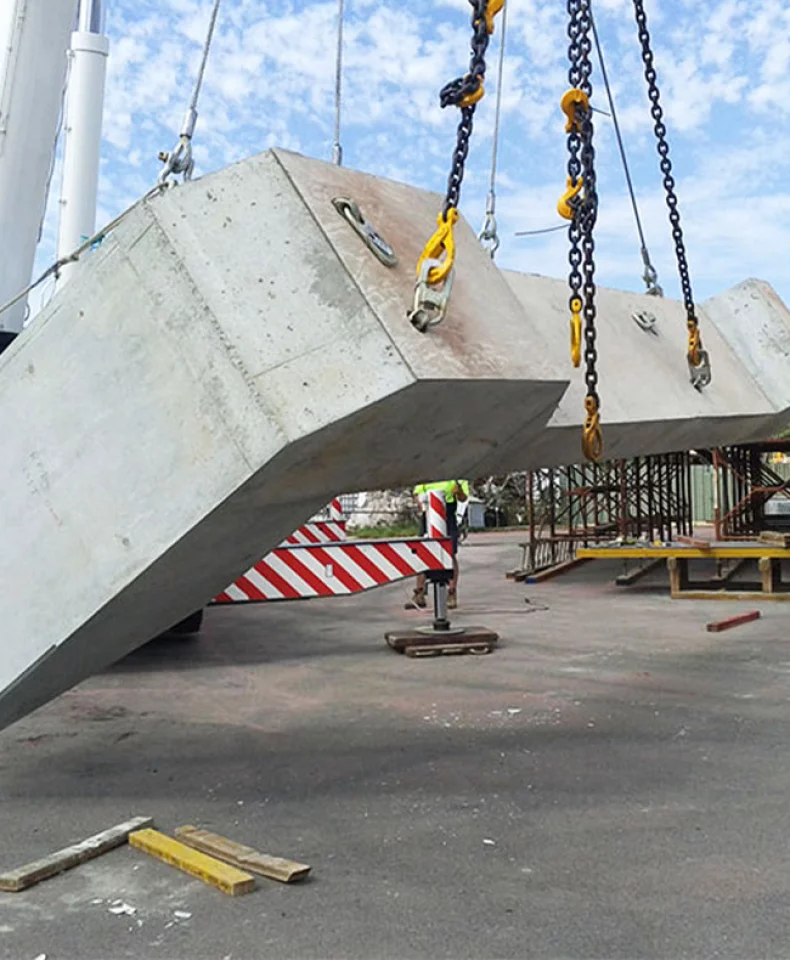
In modern precast concrete construction, lifting heavy concrete components safely and efficiently is one of the most important parts of the entire production and installation process. From wall panels and beams to staircases and utility structures, every precast element must be transported, tilted, and installed without damaging the concrete or creating safety risks for workers.
This is where Dog Bone Anchors and Lifting Clutches play an essential role.
Known for their high strength, quick connection design, and excellent handling flexibility, Dog Bone lifting systems have become one of the most widely used lifting solutions in the precast concrete industry. Their ability to provide fast attachment, smooth rotation under load, and repeated handling efficiency makes them ideal for demanding construction environments.
In this article, we will explain how Dog Bone Anchors work with Lifting Clutches, including their structure, working principles, advantages, limitations, inspection requirements, and best practices for safe lifting operations.
What Is a Dog Bone Anchor?
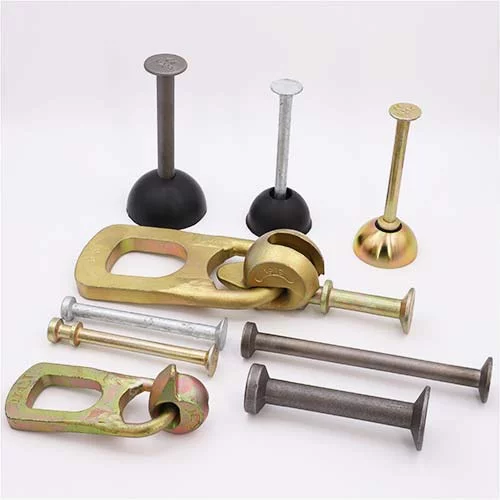
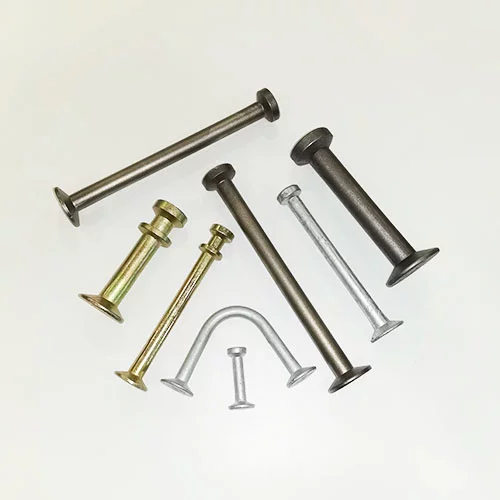
A Dog Bone Anchor is a forged steel lifting insert designed for lifting and handling precast concrete elements. The anchor gets its name from its unique shape, which resembles a dog bone with spherical ends.It is also called a spread head lifting anchor, lifting pin anchor, or foot anchor.
The anchor is cast directly into the concrete during production. After the concrete reaches the required strength, a compatible lifting clutch connects to the exposed anchor head, allowing cranes or rigging equipment to safely lift and transport the concrete element.
Compared with traditional lifting methods, Dog Bone Anchors provide a more efficient and reliable lifting solution for repeated handling operations.
Basic Structure of a Dog Bone Anchor
A Dog Bone Anchor typically consists of two forged spherical ends connected by a steel shaft.
One spherical end remains embedded inside the concrete. Its primary purpose is to prevent pullout under heavy loading conditions. The enlarged shape helps distribute lifting forces into the surrounding concrete, improving overall load stability.
The opposite spherical end remains exposed through a recess in the concrete surface. This exposed head connects directly to the lifting clutch during handling operations.
Because of its compact and low-profile design, the Dog Bone Anchor minimizes surface protrusion while still providing high load capacity.
Materials and Manufacturing
Most Dog Bone Anchors are manufactured from high-strength forged steel. Forging improves the steel’s internal grain structure, resulting in higher strength, better fatigue resistance, and improved durability compared with cast or welded alternatives.
Depending on the application environment, anchors may receive different surface treatments, including:
Plain steel finish
Zinc-plated finish
Hot-dip galvanized coating
Galvanized finishes are especially useful for outdoor or humid environments where corrosion resistance is important.
Precision manufacturing is critical because even small dimensional variations can affect how the lifting clutch connects to the anchor.
Common Applications
Dog Bone Anchors are widely used in many types of precast concrete products, including:
Wall panels
Beams and columns
Concrete pipes
Precast stairs
Utility vaults
Bridge components
Modular building units
Their versatility makes them suitable for both factory production environments and large construction projects.
What Is a Lifting Clutch?
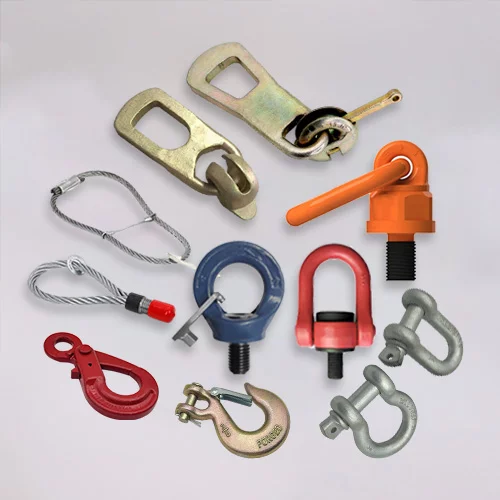
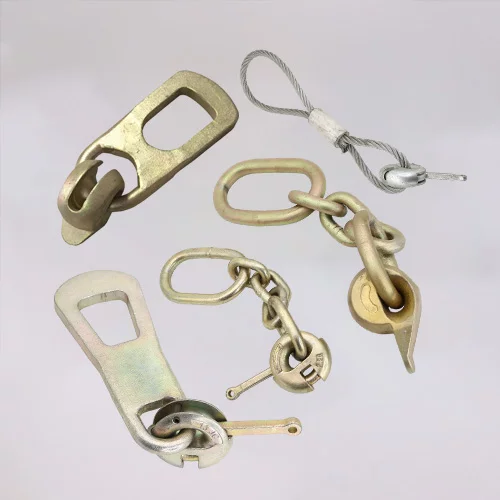
A Lifting Clutch, sometimes called a lifting eye, is the lifting accessory used together with the Dog Bone Anchor.
It connects the crane rigging system to the anchor embedded inside the concrete element.
The lifting clutch is designed for repeated use and allows operators to quickly connect and disconnect lifting equipment without complicated tools or installation procedures.
Main Components of a Lifting Clutch
A lifting clutch generally includes:
Lifting Body
The lifting body contains the spherical head connection area that locks onto the exposed anchor head.
Quick-Connect Bail
The bail is the movable lifting loop connected to the crane hook or rigging system.
Rotating Head
The spherical head inside the clutch allows movement and rotation during lifting operations.
These components work together to provide flexibility and secure load transfer during handling.
Why Lifting Clutches Are Important
The lifting clutch significantly improves lifting efficiency.
Instead of using chains, hooks, or custom lifting frames, workers can quickly attach the clutch directly to the anchor within seconds.
This provides several benefits:
Faster lifting preparation
Reduced labor time
Improved handling flexibility
Easier rotation and positioning
Better safety during repeated operations
For precast factories handling hundreds of concrete elements daily, these time savings can greatly improve overall productivity.
How Dog Bone Anchors Work with Lifting Clutches
The lifting process is relatively simple but highly engineered for safety and performance.
Step 1 – Casting the Dog Bone Anchor into Concrete
Before concrete pouring begins, the Dog Bone Anchor is positioned inside the mold according to the lifting design requirements.
Correct positioning is extremely important because lifting loads must transfer safely into the concrete structure.
Recess formers are commonly used to create an opening around the exposed anchor head. This recessed area allows the lifting clutch to connect after curing.
The anchor must remain securely fixed during concrete pouring to prevent movement or misalignment.
After pouring, the concrete must achieve the required compressive strength before lifting operations begin.
Step 2 – Connecting the Lifting Clutch
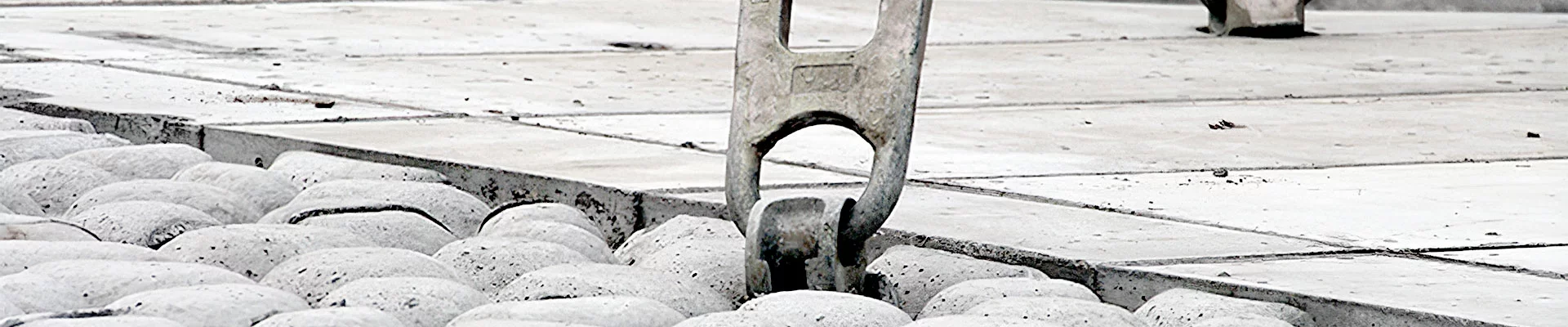
Once the concrete element is ready for handling, operators attach the lifting clutch to the exposed Dog Bone Anchor head.
The connection process is quick and simple:
1. Align the lifting clutch with the anchor head
2. Insert the spherical head into the clutch opening
3. Rotate or lock the clutch into position
4. Verify secure engagement before lifting
The quick-connect mechanism allows fast attachment without complicated tools.
Proper engagement is critical because the entire lifting load transfers through this connection point.
Step 3 – Lifting the Concrete Element
When the crane begins lifting, forces transfer from the concrete element into the Dog Bone Anchor and then into the lifting clutch.
One of the biggest advantages of this system is its rotational flexibility.
The bail on the lifting clutch can rotate up to 180 degrees under load. Additionally, the spherical head can rotate inside the clutch body.
This movement allows the system to adjust naturally during lifting, tilting, and positioning operations.
For example, when rotating a wall panel from horizontal to vertical position, the lifting system can adapt to changing force directions without creating excessive stress concentrations.
This flexibility helps reduce sudden loading impacts and improves lifting stability.
Step 4 – Disconnecting After Installation
After the concrete component is installed in its final position, the lifting clutch can be quickly removed.
Workers simply release the locking mechanism and disconnect the clutch from the anchor head.
This quick-release process reduces crane downtime and improves installation efficiency.
Key Features That Make the System Efficient
Quick Connect and Disconnect Design
One of the main advantages of the Dog Bone lifting system is its fast connection capability.
Workers can attach or remove lifting clutches within seconds, significantly improving handling efficiency compared with traditional lifting methods.
This is especially beneficial for high-volume precast production environments.
Rotational Flexibility Under Load
The rotating bail and spherical head allow controlled movement during lifting.
This flexibility helps:
Reduce stress concentration
Improve load alignment
Simplify panel rotation
Improve positioning accuracy
For complex precast handling operations, this feature greatly improves operational safety.
High Load Capacity
Dog Bone Anchors are designed for heavy lifting applications.
Their forged steel construction and optimized load transfer design allow them to safely handle large concrete components repeatedly.
Low-Profile Design
Because the anchor remains mostly embedded inside the concrete, surface protrusion is minimized.
This improves:
Product appearance
Transportation efficiency
Storage convenience
Reduced risk of damage during handling
Advantages of Using Dog Bone Anchors with Lifting Clutches
Improved Jobsite Safety
Safety is one of the biggest reasons contractors prefer Dog Bone lifting systems.
The secure locking mechanism reduces accidental disengagement risks during lifting.
The rotational movement also helps prevent unstable load behavior.
Faster Precast Handling
Quick attachment and removal reduce lifting preparation time.
This allows cranes and installation crews to work more efficiently, especially on large projects with repetitive lifting tasks.
Lower Long-Term Operating Costs
Although lifting clutches are reusable, high-quality forged steel construction provides long service life when properly maintained.
Reduced labor requirements and faster installation also help lower overall project costs.
Better Flexibility for Complex Lifting
Modern precast construction often involves rotating, tilting, and repositioning heavy components.
The Dog Bone system handles these dynamic lifting situations more effectively than rigid lifting systems.
Limitations and Important Considerations
While Dog Bone Anchors offer many advantages, they are not suitable for every application.
Not Recommended for Thin Panels
Thin concrete panels may not provide enough concrete mass to safely distribute lifting forces.
The dynamic movement of the system can increase cracking risks in thin sections.
Avoid Improper Edge Lifting
Lifting too close to concrete edges may cause breakout failure.
Proper anchor placement and load direction calculations are essential.
Correct Load Rating Selection
Each anchor size has a specific working load limit.
Using undersized anchors can create serious safety hazards.
Engineers must carefully calculate:
Concrete weight
Lifting angles
Dynamic forces
Safety factors
Use Compatible Components
Lifting clutches should always match anchors from the same manufacturer.
Even small dimensional differences between brands may affect connection safety.
Inspection and Maintenance of Lifting Clutches
Because lifting clutches experience repeated loading cycles, regular inspection is extremely important.
Why Inspection Matters
Over time, lifting clutches may experience:
Surface wear
Bending
Cracks
Corrosion
Impact damage
These conditions can reduce lifting capacity and create safety risks.
What to Check Before Each Use
Operators should inspect:
Bail condition
Locking mechanism
Spherical head wear
Surface cracks
Deformation
Corrosion
Any abnormal damage should be addressed immediately.
When to Replace a Lifting Clutch
Replacement is recommended if:
Excessive wear is visible
Structural deformation occurs
Cracks are detected
The clutch has been overloaded
Rotation becomes restricted
Using damaged lifting equipment can lead to catastrophic lifting failure.
Proper Storage and Handling
To extend service life:
Store in dry environments
Keep away from corrosive materials
Avoid dropping or impact damage
Perform routine maintenance inspections
Proper storage helps maintain long-term performance and reliability.
Best Practices for Safe Lifting Operations
Follow Manufacturer Load Guidelines
Never exceed the rated working load limit.
Lifting angles and dynamic movement can significantly increase actual forces during operation.
Ensure Proper Concrete Strength Before Lifting
Concrete must achieve sufficient compressive strength before lifting begins.
Premature lifting can lead to cracking or anchor pullout failure.
Train Operators Properly
Workers should understand:
Correct clutch attachment procedures
Load balancing techniques
Inspection standards
Safe lifting practices
Well-trained operators greatly reduce accident risks.
Use High-Quality Lifting Components
Certified lifting systems provide more reliable performance and consistent safety standards.
Low-quality products may contain material defects or dimensional inconsistencies that increase failure risks.
Why Quality Matters in Dog Bone Anchor Systems
The reliability of any lifting system depends heavily on manufacturing quality.
Precision Manufacturing Improves Reliability
Accurate dimensions ensure smooth clutch engagement and proper load transfer.
Precision forging also improves consistency between production batches.
High-Strength Materials Increase Safety
Forged alloy steel provides:
Better fatigue resistance
Higher tensile strength
Improved impact resistance
Longer service life
Quality Control Reduces Failure Risk
Professional manufacturers perform:
Load testing
Material verification
Dimensional inspection
Surface treatment inspection
Strict quality control helps ensure safe and stable lifting performance.
Dog Bone Anchors and Lifting Clutches provide a fast, reliable, and highly efficient lifting solution for the precast concrete industry.
Their quick-connect design, rotational flexibility, and high load capacity make them ideal for handling heavy precast components safely and efficiently.
However, like any lifting system, proper selection, installation, inspection, and maintenance are critical for safe operation.
By using high-quality lifting components and following correct lifting procedures, contractors and precast manufacturers can improve productivity, reduce safety risks, and achieve more reliable project performance.
For modern precast concrete construction, Dog Bone lifting systems remain one of the most trusted solutions for efficient concrete handling.
Article Navigation
PRECAST CONCRETE ACCESSORIES
OTHER RELATED ARTICLE
Other Precast Concrete Accessories You Might Want to Know
You can click to learn more about HULK Metal precast concrete accessories such as lifting anchors, precast sockets, spread anchors, shuttering magnets, cast-in channels, wire loop boxes, and other precast concrete accessories you might want to know.