
Reliable Precast Lifting System Supplier for Safe and Efficient Concrete Handling

The global precast concrete industry has grown rapidly over the past decade. From residential buildings and commercial structures to bridges and infrastructure projects, precast concrete components are now widely used because of their consistent quality, faster installation speed, and reduced on-site labor requirements.
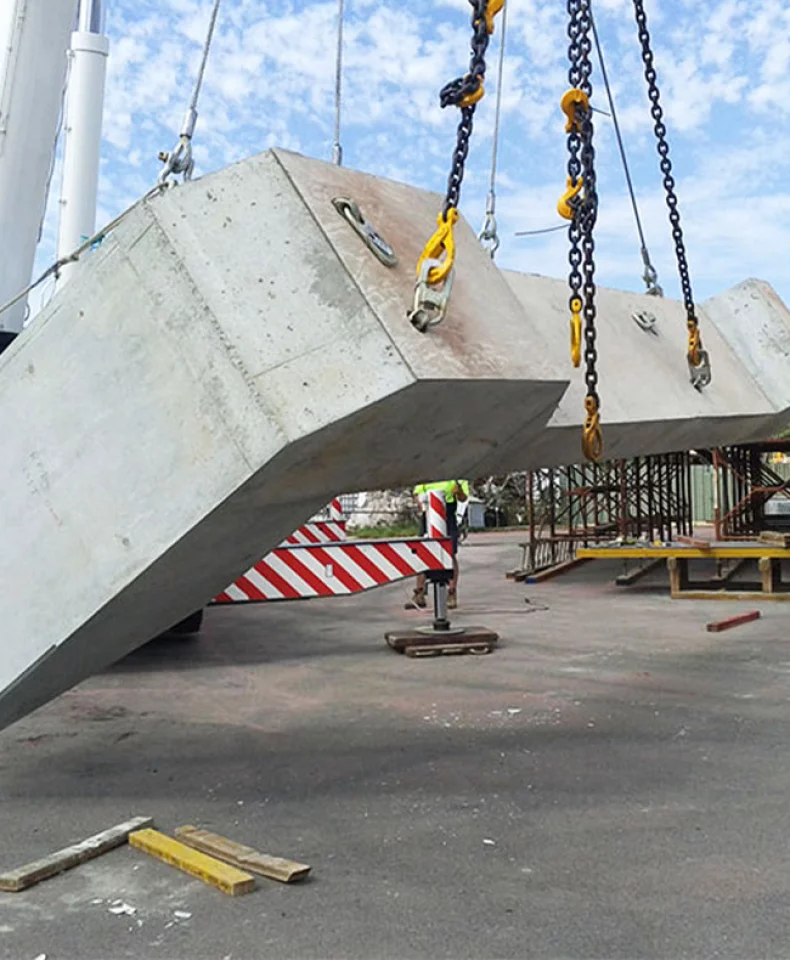
However, behind every successful precast project is a safe and reliable lifting system. Heavy concrete elements must be transported, rotated, lifted, and installed efficiently without damaging the concrete or creating safety risks on the construction site. This is why choosing a reliable precast lifting system supplier has become increasingly important for contractors, precast factories, and construction companies worldwide.
A complete precast lifting system is not just a single product. It is a carefully matched combination of lifting anchors, lifting clutches, and recess formers that work together throughout the entire production and installation process. When these components are properly designed and matched, they can significantly improve lifting safety, production efficiency, and project reliability.
In this article, we will explore how these components function together and why working with an experienced lifting system supplier is essential for modern precast construction projects.
The Core Components of a Precast Lifting System
A precast lifting system is designed to safely transfer the weight of concrete elements during lifting and transportation. Although the system may appear simple, each component plays a critical role in maintaining load stability and operational safety.
Lifting Anchors
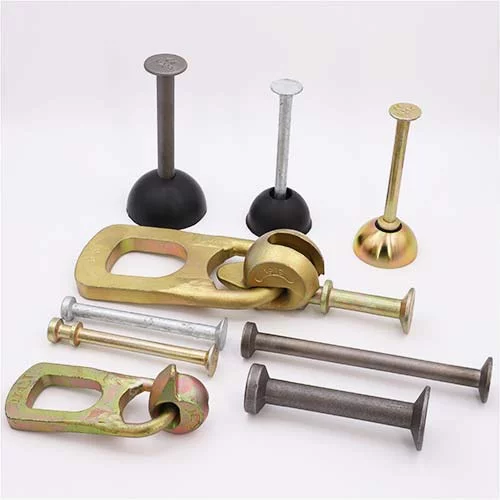
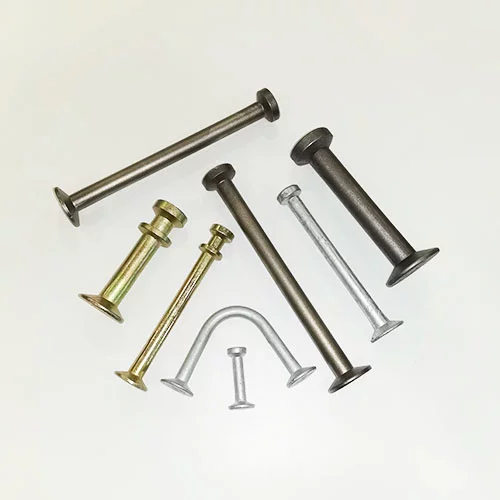
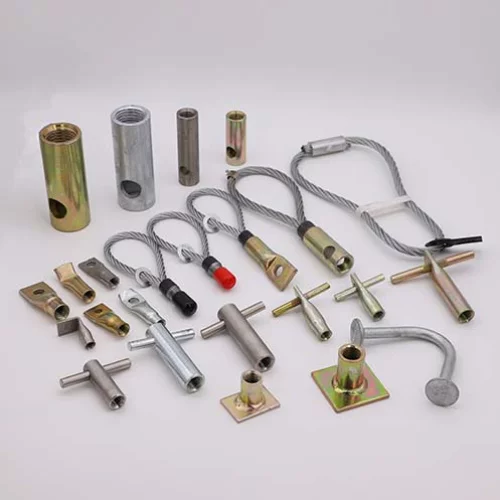
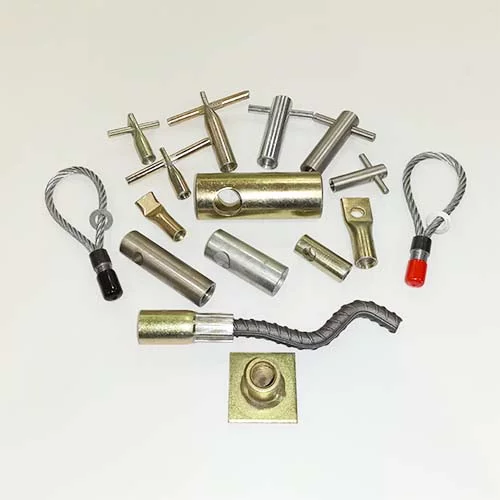
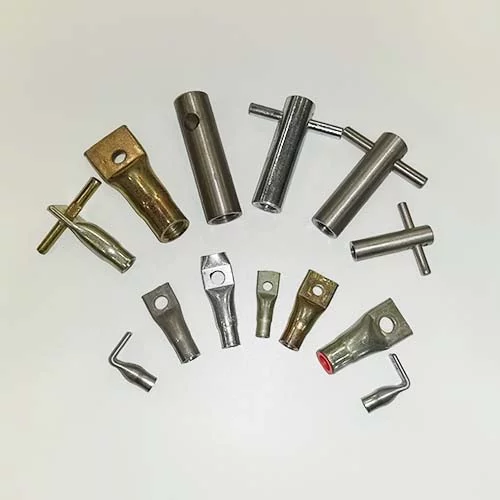
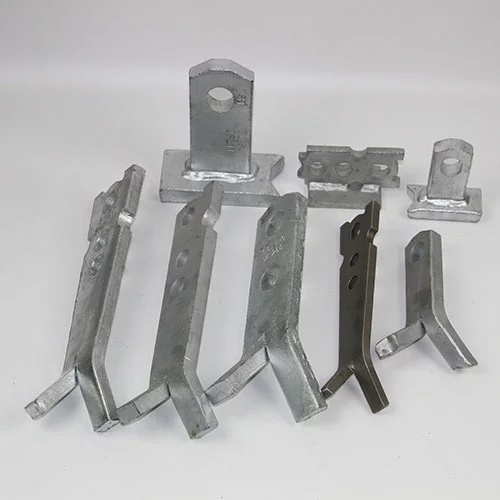
Lifting anchors are embedded directly into precast concrete elements during production. Their primary function is to carry the load of the concrete component during lifting, transportation, storage, and installation.
These anchors are typically manufactured from high-strength alloy steel and undergo forging, machining, and heat treatment processes to achieve reliable mechanical performance.
Common lifting anchor types include:
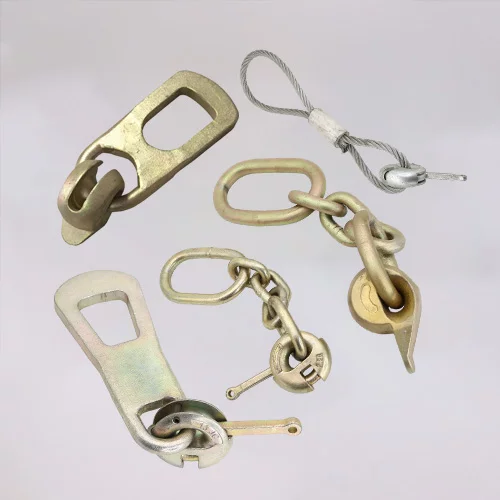
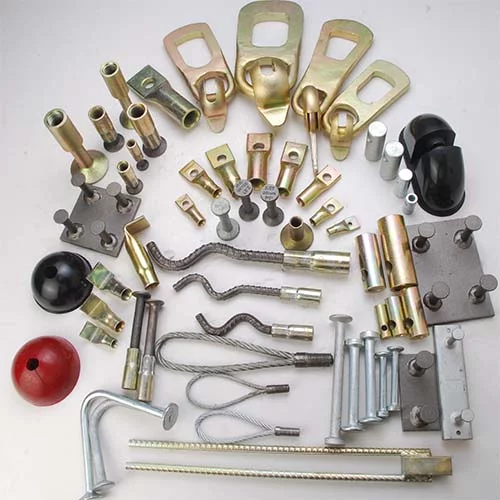
Dog bone lifting anchors
Double head lifting anchors
Lifting Eye anchors
Utility lifting anchors
Different lifting anchor designs are suitable for different applications. For example, dog bone anchors are commonly used for wall panels and slabs, while foot anchors are preferred for larger structural elements requiring higher load capacity.
Selecting the correct lifting anchor depends on several important factors:
Concrete element weight
Concrete strength
Lifting angle
Edge distance
Reinforcement arrangement
Improper anchor selection may result in lifting instability, concrete cracking, or even anchor failure during operation.
Lifting Clutches
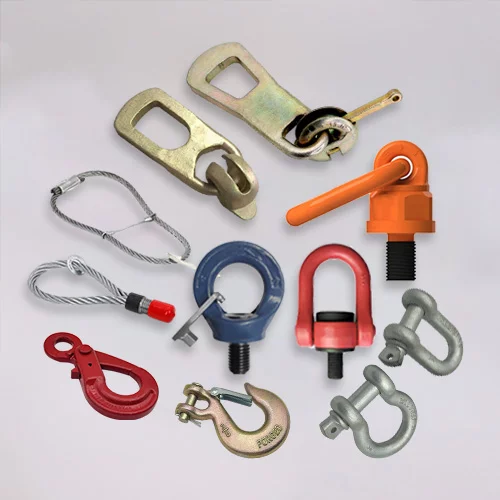
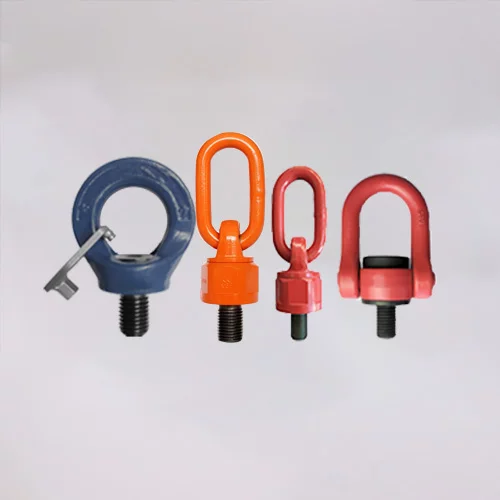
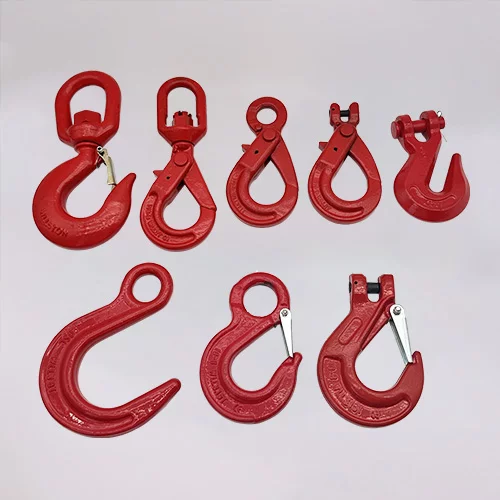
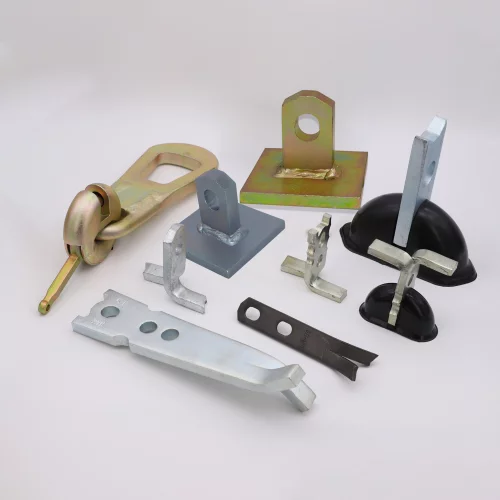
Lifting clutches are temporary lifting devices that connect the crane hook to the embedded lifting anchor. During lifting operations, the clutch securely locks onto the anchor head and transfers the lifting force safely.
A high-quality lifting clutch typically includes:
Forged steel body
Safety locking mechanism
Durable lifting loop
Wear-resistant surface treatment
One of the most important requirements in precast lifting systems is proper compatibility between the lifting clutch and the anchor. The clutch size, shape, and load rating must match the corresponding anchor perfectly.
Reliable lifting clutches provide several advantages:
Faster lifting operations
Secure load engagement
Improved worker safety
Longer service life
Reduced maintenance costs
Because lifting clutches are repeatedly used on construction sites, durability and dimensional accuracy are extremely important.
Recess Formers
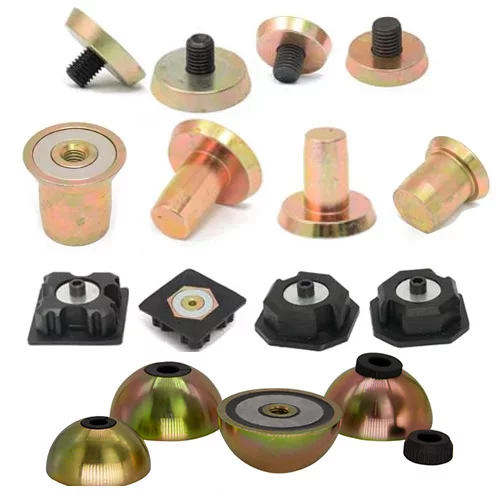
Recess formers are often overlooked, but they are essential components in a precast lifting system. Their purpose is to create a recess around the embedded lifting anchor so that the lifting clutch can easily connect after concrete curing.
Without a properly formed recess, lifting operations become difficult and unsafe.
The two most commonly used recess former types are:
Rubber recess formers
Magnetic recess formers
Each type offers unique advantages depending on the production environment and mold system.
Rubber vs. Magnetic Recess Formers
Choosing the correct recess former directly affects production efficiency, lifting accessibility, and product consistency.
Rubber Recess Formers
Rubber recess formers are widely used in precast concrete production because of their flexibility and cost-effectiveness.
These formers are typically manufactured from durable rubber materials and can be reused multiple times. During production, the lifting anchor is inserted into the rubber former, which is then fixed onto the mold before concrete pouring.
The flexibility of rubber recess formers provides several benefits:
Easy installation
Simple demolding
Good sealing performance
Reduced concrete leakage
Lower tooling costs
Rubber recess formers are especially suitable for:
Small and medium precast components
Traditional mold systems
Manual production lines
Because they are lightweight and easy to handle, they remain popular in many precast factories worldwide.
However, after repeated use, rubber formers may gradually deform, affecting dimensional accuracy.
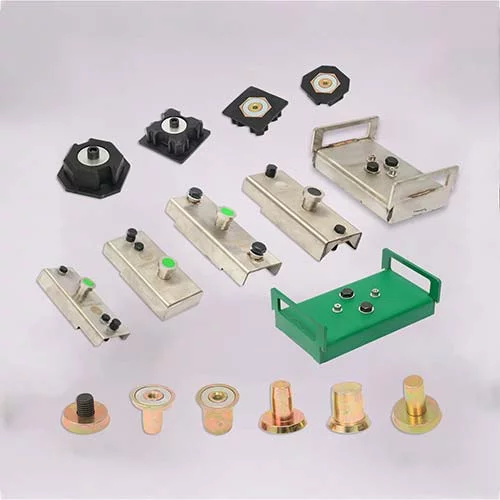
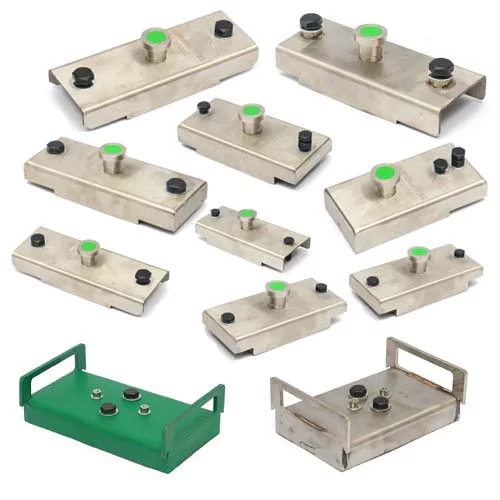
Magnetic Recess Formers
Magnetic recess formers are designed for faster and more accurate production processes, particularly in automated precast factories using steel molds.
Unlike rubber formers, magnetic versions use strong built-in magnets to attach directly to steel formwork. This creates a more stable fixing method during concrete pouring.
Key advantages of magnetic recess formers include:
Faster positioning
Improved dimensional consistency
Strong mold attachment
Higher production efficiency
Reduced setup time
Magnetic recess formers are ideal for:
Automated production lines
Large-scale precast factories
High-volume manufacturing
Precision concrete components
Because of their stronger fixing capability, magnetic recess formers help reduce movement during vibration and concrete pouring.
Although magnetic systems generally have higher initial costs, they can significantly improve productivity in long-term production environments.
Choosing the Right Recess Former
The selection between rubber and magnetic recess formers depends on several factors:
Mold material
Production volume
Automation level
Budget considerations
Required dimensional accuracy
For factories using steel molds and automated systems, magnetic recess formers often provide better long-term efficiency. Meanwhile, rubber recess formers remain an economical and flexible option for many conventional production lines.
How These Components Work Together
A successful precast lifting operation depends on the proper coordination of lifting anchors, recess formers, and lifting clutches.
Anchor Positioning During Casting
The process begins with accurate lifting anchor positioning inside the mold.
The recess former helps secure the anchor in the correct position before concrete pouring. Proper placement is critical because uneven load distribution can create excessive stress during lifting.
At this stage, several factors must be considered:
Anchor depth
Reinforcement arrangement
Concrete cover thickness
Lifting direction
Reliable suppliers often provide engineering support to ensure proper anchor layout design.
Recess Formation and Demolding
After concrete curing, the recess former is removed, leaving a clean opening around the anchor head.
This recess allows the lifting clutch to connect easily and safely during installation.
A well-designed recess former provides:
Accurate recess dimensions
Smooth clutch engagement
Minimal concrete damage
Faster lifting preparation
Poor-quality recess formers may deform or shift during pouring, resulting in difficult clutch connections and reduced lifting efficiency.
Clutch Connection During Lifting
Once the concrete component is ready for transportation, the lifting clutch is connected to the embedded anchor.
The clutch locking mechanism secures the connection and allows the crane to safely lift the concrete element.
At this stage, compatibility becomes extremely important.
The clutch and anchor must match in:
Load capacity
Head shape
Dimensional tolerance
Safety factor requirements
Reliable lifting system suppliers ensure that all components are tested together as a complete system rather than as separate products.
Importance of System Compatibility
Using incompatible lifting components can create serious safety risks.
Common problems caused by mismatched systems include:
Improper clutch locking
Uneven load transfer
Excessive wear
Concrete cracking
Lifting failure
This is why many professional precast manufacturers prefer purchasing complete lifting systems from one reliable supplier.
Benefits of Using a Complete Matched Lifting System
Improved Construction Safety
Safety is the most important priority in precast lifting operations.
Matched lifting systems reduce risks by ensuring:
Secure clutch engagement
Stable load transfer
Reliable lifting performance
Consistent mechanical strength
High-quality lifting systems also undergo load testing and quality inspections to verify performance under real working conditions.
Faster Installation Efficiency
Modern construction projects require shorter installation times and higher productivity.
Complete lifting systems improve efficiency by:
Reducing setup time
Simplifying lifting operations
Improving component positioning
Reducing manual adjustments
Magnetic recess formers, in particular, can significantly accelerate mold preparation in automated production lines.
Lower Long-Term Costs
Although low-cost lifting systems may appear attractive initially, poor-quality products often create higher long-term expenses.
Reliable lifting systems help reduce:
Concrete damage
Product replacement costs
Labor expenses
Site delays
Maintenance costs
Longer product lifespan also improves overall investment value.
Better Project Management
Reliable suppliers provide stable production capacity, consistent product quality, and dependable delivery schedules.
This helps contractors and precast factories maintain smoother project timelines and avoid costly interruptions.
What Makes a Reliable Precast Lifting System Supplier
Not all suppliers can provide complete and dependable lifting solutions.
A reliable supplier should offer:
Complete Product Supply
Professional suppliers typically provide:
Lifting anchors
Lifting clutches
Rubber recess formers
Magnetic recess formers
Related fixing accessories
This simplifies procurement and ensures system compatibility.
Strict Quality Control
Quality control should cover every production stage, including:
Raw material inspection
Forging inspection
Heat treatment control
Dimensional testing
Load testing
Surface treatment inspection
Reliable suppliers also maintain material traceability systems for better quality management.
Technical Support Capabilities
Experienced suppliers can provide:
Lifting calculations
Product selection guidance
Drawing analysis
Customized solutions
Technical support is especially important for complex lifting applications and large structural elements.
OEM and Custom Manufacturing
Many global buyers require customized products and branding solutions.
Professional suppliers often support:
OEM production
Customized packaging
Logo marking
Drawing-based manufacturing
This helps distributors and contractors strengthen their own brand image.
Common Challenges in Precast Lifting Applications
Despite technological improvements, some common lifting problems still occur in the industry.
Incorrect Anchor and Clutch Matching
Using incompatible lifting clutches and anchors may lead to unstable connections and unsafe lifting conditions.
Load rating mismatches are especially dangerous during heavy lifting operations.
Poor Recess Former Quality
Low-quality recess formers may suffer from:
Rubber cracking
Weak magnetic force
Dimensional deformation
Poor mold attachment
These issues can reduce production efficiency and create installation difficulties.
Inconsistent Manufacturing Accuracy
Poor dimensional control often causes:
Difficult clutch engagement
Installation delays
Reduced safety margins
High-precision manufacturing is essential for system reliability.
Applications of Integrated Precast Lifting Systems
Integrated lifting systems are widely used in:
Precast wall panels
Concrete beams
Bridge segments
Utility products
Drainage systems
Modular construction
Infrastructure projects
As precast construction continues expanding worldwide, the demand for reliable lifting systems will continue growing.
Why Choose HULK Metal as Your Reliable Precast Lifting System Supplier?
Complete Precast Lifting System Solutions
HULK Metal provides complete lifting system solutions, including lifting anchors, lifting clutches, rubber recess formers, and magnetic recess formers, helping customers simplify procurement and ensure perfect system compatibility.
Strict Quality Control and Load Testing
Every product undergoes strict raw material inspection, dimensional verification, and load testing to ensure stable performance, reliable safety, and compliance with international precast construction requirements.
Strong Custom Manufacturing Capability
HULK Metal supports OEM and customized production based on drawings, including special sizes, logo marking, packaging solutions, and tailored lifting systems for different precast concrete applications worldwide.
Stable Supply Chain and Professional Service
With an experienced service team, mature supply chain resources, and efficient logistics coordination, HULK Metal helps customers achieve stable delivery, faster communication, and smoother project execution.
In modern precast construction, lifting anchors, lifting clutches, and recess formers are not independent products. They are interconnected components of a complete lifting solution designed to improve safety, efficiency, and construction reliability.
A properly matched lifting system helps reduce risks, accelerate installation, improve production efficiency, and lower long-term project costs.
Choosing a reliable precast lifting system supplier is therefore essential for achieving consistent quality and dependable project performance.
Experienced suppliers not only provide high-quality lifting products but also offer engineering support, customization services, and stable delivery capabilities that help construction companies complete projects more safely and efficiently.
If you are looking for reliable lifting anchors, lifting clutches, rubber recess formers, or magnetic recess formers for your next precast concrete project, working with a professional supplier can help you achieve safer lifting operations and better overall project results.
Article Navigation
PRECAST CONCRETE ACCESSORIES
OTHER RELATED ARTICLE
Other Precast Concrete Accessories You Might Want to Know
You can click to learn more about HULK Metal precast concrete accessories such as lifting anchors, precast sockets, spread anchors, shuttering magnets, cast-in channels, wire loop boxes, and other precast concrete accessories you might want to know.