
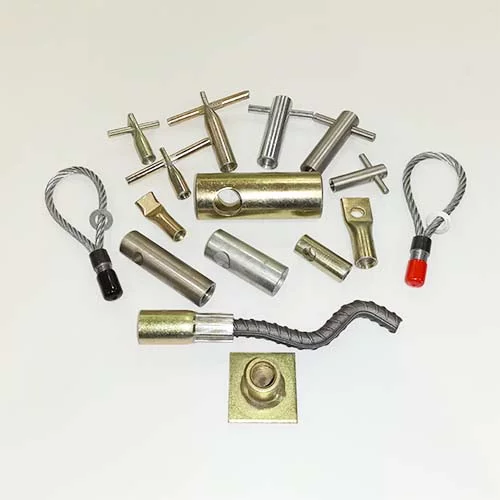
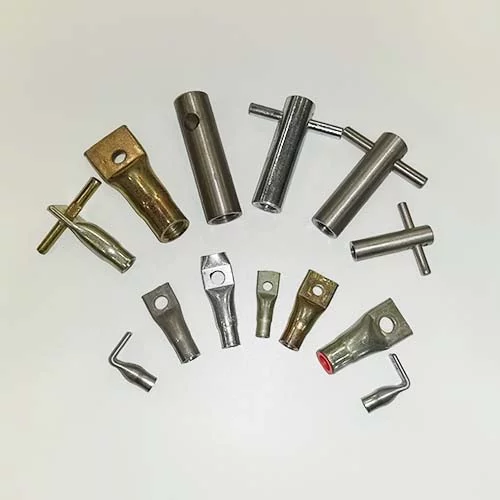
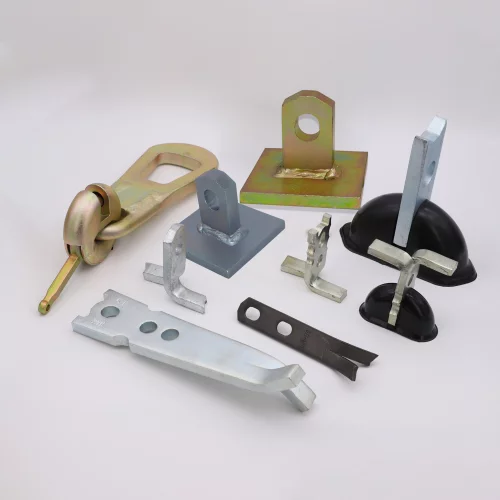
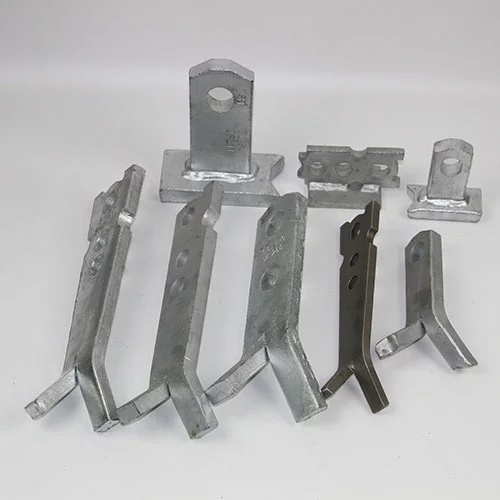
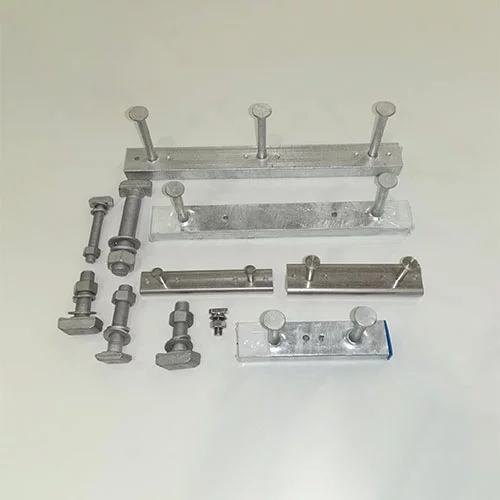
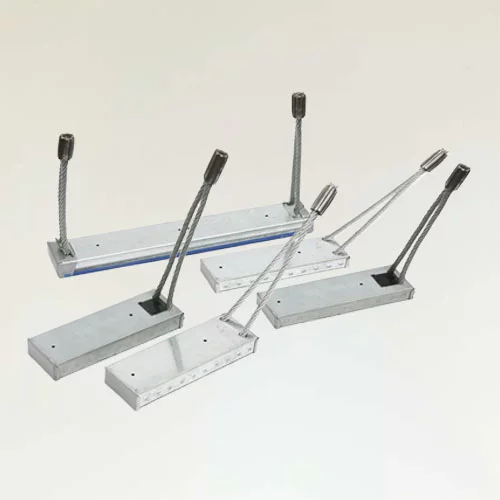
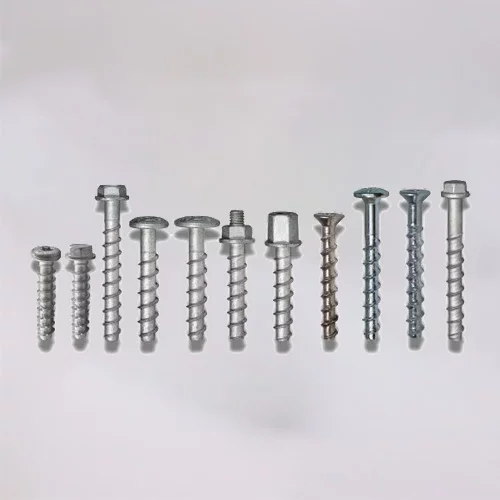
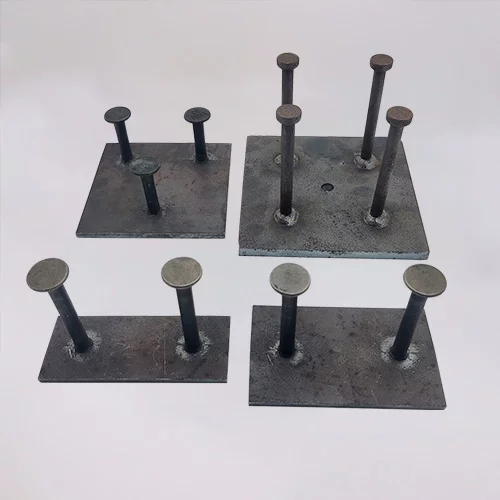

Two 5 Ton Lifting Anchors vs. One 10 Ton Anchor: Which Lifting Method Is Safer?

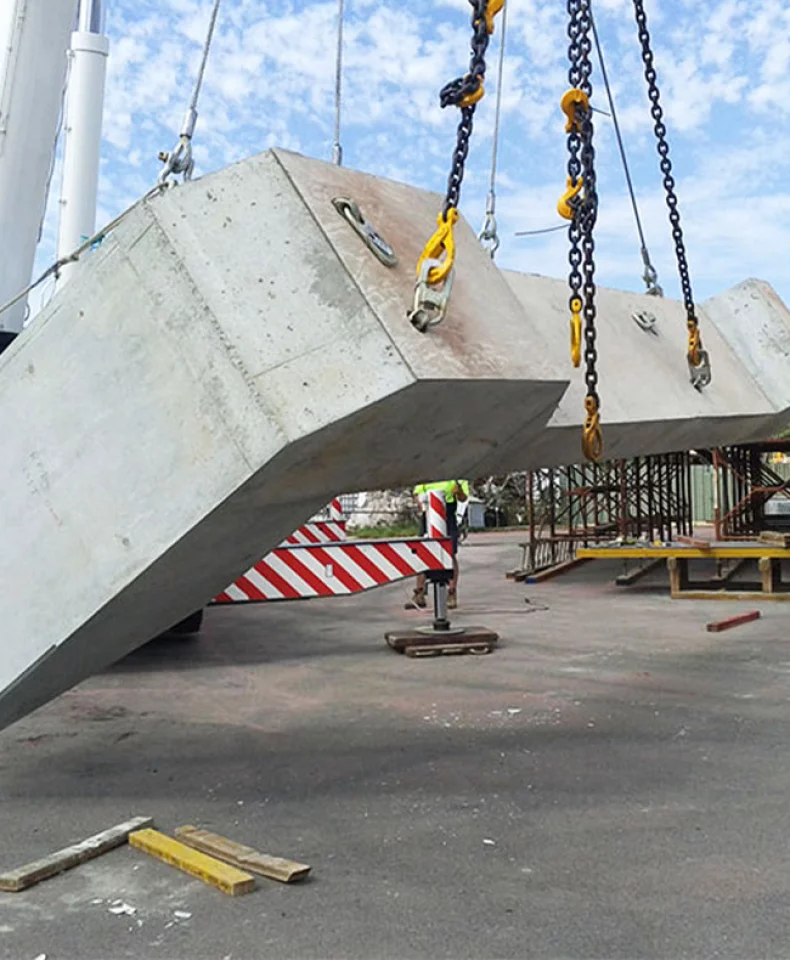
In the precast concrete industry, lifting heavy concrete blocks safely and efficiently is one of the most important stages of any project. Whether you are moving retaining wall blocks, barrier units, foundation components, or custom precast elements, the lifting system you choose directly affects safety, installation speed, and product quality.
Many contractors assume that a single 10 ton lifting anchor is the best solution for lifting a heavy concrete block because its capacity matches the load requirement. However, real-world construction experience often proves otherwise.
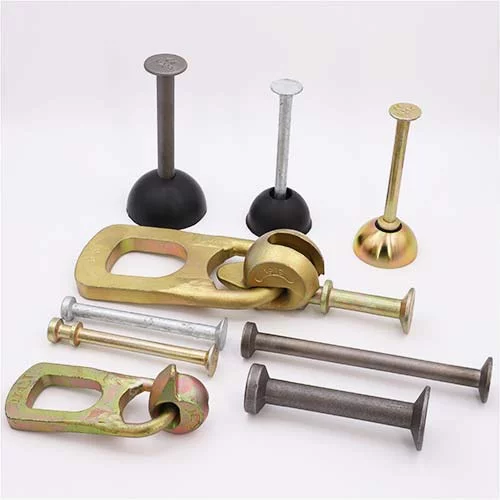
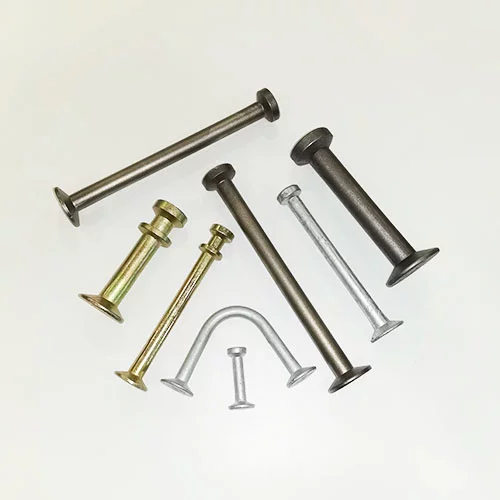
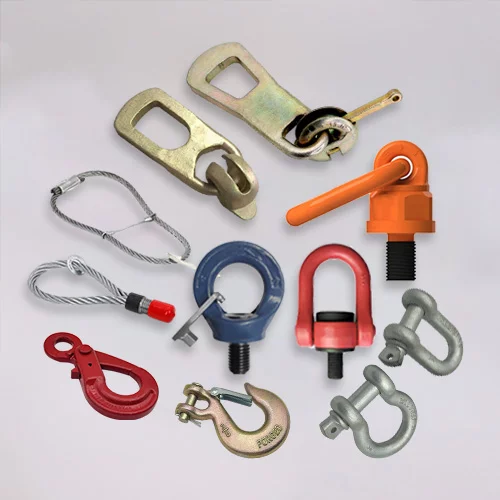
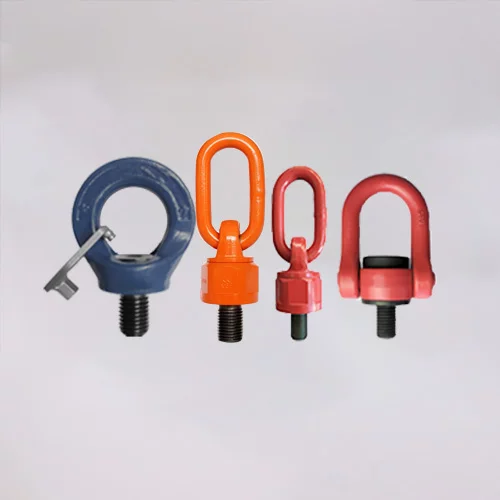
At HULK Metal, we frequently recommend using two 5 ton lifting anchors instead of one 10 ton lifting anchor whenever the design allows. While both options may provide sufficient lifting capacity, a dual-anchor lifting arrangement offers significant advantages in load distribution, stability, safety, and handling efficiency.
Let's explore why this practical lifting method has become the preferred choice for many precast concrete projects.
Understanding Load Distribution During Lifting
When a concrete block is lifted, the load generated is not simply the weight of the product. Dynamic forces created during lifting, transportation, and positioning can significantly increase stress on both the lifting anchor and the concrete itself.
Proper load distribution is essential for maintaining safety and preventing damage.
How Two Lifting Anchors Share the Load
With a single 10 ton lifting anchor, the entire weight of the concrete block is concentrated at one lifting point. Every force generated during lifting acts through that single anchor location.
When two 5 ton lifting anchors are used, the load is divided between two lifting points. Each anchor carries only part of the total load, reducing the stress applied to both the anchor and the surrounding concrete.
This balanced force distribution creates a more reliable lifting system and helps prevent localized stress concentrations.
Instead of forcing one area of the concrete element to absorb the entire lifting force, the load is spread across a larger section of the structure.
Benefits of Balanced Weight Transfer
Balanced weight transfer offers several important advantages:
Reduced stress on each anchor.
Lower stress concentration within the concrete.
More predictable lifting behavior.
Improved lifting efficiency.
Better protection of structural integrity.
When forces are distributed evenly, lifting becomes smoother and easier to control. Operators can position the load with greater confidence because the concrete element responds more predictably during movement.
This improved control becomes especially important when handling large precast components in crowded construction environments.
Preventing Rotation and Tilting of Concrete Blocks
One of the most common challenges during lifting operations is controlling load movement.
Even when a concrete block appears symmetrical, slight variations in reinforcement placement, embedded components, or manufacturing tolerances can shift the center of gravity.
These small differences can create significant lifting challenges.
The Risks of Single-Point Lifting
A single lifting point essentially creates a pivot point.
If the center of gravity is not perfectly aligned with the lifting anchor, the concrete block may:
Rotate unexpectedly.
Tilt during lifting.
Swing excessively.
Become difficult to position accurately.
In many cases, workers must manually guide the load to prevent unwanted movement.
This increases installation time and exposes personnel to additional safety risks.
The larger and heavier the concrete block becomes, the more difficult it is to control rotational movement using only one lifting point.
Even experienced crane operators can struggle to achieve perfect balance when using a single anchor system.
How Dual Lifting Anchors Improve Stability
Using two 5 ton lifting anchors creates a much more stable lifting arrangement.
Instead of hanging from a single point, the concrete block is supported at two locations. This wider support base naturally improves balance and minimizes unwanted movement.
Benefits include:
Reduced rotation during lifting.
Lower risk of tilting.
Improved load stability.
Less swinging.
Easier alignment during placement.
As the block leaves the ground, it remains more level and controlled.
The crane operator can move the load smoothly without constantly compensating for rotation or imbalance.
This allows installers to place the concrete block more accurately and with fewer adjustments.
For projects involving multiple precast elements, this improved stability can save significant installation time.
Improving Job Site Safety
Safety remains the top priority on every construction site.
Heavy concrete elements often operate near workers, equipment, existing structures, and completed installations. Any uncontrolled movement can create serious hazards.
A properly designed lifting system plays a critical role in reducing risk.
Increased Safety Margin with Two Lifting Anchors
One major advantage of using two lifting anchors is increased redundancy.
Although both anchors are designed to share the load, having two lifting points provides an additional level of security during lifting operations.
Unexpected conditions can occur, including:
Sudden load shifts.
Wind forces.
Uneven lifting angles.
Dynamic movement during transportation.
With two anchors supporting the load, forces can be managed more effectively than when relying entirely on a single lifting point.
This additional support contributes to a safer lifting operation and helps maintain load stability under changing site conditions.
Reducing Operational Risks
A stable load is a safer load.
When concrete blocks remain balanced during lifting, operators experience greater control throughout the entire process.
This reduces the likelihood of:
Load swinging.
Unexpected rotation.
Contact with nearby structures.
Worker intervention near suspended loads.
Installation errors.
Every reduction in uncontrolled movement contributes to a safer working environment.
For contractors managing large-scale precast installations, these safety improvements can significantly reduce project risks while increasing overall productivity.
Minimizing Damage to Precast Concrete Blocks
Precast concrete elements represent a substantial investment in materials, labor, and manufacturing resources.
Damage during lifting can lead to costly repairs, project delays, and customer dissatisfaction.
Selecting the correct lifting configuration helps protect both the product and the project schedule.
Lower Stress Concentration in Concrete
Concrete performs exceptionally well under compression but is more vulnerable when subjected to concentrated tensile forces.
When a single 10 ton lifting anchor carries the entire load, high stresses develop around the anchor location.
Over time, these concentrated forces may increase the risk of:
Surface cracking.
Edge damage.
Internal stress fractures.
Reduced long-term durability.
By using two 5 ton lifting anchors, lifting forces are distributed more evenly throughout the concrete element.
This reduces peak stress levels and helps preserve the structural integrity of the product.
The result is a safer lifting operation and a higher-quality finished installation.
Faster and More Accurate Placement
Dual lifting points not only protect the concrete but also improve placement accuracy.
Because the load remains balanced:
Fewer crane adjustments are required.
Positioning becomes more precise.
Installation crews work more efficiently.
Less manual guidance is needed.
In many situations, a concrete block lifted from a single anchor requires workers to manually stabilize or rotate the load before placement.
With two lifting anchors, the block often remains properly oriented throughout the lifting process.
This enables faster installation while reducing labor requirements.
The improved control also minimizes the possibility of accidental impacts between adjacent concrete units during placement.
A Practical Lifting Solution Proven in Real Projects
The recommendation to use two 5 ton lifting anchors is not simply a theoretical engineering preference.
It is based on practical experience gained from real-world construction projects.
Every day, contractors encounter challenges that cannot be fully predicted during the design phase.
Site conditions, weather, crane positioning, and installation constraints all affect lifting performance.
Lessons from Real Construction Sites
Experienced precast contractors consistently prioritize stability and control over simply matching lifting capacity.
Many project managers prefer dual lifting points because they provide:
Better load balance.
Easier handling.
Improved worker safety.
Faster installation.
Reduced product damage.
These benefits become particularly valuable when lifting large concrete blocks that require precise placement.
In many projects, the time saved through improved handling can outweigh the small additional cost associated with installing a second lifting anchor.
Better control often translates directly into higher productivity and lower overall project costs.
HULK Metal's Recommendation
At HULK Metal, our goal is not only to provide high-quality lifting anchors but also to help customers develop safer and more efficient lifting solutions.
For many precast concrete applications, two 5 ton lifting anchors offer clear advantages over a single 10 ton lifting anchor.
This lifting configuration helps:
Improve load distribution.
Increase lifting stability.
Enhance job site safety.
Reduce concrete damage.
Accelerate installation efficiency.
Our engineering and production teams work closely with customers to select the most suitable lifting systems based on project requirements, concrete dimensions, and expected lifting conditions.
By combining reliable products with practical lifting expertise, we help contractors achieve safer and more successful project outcomes.
Choosing a lifting anchor is about much more than selecting a product with sufficient capacity. True lifting performance depends on how effectively the load is controlled throughout the entire lifting operation.
While a single 10 ton lifting anchor may provide the required lifting strength, two 5 ton lifting anchors often deliver superior performance in real-world applications.
By distributing loads more evenly, reducing stress concentration, improving stability, increasing safety margins, and minimizing the risk of concrete damage, dual lifting points provide a smarter and more efficient solution for handling heavy precast concrete blocks.
For contractors seeking safer lifting operations, more accurate placement, and improved project efficiency, using two 5 ton lifting anchors is often the better choice.
At HULK Metal, we are committed to providing dependable lifting anchor solutions that help customers lift with confidence, improve productivity, and achieve long-term success in every precast concrete project.
Article Navigation
PRECAST CONCRETE ACCESSORIES
OTHER RELATED ARTICLE
Other Precast Concrete Accessories You Might Want to Know
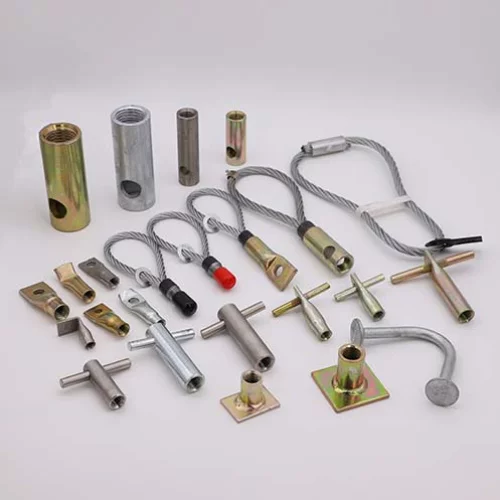
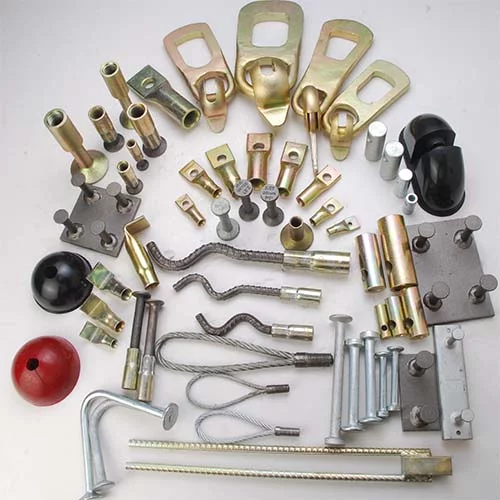
You can click to learn more about HULK Metal precast concrete accessories such as lifting anchors, precast sockets, spread anchors, shuttering magnets, cast-in channels, wire loop boxes, and other precast concrete accessories you might want to know.