

Lifting Anchor vs Lifting Loop: Which Is Safer for Precast Concrete?

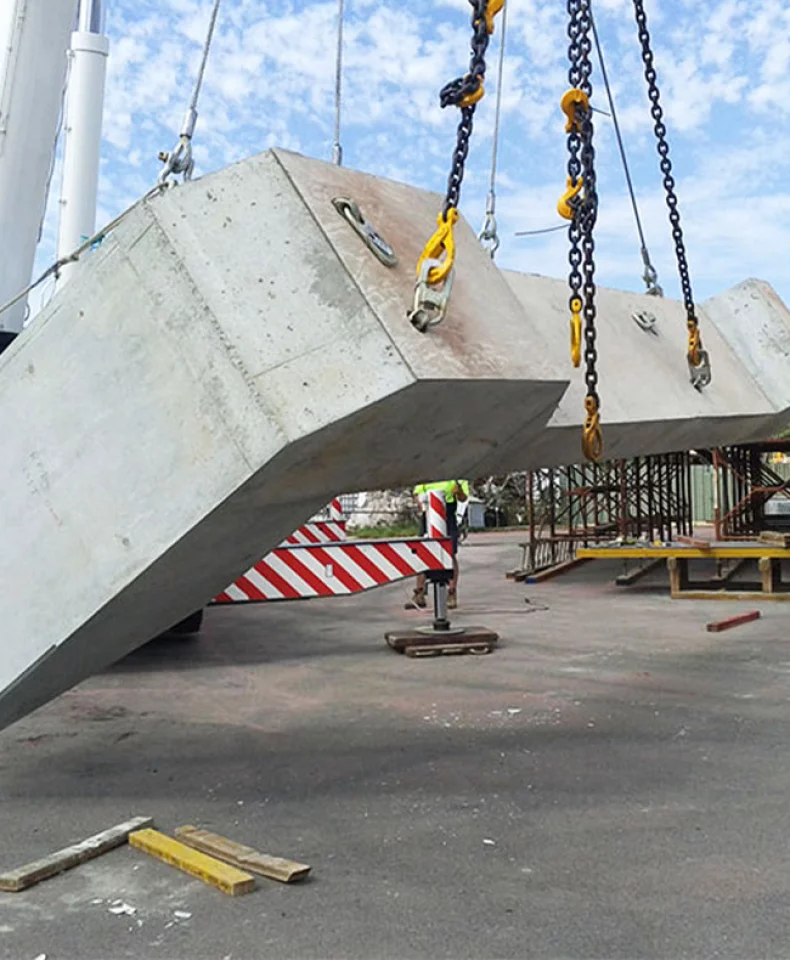
Safe lifting is one of the most important factors in precast concrete production and construction. Every day, manufacturers and contractors lift wall panels, beams, bridge segments, utility structures, and other heavy components. Choosing the wrong lifting system can result in damaged products, project delays, increased costs, and serious safety risks.
Two common lifting solutions used across the industry are lifting anchors and lifting loops. While both are designed to create lifting points, they serve different purposes and perform best in different situations.
The key question is not simply which product is stronger, but which solution is safer for your specific application. Understanding how each system is used can help engineers, contractors, and buyers make the right decision.
In this article, we'll compare lifting anchors and lifting loops, focusing on their practical applications, advantages, and safety considerations.
What Is a Lifting Anchor?
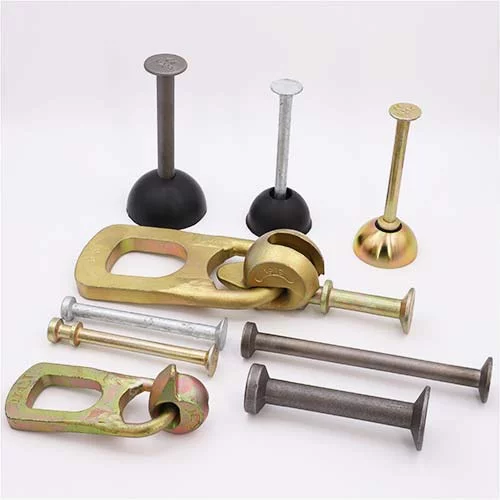
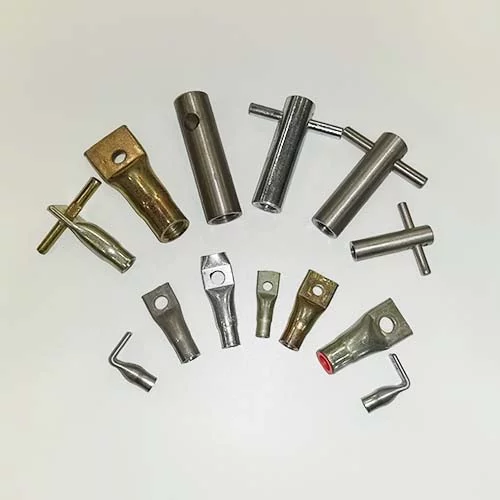
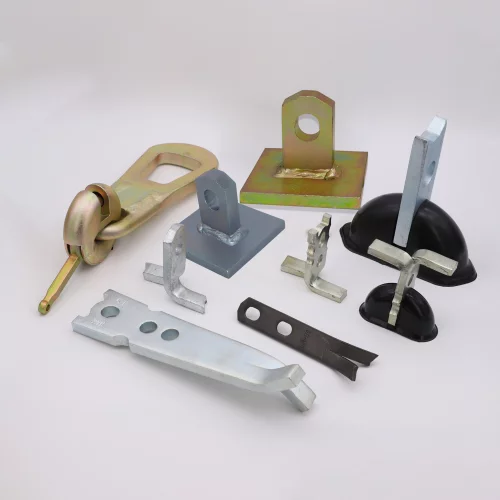
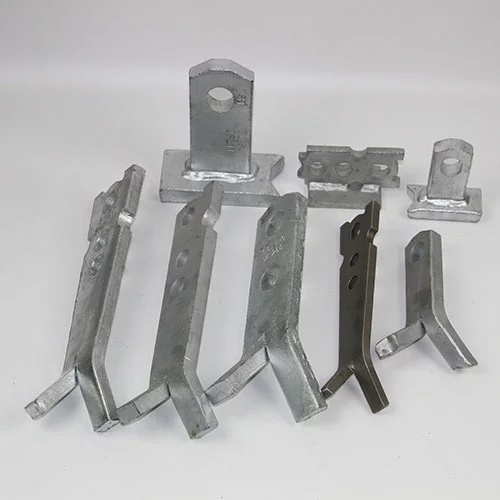
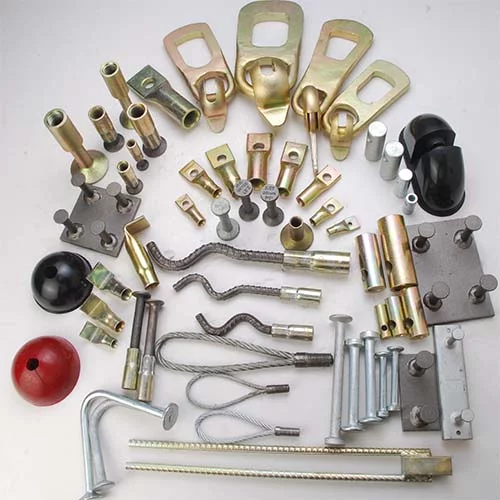
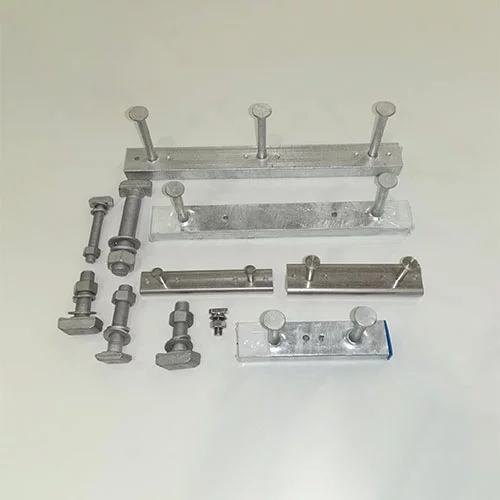
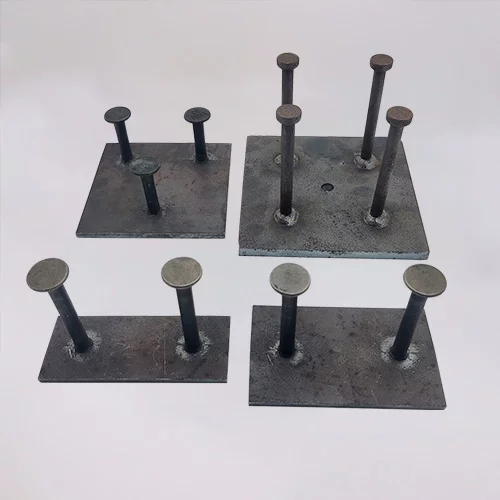
A lifting anchor is a specially designed steel component embedded into a concrete element during casting. Once the concrete reaches the required strength, a compatible lifting clutch can be attached to the anchor, creating a secure connection for lifting and transportation.
The anchor becomes a permanent part of the concrete element and is engineered to transfer lifting forces safely into the structure.
Lifting anchors are commonly used in:
Precast concrete wall panels
Structural beams and columns
Bridge segments
Tunnel components
Heavy infrastructure projects
Because they are designed as complete lifting systems, lifting anchors provide high load capacity, reliable load transfer, and excellent lifting control.
What Is a Lifting Loop?
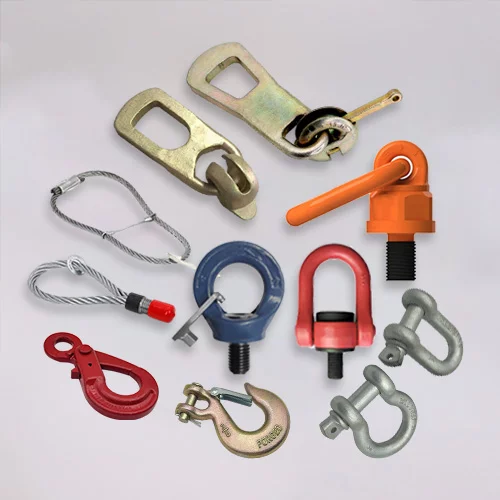
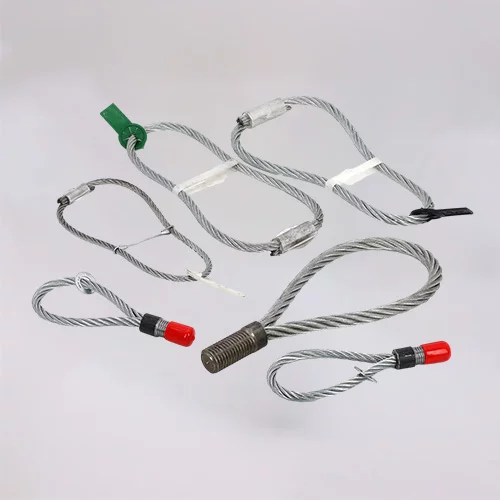
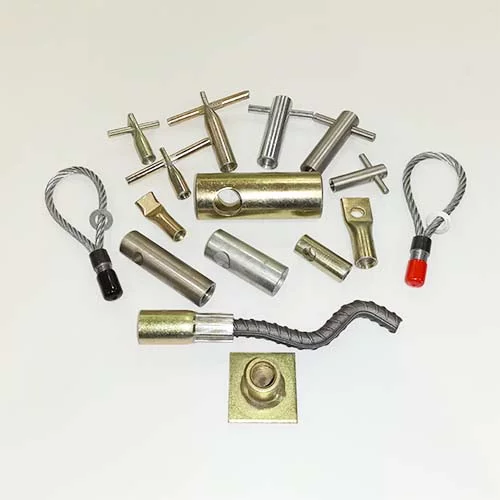
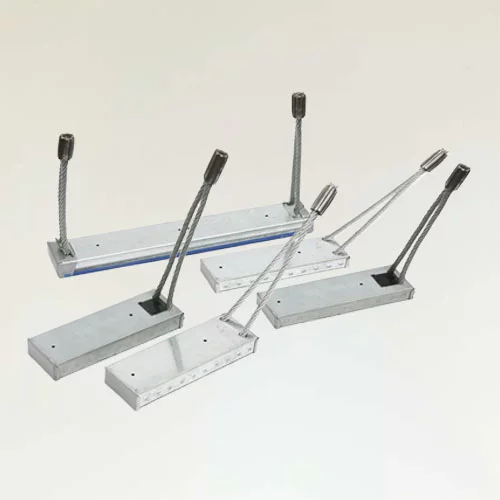
A lifting loop is typically made from high-strength steel wire rope and is commonly used together with a lifting socket embedded in the concrete.
During lifting operations, the loop is threaded into the socket, creating a temporary lifting point. After installation, the loop can be removed, leaving only the embedded socket inside the concrete element.
This system is widely used because of its simplicity, flexibility, and cost-effectiveness.
Typical applications include:
Utility chambers
Drainage products
Small precast units
Mechanical equipment handling
Temporary lifting operations
Unlike lifting anchors, lifting loops are often chosen for projects where lifting points may need to be removed or relocated.
Lifting Anchor vs Lifting Loop: Understanding the Difference
Although both systems perform lifting functions, they are designed for different working conditions.
Lifting anchors are engineered for permanent integration into the concrete element and are often used in heavy-duty applications.
Lifting loops are designed to provide flexible and temporary lifting points, making them suitable for lighter loads and less demanding lifting tasks.
The safest choice depends largely on how the component will be handled throughout its lifecycle.
When Should You Use Lifting Anchors?
Lifting anchors are generally the preferred solution when safety, load capacity, and long-term reliability are critical.
Production and Lifting of Precast Concrete Components
Modern precast plants frequently manufacture large wall panels, beams, columns, and bridge sections that require multiple lifting operations before reaching the job site.
These components may be lifted during:
Demolding
Storage
Transportation
Installation
Because lifting anchors are designed for repetitive lifting cycles, they provide consistent performance throughout the entire process.
Permanent Lifting Points for Structural Applications
Certain structures require fixed lifting points that become part of the finished component.
Examples include:
Heavy equipment foundations
Industrial structures
Infrastructure components
In these situations, lifting anchors provide a reliable long-term solution.
Lifting Extremely Heavy Components
As precast elements become larger and heavier, lifting demands increase significantly.
Heavy wall panels, bridge segments, and large structural units often exceed the capabilities of standard lifting systems.
Lifting anchors are specifically engineered to handle these high loads safely while maintaining stability during lifting.
Repetitive Hoisting Operations
Some projects require components to be lifted numerous times throughout manufacturing and construction.
Repeated lifting places additional demands on the lifting system.
Because lifting anchors are designed and tested for these conditions, they are often selected for projects with strict safety and performance requirements.
High-Precision Components
Architectural panels and engineered concrete products often have tight dimensional tolerances.
In many cases, drilling or modifying the concrete after production is not permitted.
Since lifting anchors are installed during casting, they eliminate the need for post-installation modifications and help protect the integrity of the finished product.
When Should You Use Lifting Loops?
While lifting anchors dominate many heavy-duty applications, lifting loops remain an excellent choice in a wide range of situations.
Temporary Handling and Loading Operations
Many lifting tasks only require temporary lifting points.
Examples include:
Machinery handling
Equipment loading
Pipe transportation
Structural steel movement
In these situations, lifting loops provide a simple and practical solution.
Emergency On-Site Lifting
Construction sites often present unexpected challenges.
When pre-installed lifting points are unavailable or drilling and anchoring are impractical, lifting loops can provide a flexible alternative.
Their quick installation allows contractors to respond efficiently to changing site conditions.
Irregularly Shaped Components
Not every component has a simple geometry.
Equipment, mechanical assemblies, and custom structures often require lifting from multiple angles.
Lifting loops are well suited for these situations because they can accommodate a wider range of lifting configurations.
Short-Term Projects
For projects involving occasional lifting operations, investing in more complex lifting systems may not always be necessary.
Lifting loops offer an economical solution for:
Temporary construction projects
Maintenance work
Equipment relocation
Low-frequency lifting operations
Light-to-Medium Load Applications
Many routine lifting tasks do not require extremely high load capacities.
For standard precast products and medium-weight components, lifting loops often provide sufficient strength while keeping costs under control.
Which System Offers Better Safety?
Safety is influenced by several factors, including load capacity, lifting conditions, operator experience, and equipment quality.
However, when comparing the two systems directly, lifting anchors generally provide a higher level of lifting security.
Why Lifting Anchors Are Often Considered Safer
Engineered specifically for concrete lifting
Designed for heavy loads
Secure connection through lifting clutches
Better load distribution within the concrete
Suitable for repetitive lifting operations
Greater compliance with demanding engineering specifications
These advantages make lifting anchors the preferred choice for large precast projects where failure is not an option.
Where Lifting Loops Excel
Lifting loops offer safety through simplicity.
They are effective when:
Loads remain within design limits
Lifting operations are straightforward
Temporary lifting points are needed
Flexibility is more important than maximum capacity
When properly selected and installed, lifting loops can provide safe and efficient lifting for many applications.
Why Choose HULK Metal for Precast Lifting Solutions?
HULK Metal supplies a complete range of precast lifting products designed to improve safety and efficiency.
Our product range includes:
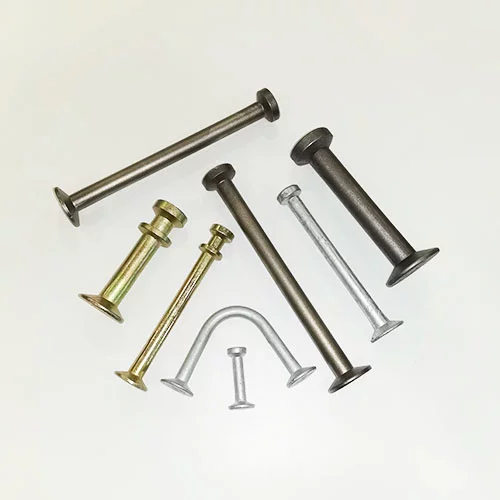
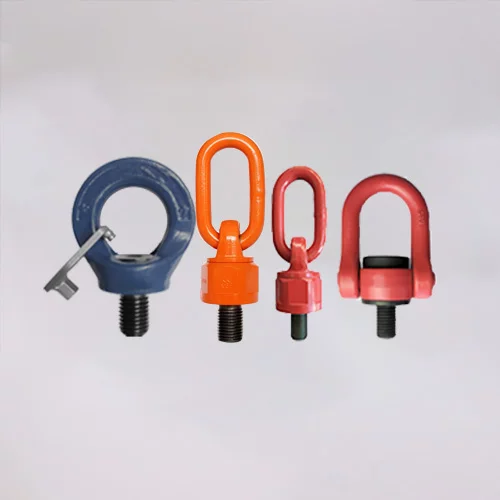
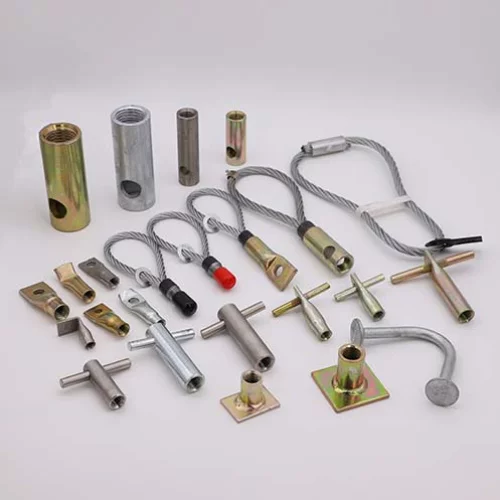
Lifting Eye Anchors
Utility Lift Anchors
Dog Bone Anchors
Lifting Sockets
Lifting Loops
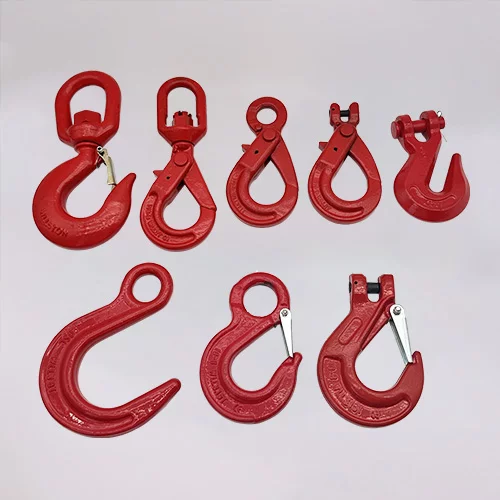
Lifting Clutches
We support customers with:
Strict Quality Control
Every product undergoes comprehensive inspection and testing before shipment.
Complete Supply Chain Management
From raw material sourcing to packaging and delivery, we control every step of production.
Custom Manufacturing Services
We can manufacture according to your drawings, specifications, and project requirements.
Reliable After-Sales Support
Our team provides replacement, replenishment, and technical assistance whenever needed.
Both lifting anchors and lifting loops play important roles in modern lifting operations.
If your project involves heavy precast concrete components, repetitive lifting cycles, permanent lifting points, or strict safety requirements, lifting anchors are typically the safer and more reliable choice.
If you need temporary lifting points, flexible rigging options, emergency lifting solutions, or cost-effective handling of light-to-medium loads, lifting loops can be an excellent alternative.
The safest lifting solution is not determined by the product alone—it is determined by selecting the right system for the job. By understanding the strengths of both lifting anchors and lifting loops, you can improve safety, efficiency, and project performance from start to finish.
Article Navigation
PRECAST CONCRETE ACCESSORIES
OTHER RELATED ARTICLE
Other Precast Concrete Accessories You Might Want to Know
You can click to learn more about HULK Metal precast concrete accessories such as lifting anchors, precast sockets, spread anchors, shuttering magnets, cast-in channels, wire loop boxes, and other precast concrete accessories you might want to know.