
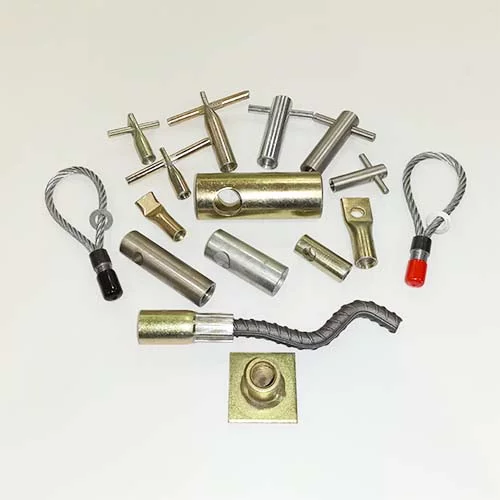
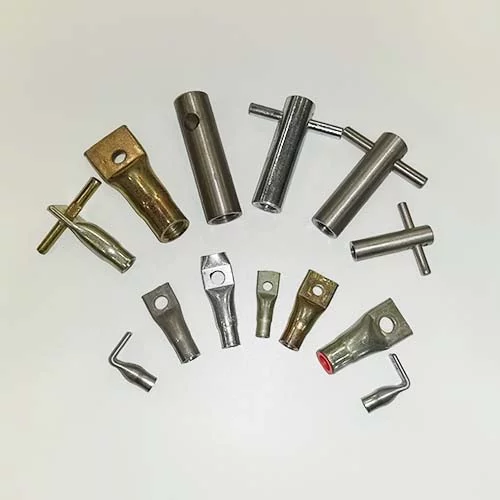
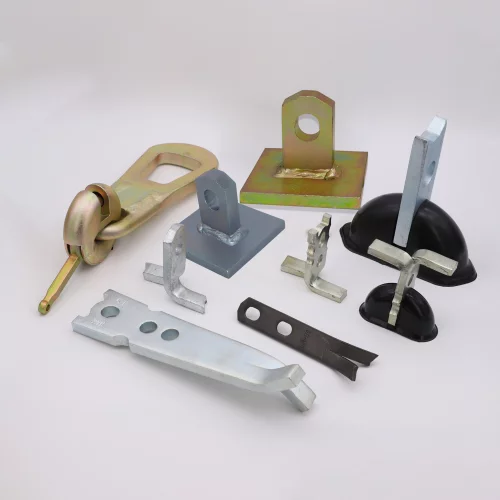
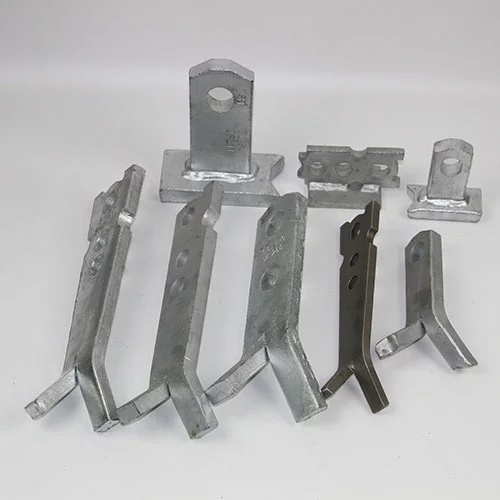

HULK Metal Lifting System — Safe and efficient lifting of precast concrete

In modern precast concrete construction, safe lifting solutions are no longer optional accessories—they are essential engineered systems that directly influence structural integrity, site safety, and project efficiency. As precast elements continue to grow in size, weight, and geometric complexity, traditional lifting methods using basic hooks or slings are increasingly inadequate.
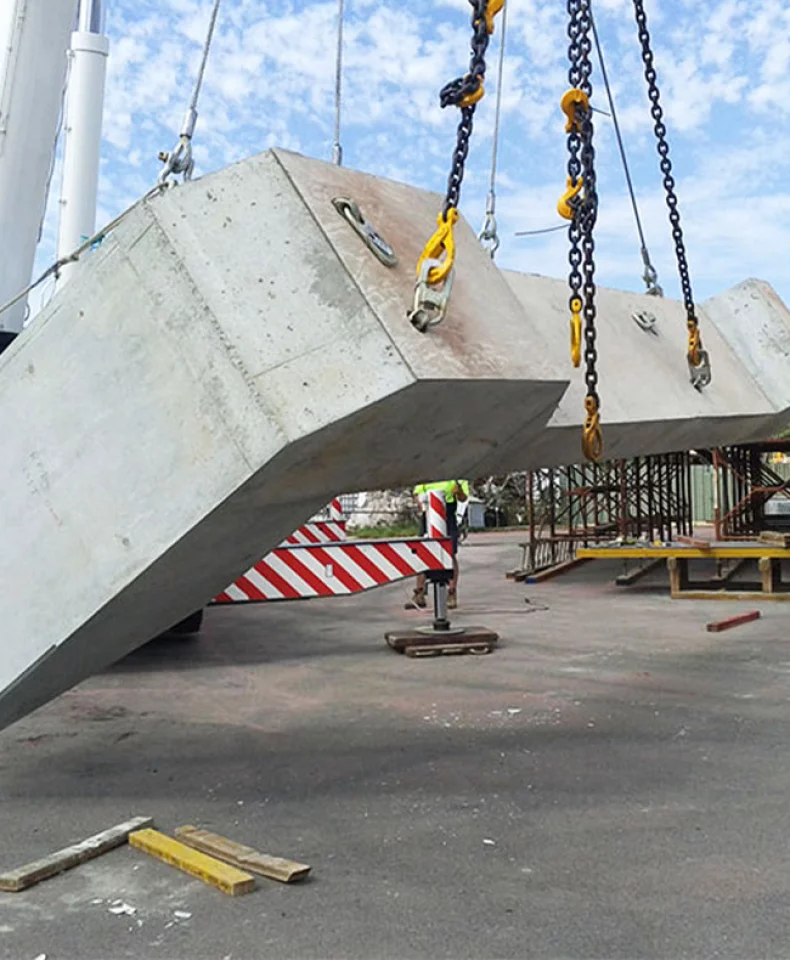
Precast wall panels, beams, columns, and slabs are typically manufactured off-site under controlled conditions and then transported for installation. During this process, lifting operations occur multiple times: demolding, yard handling, transportation loading, unloading, and final erection. Each lifting stage introduces potential risks if improper lifting solutions are used.
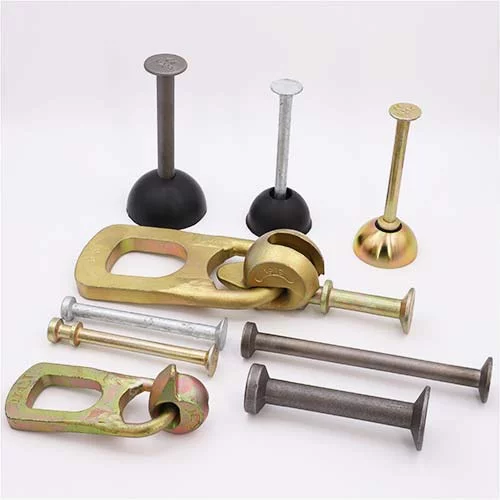
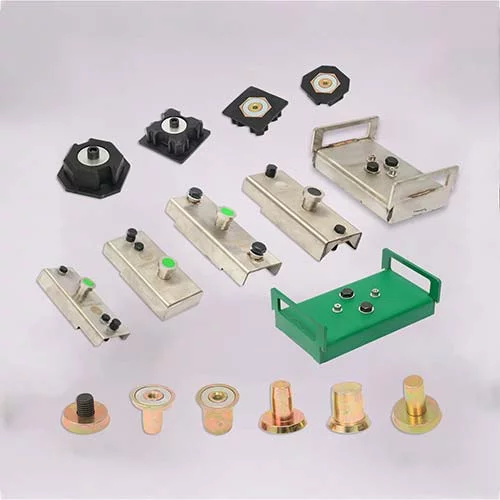
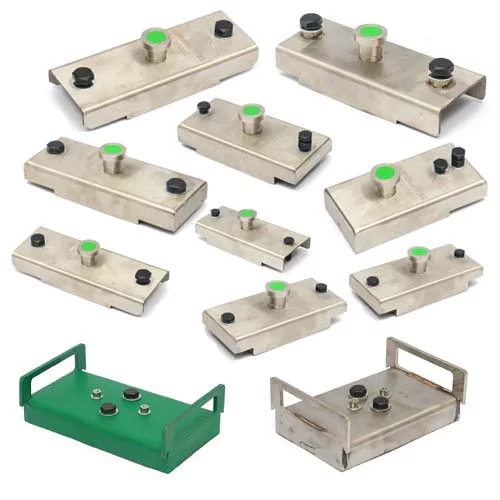
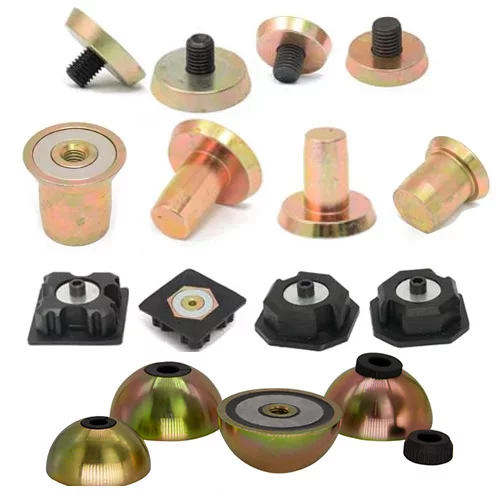
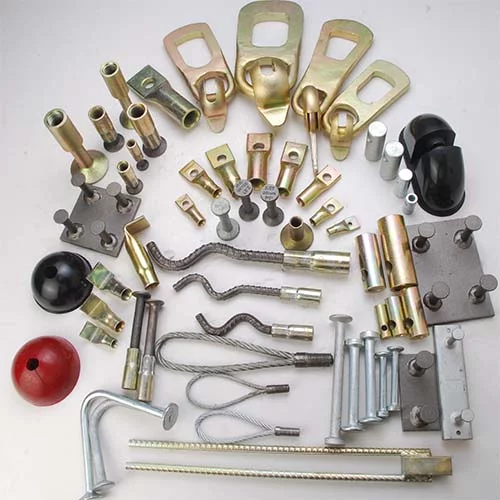
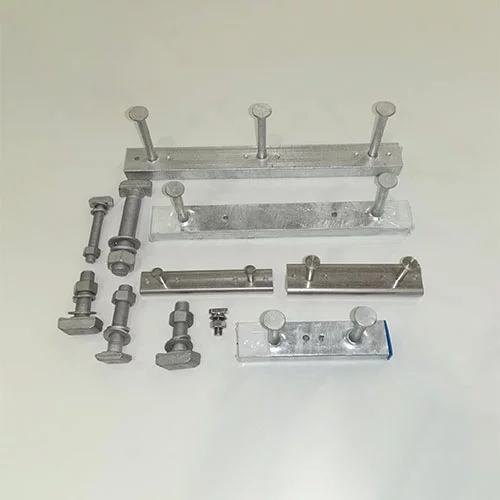
Engineered lifting systems—centered around lifting anchors, lifting clutches, spread anchors, and lifting ring clutches—are designed specifically to address these challenges. When properly selected and applied, they ensure predictable load transfer, minimize concrete stress, and significantly reduce the risk of accidents or structural damage.
Why Safe Lifting Matters in Precast Concrete Handling
Lifting precast concrete elements involves more than simply hoisting heavy loads. Concrete is strong in compression but relatively weak in tension, especially at early ages. Improper lifting methods can introduce tensile stresses that exceed design limits, leading to cracking, internal damage, or even sudden failure.
Common consequences of unsafe lifting include:
Micro-cracks that compromise long-term durability
Visible surface damage affecting architectural quality
Unexpected load shifts are causing equipment instability
Increased risk of worker injury and site accidents
Costly delays, repairs, or rejected components
Safe lifting solutions mitigate these risks by ensuring that lifting forces are transferred through designed load paths, rather than uncontrolled stress points. Purpose-designed lifting anchors, clutches, and inserts play a critical role in maintaining structural performance from factory to final installation.
Core Components of Safe Lifting Solutions
A reliable lifting system for precast concrete is not a single product but an integrated solution. It typically consists of:
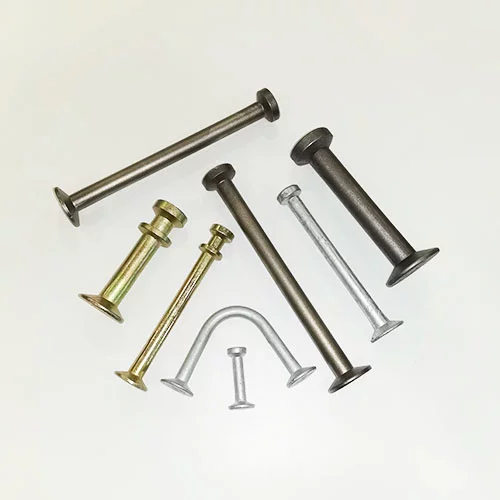
Lifting anchors embedded in the concrete
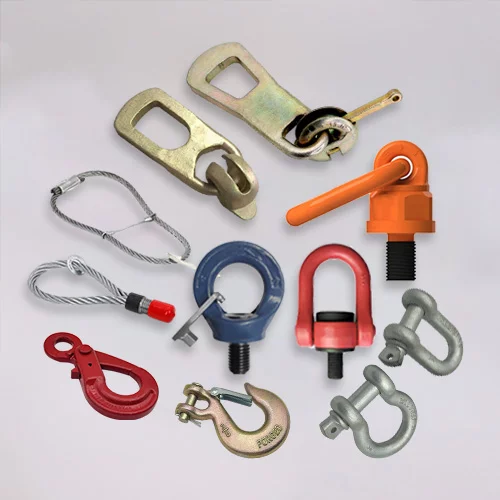
Lifting clutches that mechanically engage the anchors
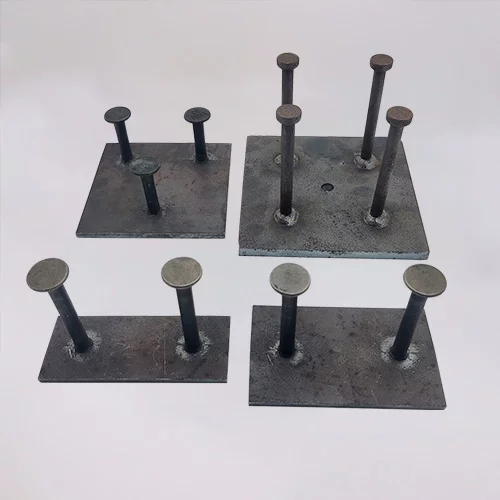
Spread anchors or spreader systems for load distribution
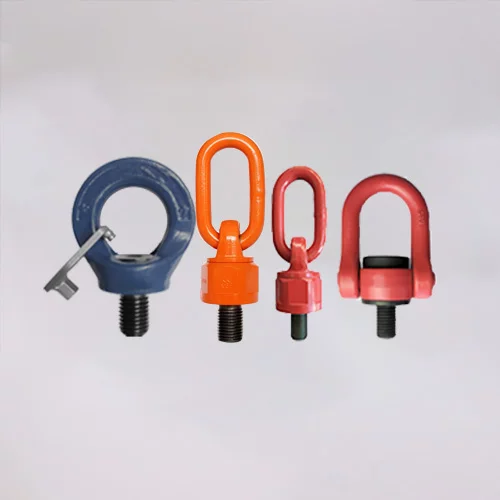
Lifting ring clutches for flat or thin elements
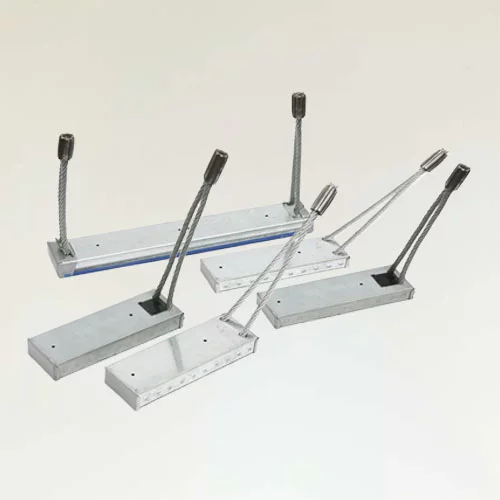
Supporting components such as lifting loops and lifting inserts
Each component must be compatible in terms of geometry, load rating, and application. Using mismatched components—such as pairing an anchor with an incompatible clutch—can significantly reduce safety margins and lead to unpredictable behavior during lifting.
Lifting Anchors: The Foundation of Safe Precast Lifting
Lifting anchors are the foundation of most engineered lifting systems. They are cast into the concrete during manufacturing and serve as the primary load transfer points between the precast element and the lifting equipment.
Function and Design Principles
A lifting anchor transfers tensile forces from the lifting device into the concrete body and surrounding reinforcement. Properly designed anchors distribute loads evenly, minimizing localized stress concentrations.
Key design considerations include:
Anchor geometry and load capacity
Embedment depth and edge distance
Concrete strength at lifting age
Interaction with reinforcement
Applications
Lifting anchors are widely used for:
Precast wall panels
Beams and girders
Columns and heavy slabs
Infrastructure components
When installed according to design specifications and paired with compatible lifting clutches, lifting anchors provide a reliable and repeatable lifting solution throughout the product lifecycle.
Lifting Clutch: Secure Connection for Controlled Lifting
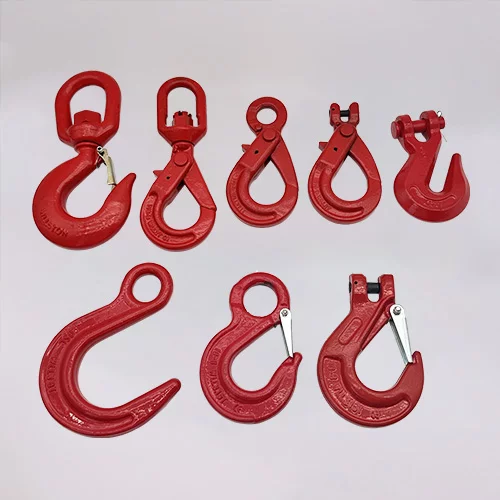
The lifting clutch is the mechanical interface between the crane hook and the embedded lifting anchor. It is designed to form a secure, load-rated connection that prevents accidental disengagement during lifting.
How Lifting Clutches Work
Lifting clutches engage with the anchor head through a positive locking mechanism. Once connected, the clutch ensures that lifting forces are applied along the intended axis, reducing eccentric loading and minimizing concrete stress.
Advantages of Lifting Clutches
Compared with traditional hooks or slings, lifting clutches offer:
Secure mechanical locking
Faster attachment and release
Reduced surface damage
Improved load control and stability
Lifting clutches are available in different load capacities to suit various precast elements, making them indispensable for safe and efficient handling of heavy components.
Spread Anchors: Balanced Load Distribution for Large Elements
Large or elongated precast elements often require more than one lifting point. In such cases, spread anchors or spread lifting systems are essential to ensure balanced load distribution.
Role of Spread Anchors
Spread anchors work by distributing lifting forces across multiple points, reducing bending moments and minimizing tensile stress within the concrete. This is particularly important for long beams, wide panels, and heavy slabs.
Benefits
Prevents excessive deflection during lifting
Reduces cracking risk
Enhances stability during hoisting
Allows controlled handling of oversized elements
By integrating spread anchors into the lifting design, engineers can safely manage complex load geometries and avoid overstressing individual anchors.
Lifting Ring Clutch: Stability for Flat and Thin Precast Elements
Flat precast elements such as wall panels and slabs present unique lifting challenges. Their geometry makes them susceptible to tilting and uneven load distribution if lifted improperly.
Design and Function
A lifting ring clutch is specifically designed to align lifting forces with flat lifting anchors embedded in the concrete. The ring geometry allows controlled articulation, reducing stress concentrations at the lifting point.
Key Advantages
Minimizes tilting during lifting
Ensures even force distribution
Reduces risk of cracking in thin elements
Ideal for architectural and façade panels
Lifting ring clutches are widely used where surface quality, dimensional accuracy, and controlled handling are critical.
Supporting Lifting Components: Lifting Loops and Lifting Inserts
In addition to anchors and clutches, certain applications require supporting lifting components such as lifting loops and lifting inserts.
Lifting Loops
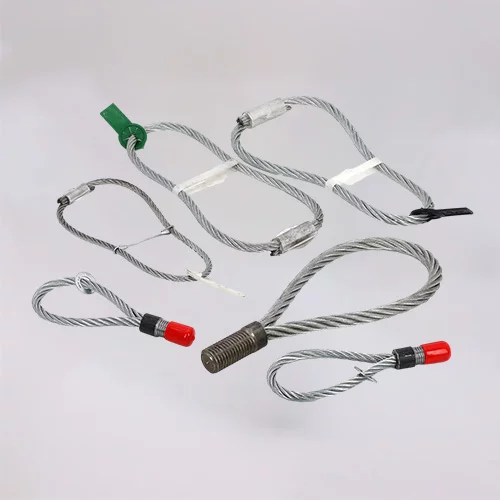
Lifting loops are typically used for light to medium-duty applications. They offer flexibility and ease of installation, especially where simple lifting configurations are sufficient.
Lifting Inserts
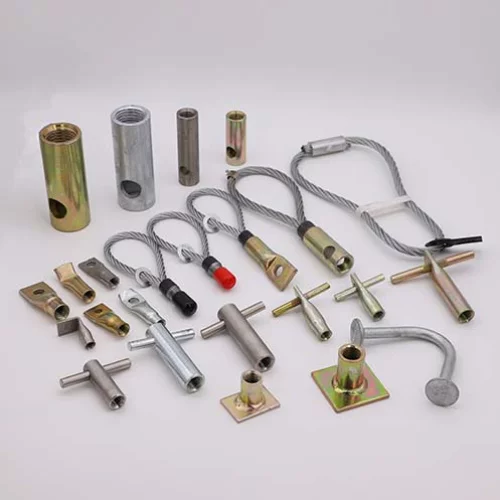
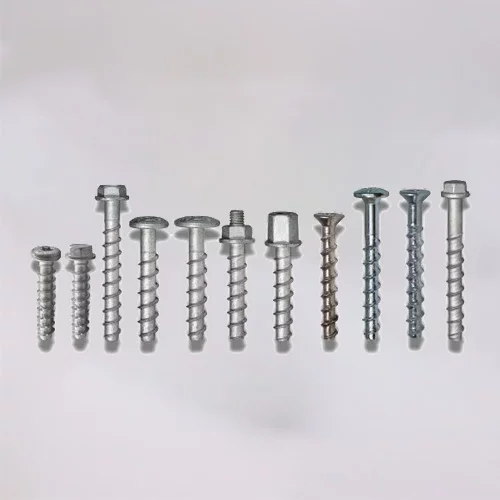
Lifting inserts provide threaded lifting points that allow reusable lifting accessories to be attached and removed. They are commonly used when adjustability or multiple lifting cycles are required.
Selection Considerations
The choice between lifting loops, lifting inserts, or anchors depends on:
Load requirements
Element geometry
Surface finish requirements
Frequency of lifting operations
Key Design Considerations for Safe Lifting Systems
Designing safe lifting solutions requires careful engineering analysis. Critical factors include:
Load calculation: Accurate determination of element weight and dynamic forces
Safety factors: Adequate margins to account for uncertainties
Concrete strength: Verification of strength at lifting age
Lifting angles: Impact on force magnification
Number of lifting points: Balanced load distribution
Failure to consider these factors can compromise even the best-designed lifting hardware.
Quality and Manufacturing Standards for Lifting Components
The performance of lifting systems depends heavily on manufacturing quality. High-quality lifting anchors and clutches are produced using controlled forging or casting processes, followed by precision machining.
Quality Assurance Measures
Material traceability
Dimensional inspection
Load testing
Surface treatment for corrosion resistance
Compliance with international safety standards ensures consistent performance and long-term reliability in demanding construction environments.
Best Practices for On-Site Lifting Operations
Even the best lifting hardware must be used correctly on site. Best practices include:
Inspecting anchors and clutches before each lift
Ensuring proper engagement and locking
Performing test lifts to verify balance
Avoiding sudden or jerky movements
Training operators and rigging personnel
Proper procedures significantly reduce operational risks and extend the service life of lifting equipment.
Typical Applications of Engineered Lifting Solutions
Engineered lifting systems are widely used across precast construction sectors, including:
Residential and commercial buildings
Infrastructure projects such as bridges and tunnels
Industrial facilities
High-rise and large-scale developments
Each application benefits from tailored lifting solutions that address specific load and handling requirements.
Safe lifting solutions for precast concrete elements are the result of thoughtful engineering, high-quality manufacturing, and proper on-site execution. By combining lifting anchors, lifting clutches, spread anchors, and lifting ring clutches into an integrated system, construction professionals can achieve safe, efficient, and predictable lifting operations.
Supporting components such as lifting loops and lifting inserts further enhance flexibility and adaptability across different applications. Investing in engineered lifting solutions not only improves safety but also reduces long-term costs, minimizes damage, and ensures smooth project execution.
For precast concrete projects of any scale, selecting the right lifting system—and the right supplier—is a critical step toward success.
Article Navigation
PRECAST CONCRETE ACCESSORIES
OTHER RELATED ARTICLE
Other Precast Concrete Accessories You Might Want to Know
You can click to learn more about HULK Metal precast concrete accessories such as lifting anchors, precast sockets, spread anchors, shuttering magnets, cast-in channels, wire loop boxes, and other precast concrete accessories you might want to know.