From Factory to Jobsite: How Lifting Inserts Guarantee a Safer Precast Journey

In today’s rapidly evolving construction landscape, precast concrete has transformed the way buildings, bridges, and infrastructure are designed and assembled. By manufacturing components off-site under controlled conditions and transporting them to the construction site for installation, the precast method delivers unmatched advantages: fast project timelines, consistent quality, lower labor requirements, and superior environmental performance.
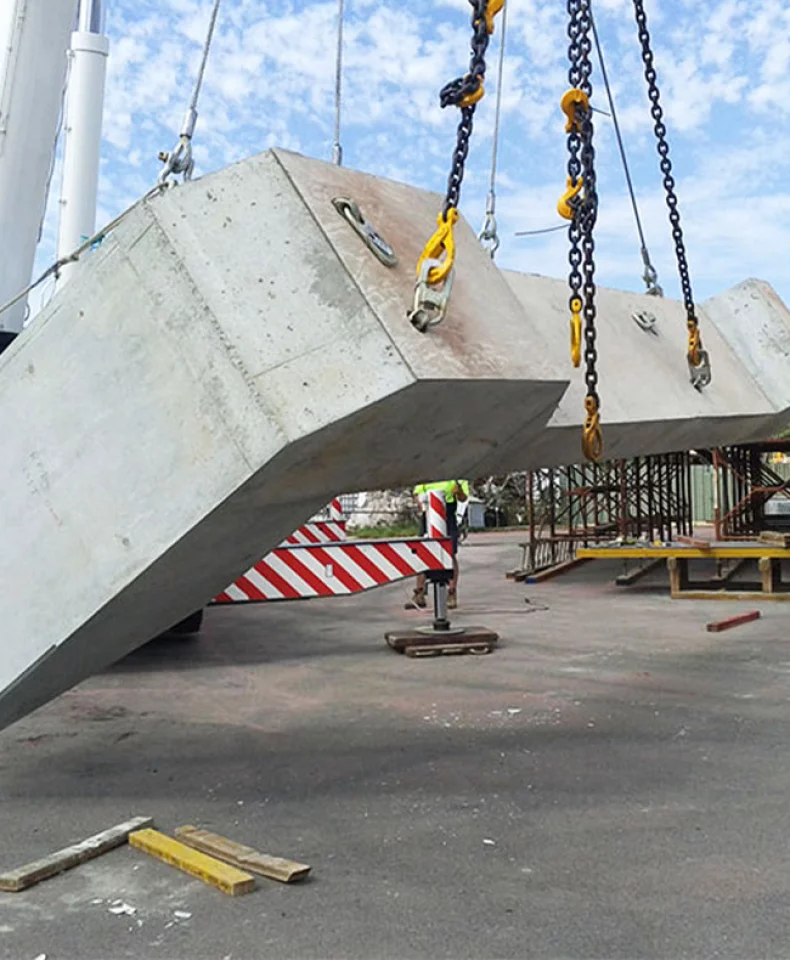
Yet, despite these benefits, the lifting and handling stage of precast concrete remains one of the most critical—and potentially hazardous—steps in the entire construction process. Every panel, staircase, slab, or beam must be lifted safely from the mold, transported within the factory, loaded onto trucks, unloaded on-site, and precisely positioned for installation. At the center of all these operations lies a small but essential component: the lifting insert.
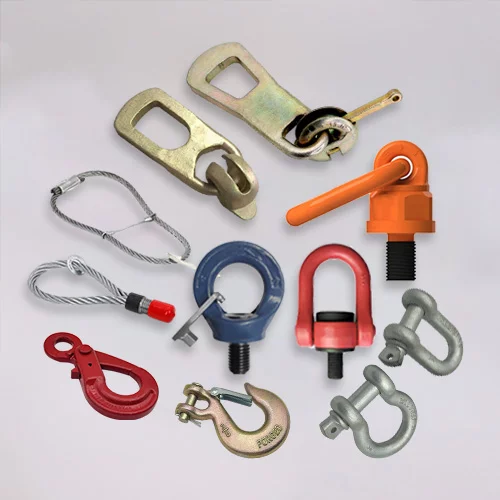
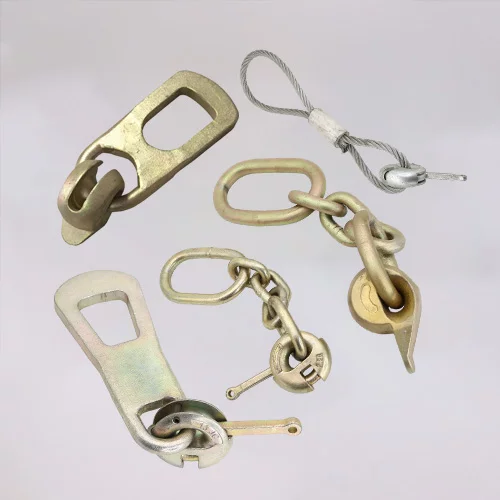
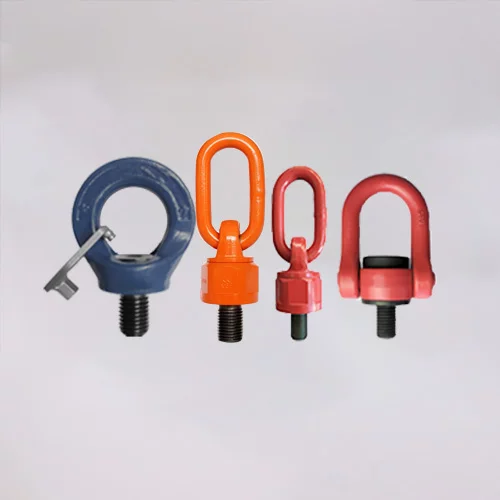
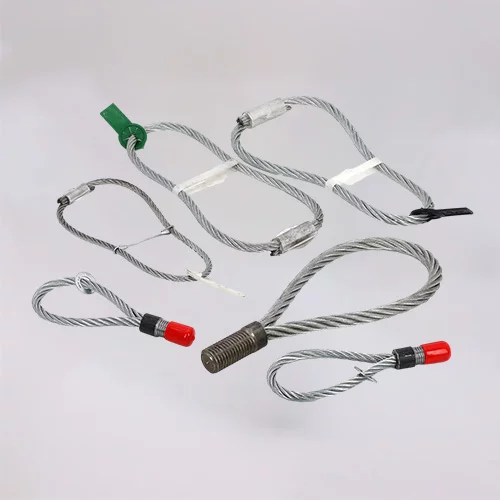
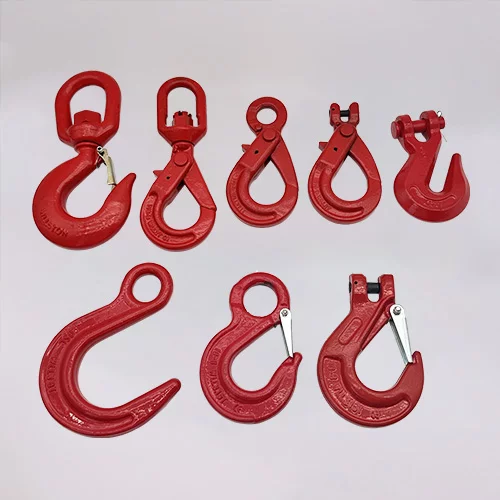
A lifting insert may appear simple, but its role is anything but. It connects heavy concrete elements to lifting devices, such as lifting loops or points, enabling reliable load transfer during movement. A failure at this point can cause structural damage, dangerous accidents, costly delays, and severe safety risks. For this reason, choosing the right heavy-duty lifting insert is fundamental to achieving safe lifting, optimized workflows, and high-quality project outcomes.
What Is a Lifting Insert?
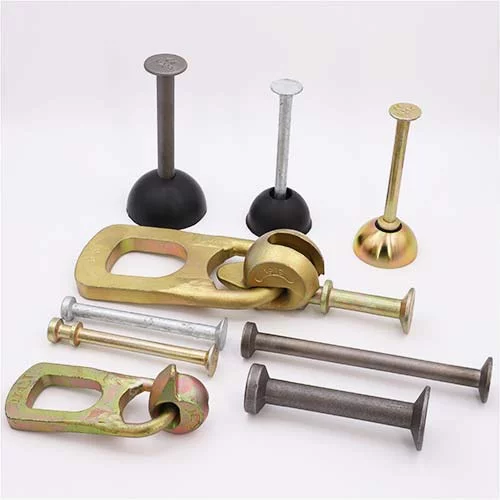
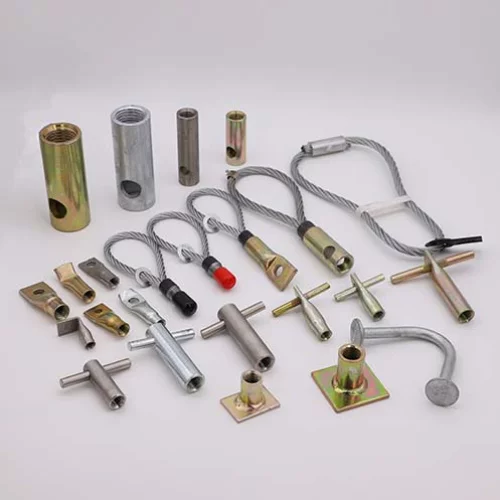
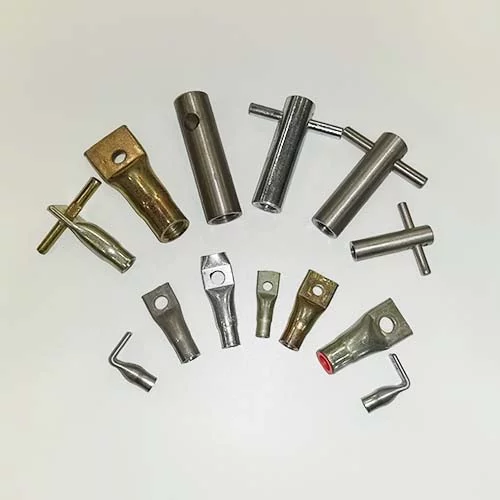
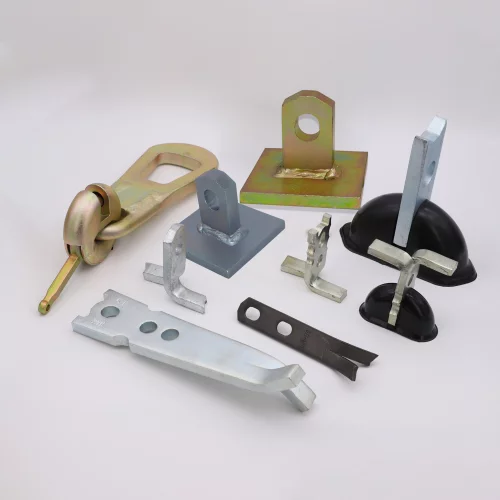
A lifting insert is a metal anchor embedded inside a precast concrete element during casting. Once the concrete cures, the insert serves as a permanent load-bearing connection point for lifting and positioning the component. Unlike temporary devices, lifting inserts become part of the concrete element itself, ensuring safe handling from factory to installation.
Wavy tail lifting socket introduced
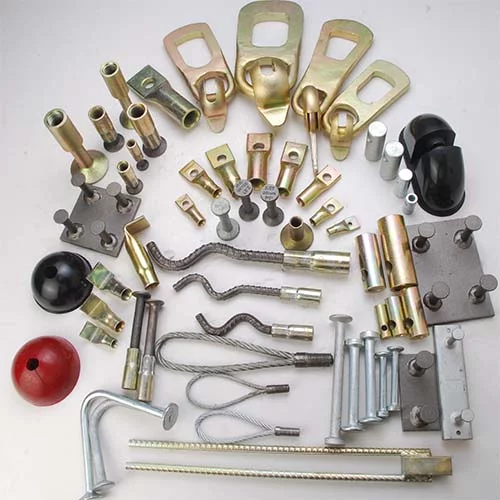
Threaded Socket System, including the widely used wavy tail lifting socket
These systems are designed to match various precast applications—from panels to heavy foundation blocks—and are manufactured with strict quality control to ensure repeatable, safe performance.
Why the wavy tail lifting socket design matters
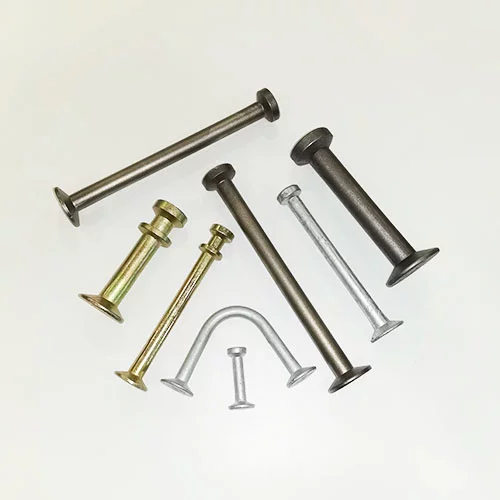
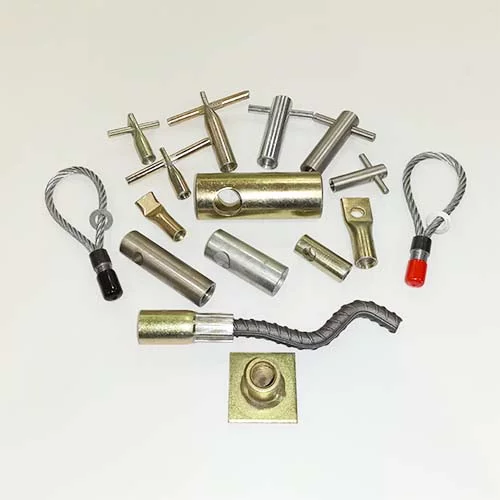
One of HULK Metal’s most reliable lifting insert solutions is the wavy tail lifting socket. This advanced insert consists of:
A high-precision threaded socket
A corrugated, wavy steel reinforcement bar swaged firmly to the end
While the wavy design may seem simple, its engineering purpose is powerful. The corrugation dramatically increases the insert’s mechanical bonding performance by:
Enlarging the contact surface area
Providing interlocking friction ribs
Enhancing the bond strength between steel and concrete
Ensuring stable load transfer without slippage
This configuration allows the lifting insert to resist not only direct tensile forces but also dynamic, multi-directional stresses that occur during crane lifting, rotation, and panel positioning.
HULK Metal offers these lifting inserts in sizes ranging from Rd12 to Rd52, each tuned to match different load requirements and concrete strengths. Every lifting insert is supplied factory-finished, ensuring consistency, accuracy, and zero risk of on-site fabrication errors.
Engineering Behind Safe Lifting Insert Performance
Reliable lifting is not achieved by chance—it is engineered through precise calculations, strict material selection, controlled manufacturing, and compliance with international standards such as EN 1992 (Eurocode 2).
Below is the science behind how a lifting insert achieves guaranteed safety:
Material Strength and Durability
Lifting inserts from HULK Metal are made from high-performance materials including:
Stainless Steel
Q345 Alloy Steel
Q235 Structural Steel
20# Carbon Steel
Each material is selected based on its ability to withstand loading, environmental exposure, and long-term performance requirements.
Performance Highlights:
Stainless steel: Exceptional corrosion resistance for marine, coastal, or highly humid environments.
Q345: Strong and economical, ideal for most general precast projects.
Q235 and 20# steel: Reliable and cost-effective options for moderate load applications.
Before leaving the factory, every lifting insert undergoes tensile testing and is verified to meet a minimum 3:1 safety factor, ensuring robust performance beyond its rated working load.
Concrete Interaction, Edge Distances & Embedment Depth
Even the strongest lifting insert cannot perform safely if incorrectly embedded in concrete. The concrete surrounding the insert must have enough strength and volume to resist splitting, breakout, or cracking during lifting.
Two essential engineering parameters govern proper installation:
Minimum edge distance (er)
This ensures the lifting insert is positioned far enough from the concrete edge to prevent splitting or edge breakout.
Minimum embedment depth (ez)
This guarantees sufficient bond and anchorage length for safe load transfer.
For example:
An Rd20 lifting insert requires er = 50 mm and ez = 550 mm.
Failing to meet these values can cause dangerous failures during lifting.
To further improve safety, additional reinforcement—such as anchorage bars, mesh, or diagonal stirrups—must be placed around the insert, especially in panels lifted at an angle.
Reinforcement for Angled & Complex Lifting
When lifting at angles greater than 15°, concrete is exposed to increased shear forces. To prevent shear cracking:
Reinforcement must be placed directly against the lifting insert
Diagonal steel bars must be positioned opposite the load direction
Mesh reinforcement must cover the insert to transfer tensile forces evenly
This reinforcement strategy ensures that the lifting insert works as a unified system with the concrete, distributing loads safely throughout the element.
Applications of Heavy-Duty Lifting Inserts
Lifting inserts are engineered for nearly all types of precast elements used in modern construction, including:
Building panels
Hollow-core slabs
Staircases
Precast beams and columns
Utility vaults
Foundation blocks
Retaining wall panels
Tunnel segments
Bridge components
Customized precast shapes
Each application demands precise insert selection, correct concrete cover, and professionally designed reinforcement to ensure complete lifting safety.
Why Choosing the Right Lifting Insert Matters
A properly selected lifting insert enhances the entire precast workflow:
Improved lifting safety
Reduces risks of cracks, spalling, or catastrophic lifting failures.
Higher efficiency
Prevents delays, simplifies crane operations, and allows faster installation.
Better product quality
Minimizes panel damage, surface cracking, or post-installation repair work.
Lower total project cost
Safe, predictable lifting protects both materials and the workforce.
Compatibility with advanced construction methods
Supporting automated precast production lines and complex architectural designs.
HULK Metal: Your Reliable Partner for High-Performance Lifting Inserts
As a full-chain manufacturer with strong technical expertise, HULK Metal ensures:
Strict material selection
Advanced forging, machining, and threading processes
100% dimensional inspection
Load testing before shipment
CE-compliant production
Technical support for installation and reinforcement design
With a powerful supply chain covering raw materials, production, quality control, packaging, and global logistics, HULK Metal delivers lifting inserts that meet international standards and satisfy demanding project requirements worldwide.
In precast construction, the lifting insert plays an indispensable role. Although small, its engineering significance is immense. A reliable lifting insert ensures safe lifting, efficient workflow, reduced risks, and high-quality project outcomes.
By selecting high-performance lifting inserts from HULK Metal—engineered with advanced materials, precision manufacturing, and proven mechanical performance—contractors and precast producers can achieve safer operations, smoother installation, and more durable concrete structures.
Whether you are working on high-rise buildings, transportation infrastructure, industrial facilities, or architectural precast elements, choosing the right lifting insert is a decision that protects your people, your products, and your reputation.
Article Navigation
PRECAST CONCRETE ACCESSORIES
Other Precast Concrete Accessories You Might Want to Know
You can click to learn more about HULK Metal precast concrete accessories such as lifting anchors, precast sockets, spread anchors, shuttering magnets, cast-in channels, wire loop boxes, and other precast concrete accessories you might want to know.