Guide to Concrete Screws

Concrete screws are one of the most reliable and efficient fastening solutions for securing fixtures to concrete, brick, and masonry surfaces. They provide a strong hold without the need for expansion anchors or complicated fixing systems, making installation faster, cleaner, and more economical. Whether you are a construction contractor, installer, or maintenance technician, understanding how to select and use concrete screws can significantly improve project safety, structural stability, and work efficiency.
This guide provides a complete overview—from screw types and installation steps to troubleshooting—and explains why high-performance concrete screws from HULK Constructions deliver superior reliability in demanding jobsite conditions.
What Are Concrete Screws?
Concrete screws are self-tapping fasteners engineered to create their own threads within concrete, brick, blockwork, or masonry. Unlike expansion anchors, sleeve anchors, or plastic plugs, concrete screws cut directly into the base material. This eliminates the need for additional components and reduces installation time.
The threads of a concrete screw are hardened and specially shaped to form a secure mechanical anchorage inside the substrate. This direct engagement gives them high pull-out and shear resistance, making them ideal for medium-duty and even certain heavy-duty fixing applications.
Key characteristics include:
Self-tapping design — no anchor sleeve required
Fast installation — drill, clean, and drive
Close-to-edge usage — creates minimal expansion stress
High load performance — suitable for structural and non-structural applications
Removable and adjustable — unlike many expansion anchors
In many jobsites, using concrete screws can reduce installation time by 30%–40%, while still achieving strong, repeatable, and code-compliant fastening.
Types of Concrete Screws
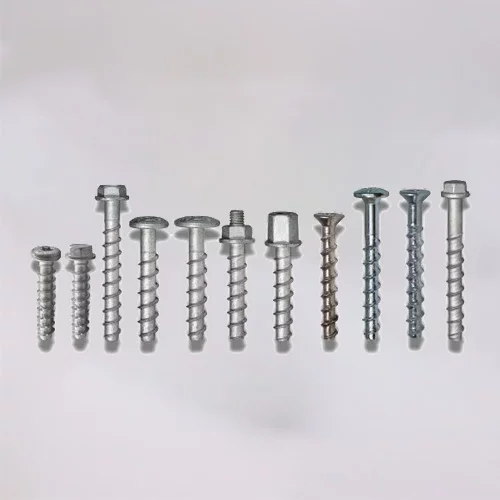
Concrete screws come in several head styles and thread designs. Each type addresses different installation needs and surface conditions. Below are three of the most commonly used screws in the construction and building industry.
Hex Head Concrete Screws
Hex head concrete screws are designed for high tightening torque and excellent load capacity. The integrated washer increases surface contact, allowing the screw to clamp fixtures securely without risk of head pull-through.
Advantages:
Higher tightening force
Ideal for heavy-duty applications
Excellent for uneven or rough surfaces
Easy to install with a wrench or impact driver
Suitable for fixing into:
Concrete C20/25 to C50/60
Non-cracked concrete
Solid brick
Hollow concrete planks
Concrete block
Natural stone
Common applications:
Steel brackets
Metal plates
Handrails
Support frames
Heavy-duty timber connections
Hex head screws are often used in structural assembly due to their stable performance and high resistance to vibration.
Tapcon Countersunk Head Screws
Tapcon-style countersunk screws provide a flush finish, making them ideal for visible installations where aesthetics matter. Their sharp, high-carbon threads allow them to cut cleanly into concrete and masonry.
These screws are especially versatile because they can fasten wood to concrete, which is widely needed in architectural finishing, interior framing, and ceiling installation.
Advantages:
Flush installation for clean appearance
Suitable close to edges
Removable and reusable
Fire resistance
Can replace small-diameter anchors for light to medium loads
Typical application surfaces:
Precast concrete
Masonry walls
Blockwork
Hollow concrete beams
Wood-to-concrete structures
Common uses:
Timber battens
Suspended ceilings
Fireproofing insulation systems
Electrical and mechanical equipment mounting
Concrete Frame Screws
Concrete frame screws are specially engineered for window and door frame installations. Their countersunk head provides a neat finish, while the undercutting action ensures a strong fixing in dense materials.
Advantages:
Ideal for precise alignment
No expansion force—safe for close-edge fixing
Fast installation with a T30 bit
High grip performance
Suitable materials:
Dense concrete
Bricks
Natural stone
These screws are frequently used in finishing applications, glazing installation, door frames, and façade systems.
How to Choose the Right Concrete Screw
Choosing the correct screw is essential for safety and long-term performance. Here are the major considerations:
Load Capacity
Different projects require different pull-out and shear strength. Overloading a screw can lead to premature failure.
Light-duty: small fixtures, brackets
Medium-duty: timber plates, frames, handrails
Heavy-duty: steel supports, structural assemblies
When in doubt, choose a screw with a higher rated load or increase embedment depth.
Screw Length
The screw must penetrate:
The fixture thickness
Enough depth into the concrete for proper anchorage
A typical embedment depth of 30–50 mm provides reliable performance for most applications.
Head Type
Choose based on aesthetics and function:
Hex head: higher torque, heavy-duty fixing
Countersunk head: neat finish, flush installation
Pan head: for thin fixtures and visible installations
Material and Corrosion Resistance
For indoor dry environments: zinc-coated steel
For outdoor or humid environments: stainless steel or special coating
For coastal or chemical exposure: high-grade stainless steel (A4/316)
Using the wrong screw material in corrosive environments can reduce lifespan by up to 70%, so material selection is critical.
Tools and Materials Needed
Before installation, prepare:
Concrete screws of appropriate type
Hammer drill (recommended for concrete)
Carbide-tipped masonry drill bit
Screwdriver, wrench, or impact driver
Safety glasses and dust mask
Vacuum or brush
Level and measuring tools
Having the right tools can improve installation efficiency by 20–30%.
Safety Precautions Before Drilling
Working with concrete requires attention to safety to prevent accidents, equipment damage, or injury.
Locate utilities: electrical wiring, water lines, gas pipes
Wear PPE: dust mask, gloves, safety goggles
Ensure proper footing and stable ladder placement
Use controlled drilling pressure to avoid tool kickback
How to Install Concrete Screws (Step-by-Step)
Follow these steps for optimal performance:
Step 1: Prepare the Surface
Clean the working area using a brush or vacuum. Loose dust can weaken screw grip.
Step 2: Mark Drill Points
Use a pencil, level, and measuring tape to ensure precise alignment. Incorrect positioning can compromise structural performance.
Step 3: Choose the Right Drill Bit
Use a carbide-tipped masonry bit with a diameter matching the screw’s requirements. Concrete screws typically require:
4mm–6mm bits for small screws
6mm–8mm bits for heavy-duty screws
Step 4: Drill Pilot Holes
Drill slightly deeper than the screw’s embedment depth. Apply consistent pressure, keeping the drill straight to avoid misalignment.
Step 5: Clean the Hole
Use a vacuum or blow pump to remove concrete dust. This step improves holding power by 15% or more.
Step 6: Drive the Screw
Insert the screw straight into the pilot hole. Use steady torque, avoiding over-tightening.
If resistance is high, lightly tap the screw with a hammer for better engagement.
Common Problems & Troubleshooting
Breaking Screws
Screw too small for the load
Over-tightening
Using a low-quality screw
Solution: Use high-strength screws and torque carefully.
Stripped Threads
Hole drilled too wide
Cross-threading
Worn-out driver bit
Solution: Replace bit and use proper drilling speed.
Loose Hold
Insufficient embedment
Dust not cleaned
Weak base material
Solution: Use longer screws or re-drill deeper holes.
How to Remove Concrete Screws
Removal is simple:
Turn the screw counterclockwise with the appropriate driver.
If the screw resists, tap lightly with a hammer to break adhesion.
For stubborn screws, apply reverse torque slowly.
Concrete screws are reusable if the threads remain intact.
Applications of Concrete Screws
Concrete screws are versatile and widely used across construction, renovation, and maintenance sectors.
Typical applications include:
Mounting shelves and brackets
Installing TV mounts
Attaching wooden or metal frames
Securing handrails and railings
Fixing window and door frames
Anchoring outdoor structures: pergolas, fences, decking supports
Electrical, HVAC, and plumbing installations
Their adaptability makes them essential for both professional contractors and DIY users.
Why Choose Concrete Screws from HULK Metal?
HULK Metal offers high-performance concrete screws engineered for durability, precision, and safety. Every screw undergoes strict quality control to ensure consistent performance on every project.
Our advantages:
High-strength steel materials for superior load capacity
Advanced heat treatment for improved hardness and thread durability
Corrosion-resistant coatings prolong lifespan in harsh environments
Consistent dimensional accuracy ensures smooth installation
OEM/ODM capability for large-scale construction companies
Strong supply chain guaranteeing stable lead times
Dedicated technical team supporting your engineering requirements
With hundreds of global construction clients, our screws are trusted for reliability and performance.
Article Navigation
PRECAST CONCRETE ACCESSORIES
Other Precast Concrete Accessories You Might Want to Know
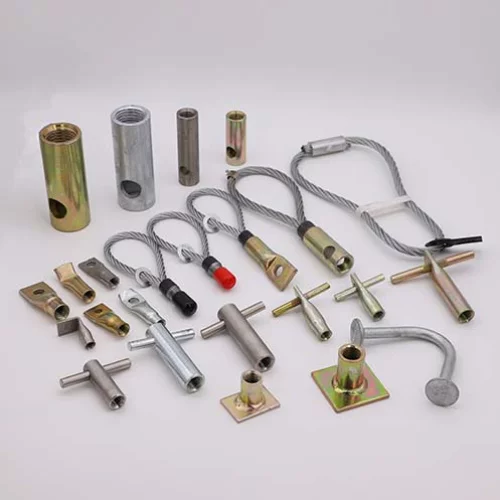
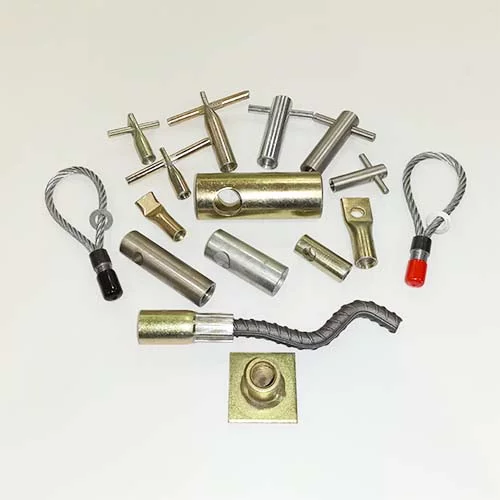
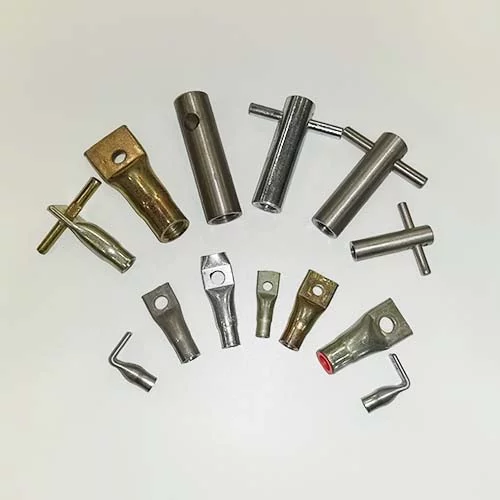
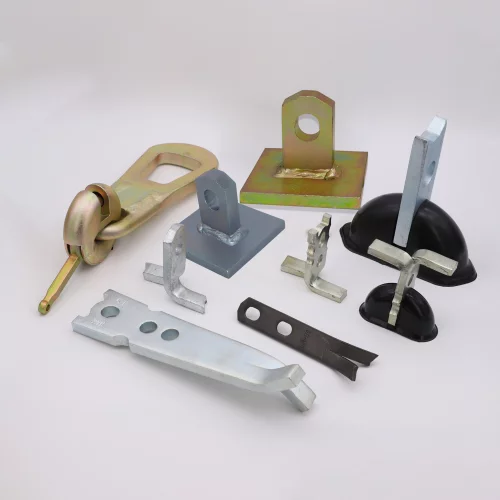
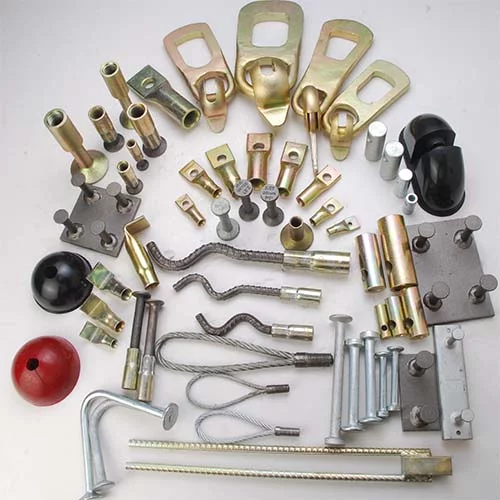
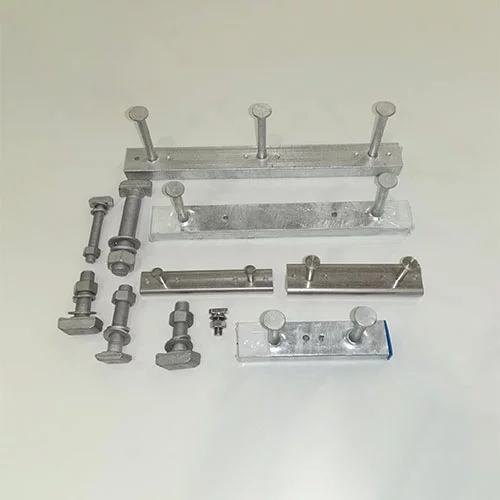
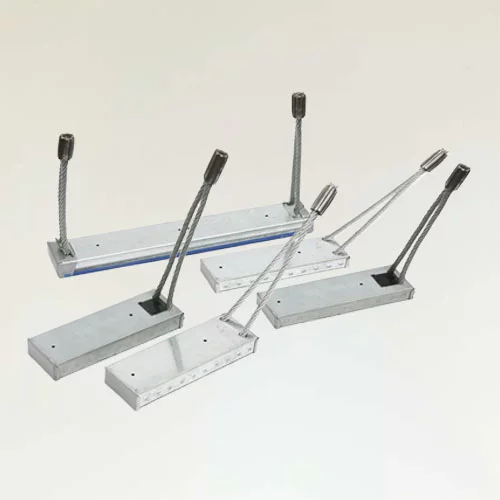
You can click to learn more about HULK Metal precast concrete accessories such as lifting anchors, precast sockets, spread anchors, shuttering magnets, cast-in channels, wire loop boxes, and other precast concrete accessories you might want to know.