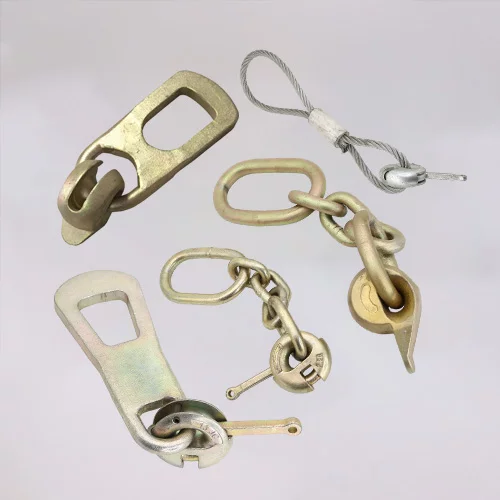
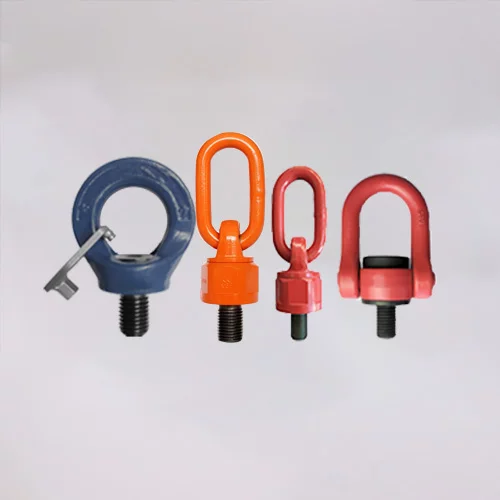
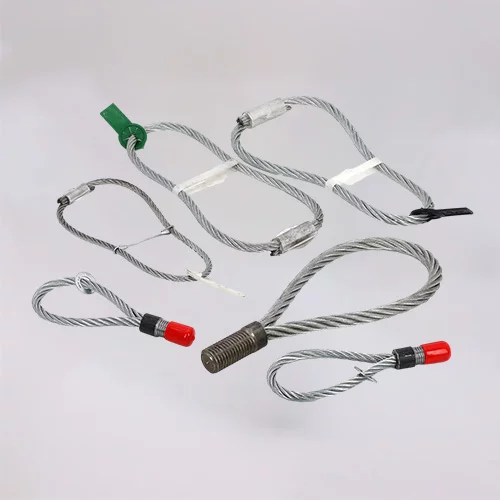
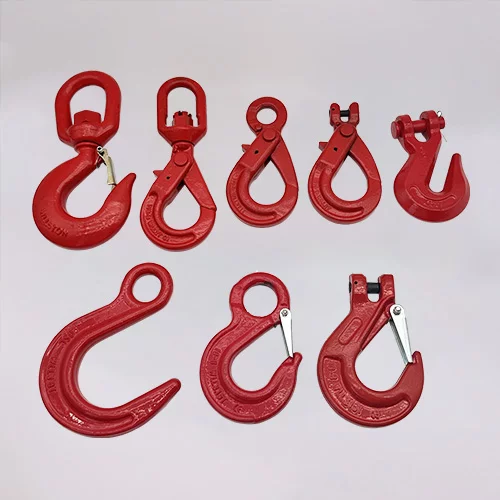
Comprehensive Inspection and Testing of Lifting Clutches

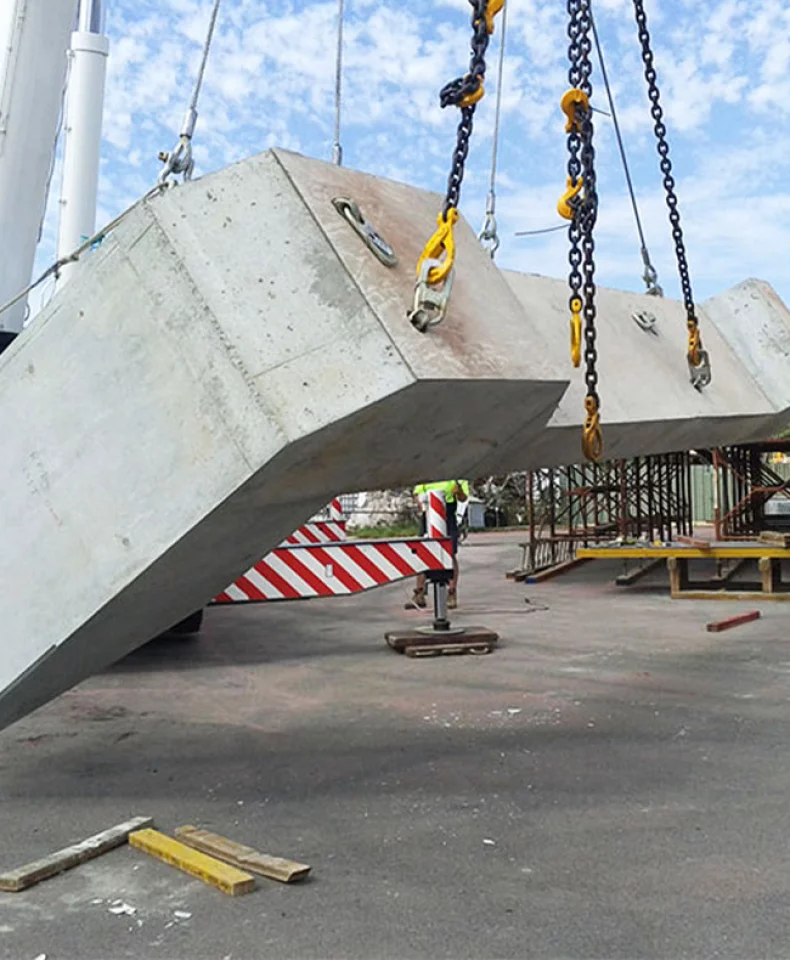
In precast concrete construction, lifting clutches are not ordinary hardware components—they are critical load-bearing devices directly responsible for jobsite safety. Every lift involves dynamic forces, load angles, impact factors, and environmental variables. A minor material defect, hidden crack, or dimensional deviation can compromise structural integrity and lead to costly downtime—or worse, serious accidents.
For this reason, lifting clutch inspection cannot be limited to a single proof test. It must be a fully controlled quality system that begins with raw material verification and continues through manufacturing monitoring, non-destructive testing, destructive validation, proof loading, traceability marking, documentation, and periodic in-service inspection.
Below is a comprehensive overview of the professional inspection framework that ensures lifting clutches perform safely and reliably throughout their service life.
Raw Material Verification: Safety Begins at the Source
The mechanical performance of a lifting clutch depends fundamentally on its material. Since lifting clutches are required to fail in a ductile manner under ultimate loading, material selection must prioritize toughness, elongation, and consistent tensile strength.
Material Certification Review
Each batch of incoming steel is accompanied by a mill test certificate (MTC) confirming:
Chemical composition
Yield strength (fsy)
Ultimate tensile strength (fsu)
Elongation
Heat number traceability
Quality engineers verify that all parameters comply with design requirements before the material is approved for production. Traceability at this stage prevents substitution risks and ensures accountability.
Chemical Composition Analysis
Spectrometric testing is conducted to validate alloy composition. Carbon content, manganese, silicon, and other elements are measured against specification limits.
Controlling carbon levels is particularly important. Excessive carbon may increase strength but significantly reduce ductility, increasing the risk of brittle fracture.
Mechanical Property Testing
Sample specimens undergo tensile testing to confirm:
Yield strength
Ultimate strength
Elongation percentage
Reduction of area
Only materials demonstrating stable and predictable ductile behavior move forward into manufacturing.
Manufacturing Process Control: Eliminating Risk During Production
Even premium materials can fail if processing is poorly controlled. Therefore, strict process supervision is implemented throughout casting, forging, machining, and welding.
Casting and Forging Control
For cast components:
Pouring temperature is controlled
Cooling rates are managed to reduce shrinkage and porosity
Mold quality is inspected
For forged components:
Forging temperature range is strictly maintained
Deformation ratio is controlled to optimize grain flow
Forging force and cycle consistency are monitored
Forging enhances fatigue resistance by aligning grain structure along load paths, significantly improving mechanical reliability.
Weld Zone Inspection
If welding is used in the assembly, weld zones are considered critical areas. Inspection includes:
Visual inspection for cracks and undercuts
Dimensional measurement
Heat-affected zone evaluation
During design validation, lifting clutches must fail away from weld zones, confirming structural safety margins.
Hardness testing verifies uniform mechanical properties across the component.
Dimensional Inspection
Dimensional accuracy ensures proper anchor compatibility and load transfer. Inspection tools include:
Vernier calipers
Micrometers
Coordinate measuring machines (CMM)
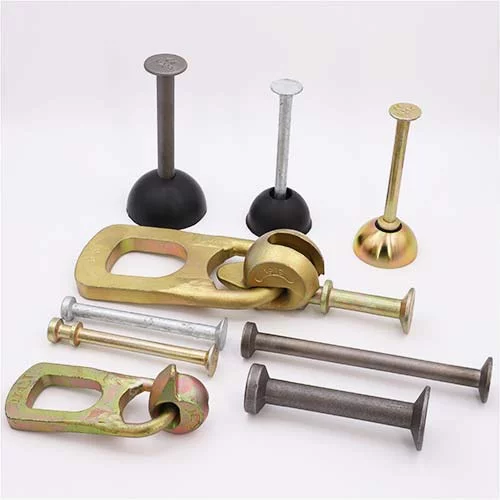
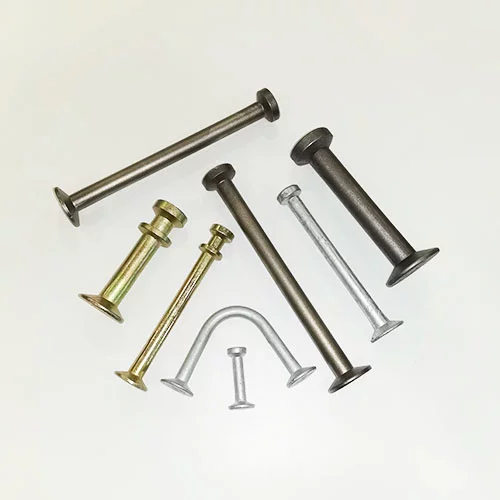
Critical dimensions such as pin diameter, jaw opening, locking geometry, and overall tolerance are carefully verified.
Non-Destructive Testing (NDT): Detecting Invisible Defects
Surface or near-surface cracks can severely reduce load capacity. Therefore, 100% inspection is mandatory for cast components.
Fluorescent Magnetic Particle Testing

All cast clutch components undergo 100% fluorescent magnetic particle inspection in accordance with AS 1171.
Testing procedure includes:
1. Surface cleaning
2. Magnetization
3. Application of fluorescent particles
4. UV light examination
5. Indication evaluation and recording
Acceptance criteria:
No linear indications permitted
No crack defects allowed
This method effectively detects fine cracks that may not be visible to the naked eye.
Surface and Coating Inspection
Inspectors verify:
No corrosion or surface damage
No sharp edges
Complete and uniform coating
Only components meeting surface integrity requirements proceed to assembly.
Design Validation and Destructive Testing
Design validation confirms predictable structural behavior under extreme loading conditions.

Ultimate Tensile Testing
The lifting clutch is loaded in tension to ultimate failure using compatible anchors.
It must demonstrate:
Ductile failure mode
Visible plastic deformation
Fracture away from weld zones
Ductile fracture surface characteristics
This ensures energy absorption capacity and reduces sudden brittle failure risk.
System-Level Testing
Failure behavior of individual components does not always reflect system performance. Therefore, complete clutch-anchor systems are tested under simulated field conditions, including load angle and embedment configuration.
This ensures real-world reliability rather than theoretical assumptions.
Proof Load Testing and Certification
Every lifting clutch must be proof tested before entering service.
Factory Proof Testing (2.0 × WLL)
Each clutch is subjected to a load equal to 2.0 times its Working Load Limit (WLL).
Procedure:
Install clutch with compatible anchor
Apply load gradually
Hold load for specified duration
Inspect for permanent deformation or cracks
No fracture or unacceptable deformation is permitted.
Identification Marking and Traceability
Each clutch is permanently marked with:
Unique serial number (linked to proof test record)
Manufacturer’s name or symbol
WLL or compatible anchor identifier
Traceability ensures accountability throughout the product lifecycle.
Certification Documentation
A formal certificate is issued after proof testing, confirming compliance with relevant standards.
Test Record Management and Documentation
Comprehensive documentation is essential for regulatory compliance and quality assurance.
Each test report includes:
Test purpose
Testing facility information
Date, time, and environmental conditions
Detailed product description
Geometry and material characteristics
Installation tools used
Test procedure description
Personnel qualifications
Load rate and direction
Failure load (if destructive)
Failure mode
Load-deformation curve data
Concrete strength (if applicable)
Total number of tests
Compliance confirmation
Complete records provide full transparency and support long-term traceability.
Pre-Delivery Inspection and Release Control
Before shipment, each lifting clutch undergoes a final inspection to confirm:
No visible damage or deformation
Smooth locking mechanism operation
Clear and durable markings
Complete documentation
Only after quality approval are products released for packaging and delivery.
In-Service Inspection and Periodic Testing
Safety does not end at delivery.
Pre-Use Inspection
Operators must check for:
Pin wear
Cracks
Deformation
Locking mechanism integrity
Damaged units must be removed from service immediately.
Annual Proof Testing (1.2 × WLL)
Each clutch must undergo proof testing at 1.2 times its WLL at intervals not exceeding 12 months from first use. Results must be recorded and retained.
Why Strict Inspection Matters
Statistics across the lifting industry show that the majority of mechanical failures originate from material defects, improper heat treatment, or insufficient inspection. A structured inspection system significantly reduces failure probability and increases service life.
More importantly, it protects lives.
A lifting clutch is not just a component—it is a safety-critical device that must perform flawlessly under load.
Partner with HULK Metal for Reliable Lifting Clutches
At HULK Metal, quality control is not a marketing slogan—it is an integrated system embedded into every stage of production. From certified raw materials and controlled forging processes to 100% magnetic particle testing, 2.0 × WLL proof loading, and complete traceability documentation, every lifting clutch is manufactured with safety as the priority.
Our experienced engineering and quality teams strictly implement international testing standards and simulate real field conditions to ensure stable and predictable performance. With a comprehensive supply chain, advanced inspection equipment, and professional technical support, we deliver lifting solutions trusted by precast concrete manufacturers worldwide.
If you are sourcing lifting clutches that require reliable performance, full certification, and consistent quality control, HULK Metal is ready to support your project.
Contact HULK Metal today to discuss your technical requirements and receive a professional solution tailored to your application.
Article Navigation
PRECAST CONCRETE ACCESSORIES
OTHER RELATED ARTICLE
- 1.Why should every manufacturer conduct tensile testing?
- 2.Applications and advantages of swivel hoist rings: HULK Metal provides you with safer and more flexible lifting solutions
- 3.Lifting Clutch VS Lifting Ring Clutch:Definition, Working Principle, Application Scenarios, and Selection Guide
- 4.Lifting Ring Clutch Maintenance: Ensuring Safety and Reliability
Other Precast Concrete Accessories You Might Want to Know
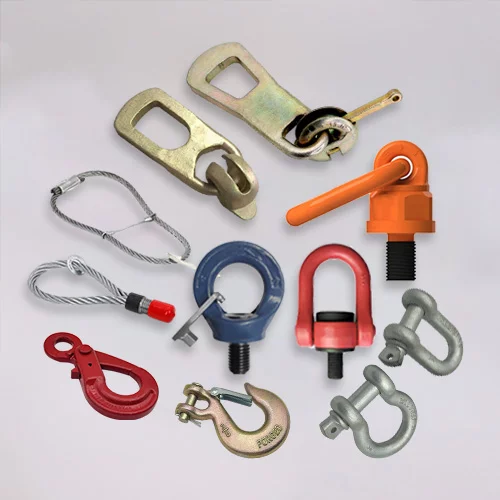
You can click to learn more about HULK Metal precast concrete accessories such as lifting anchors, precast sockets, spread anchors, shuttering magnets, cast-in channels, wire loop boxes, and other precast concrete accessories you might want to know.