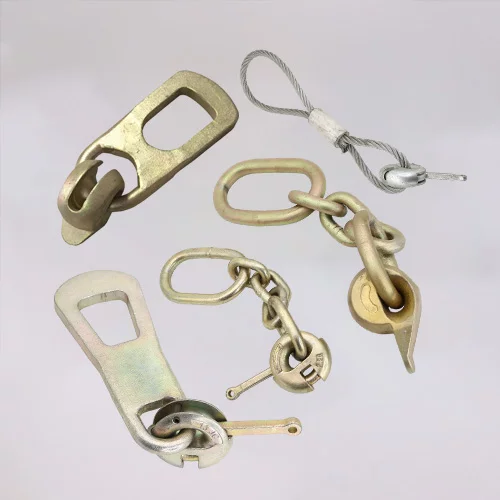
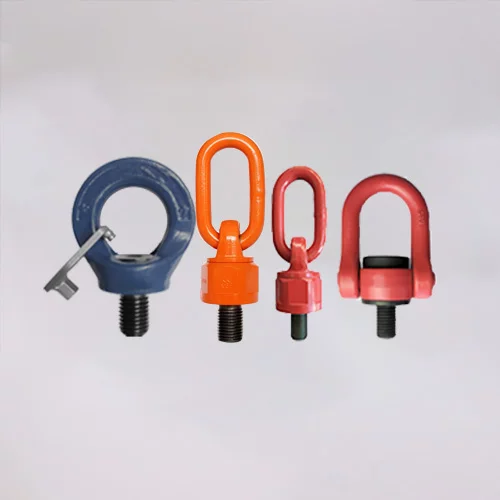
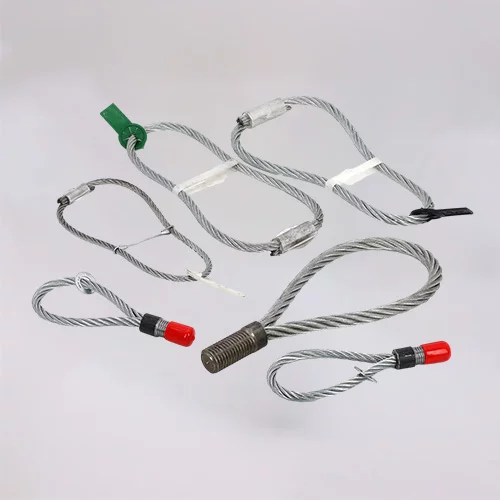
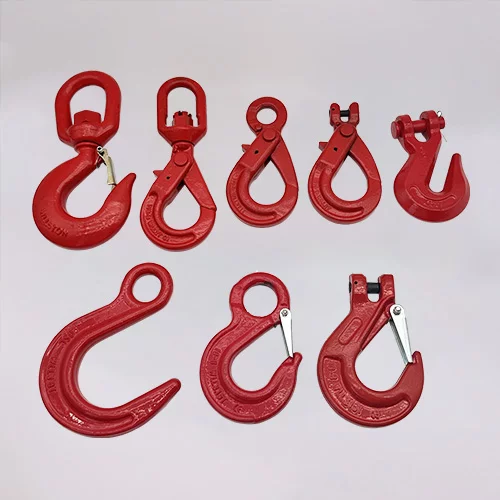
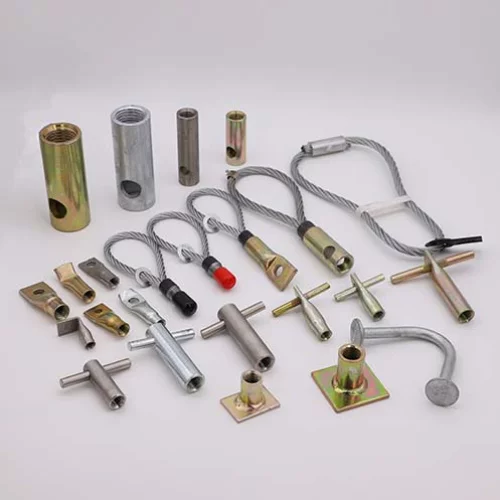
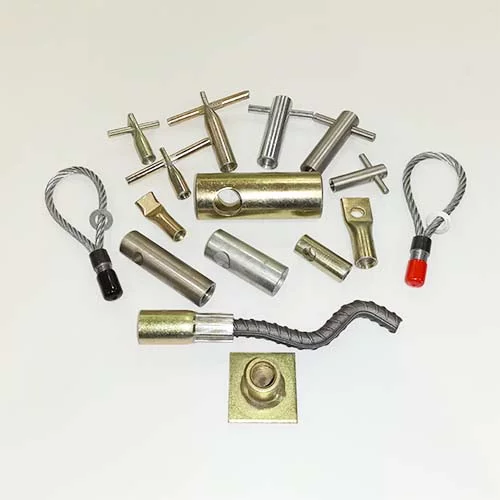
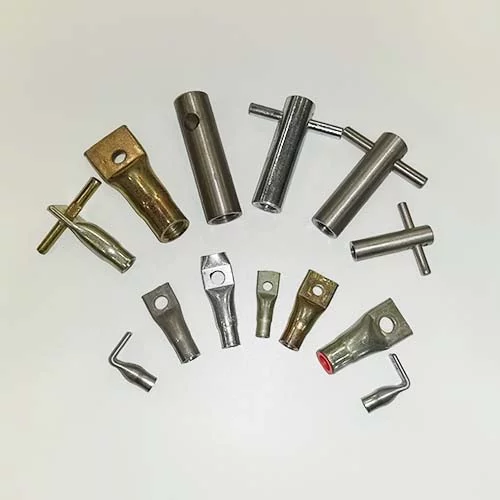
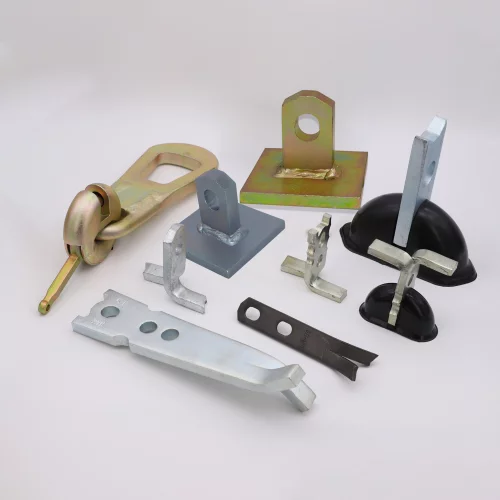
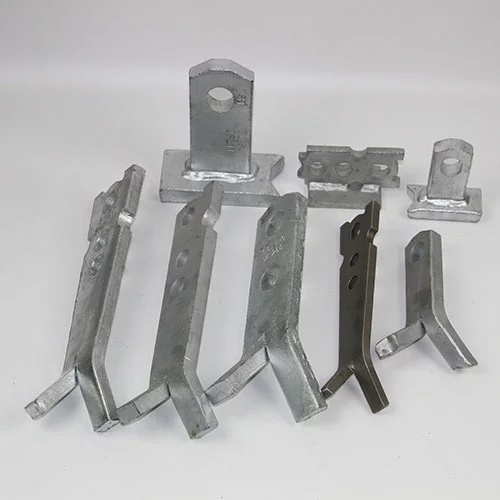
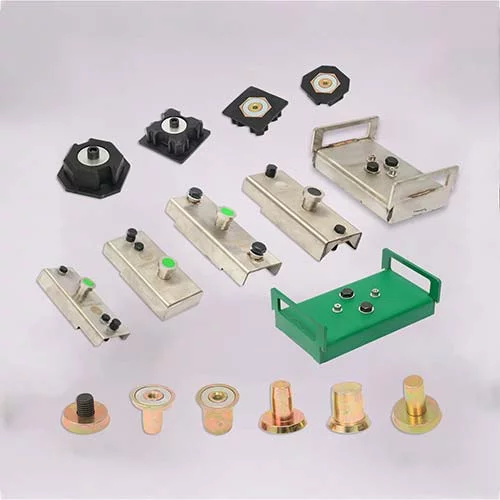
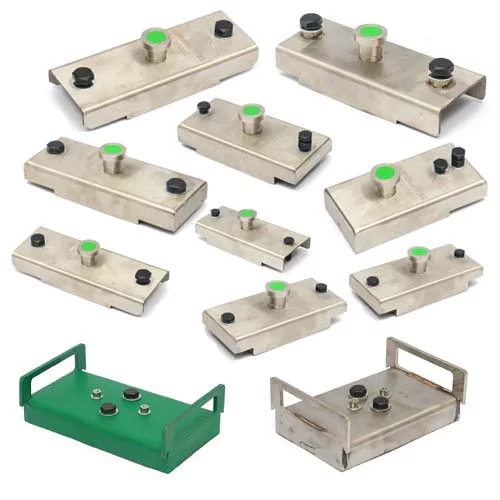
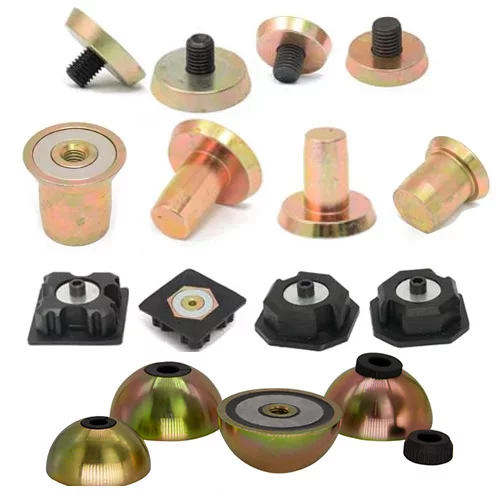
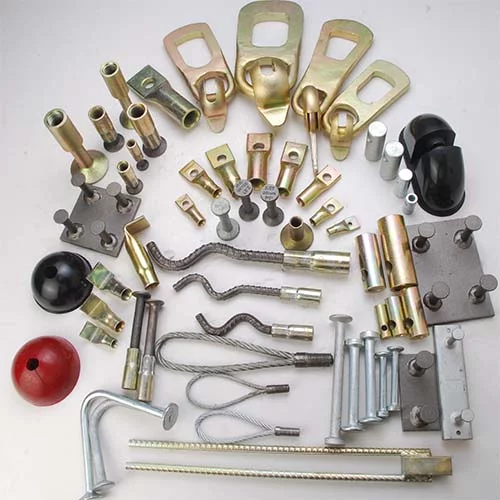
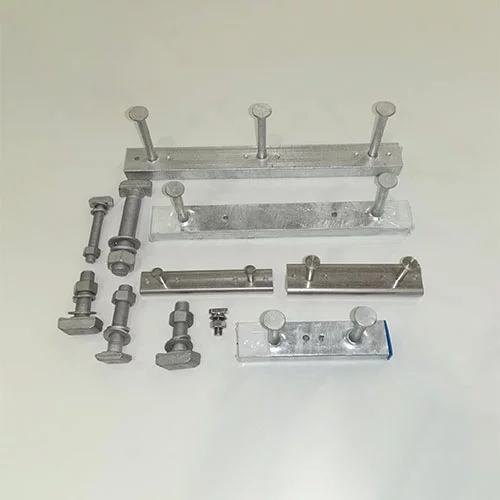
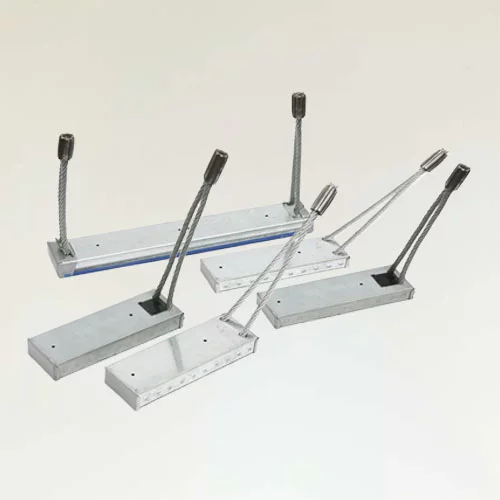
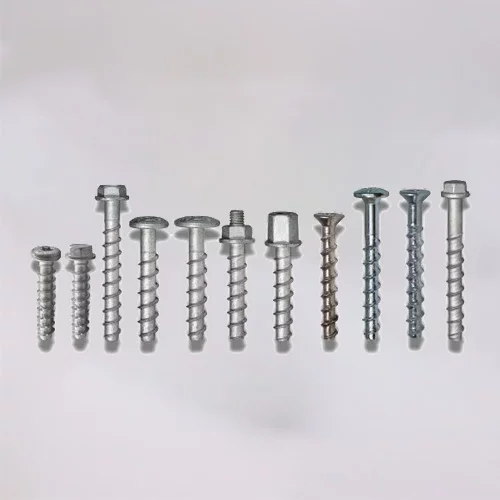
Lifting Anchor Manufacturer tells you the Inspection Standards from Production to Delivery

Lifting anchors play a crucial role in precast concrete structures. They are responsible for safely transferring loads during hoisting, transportation, and installation. Any defects in materials, safety factors, or dimensional accuracy can directly impact structural safety and on-site construction efficiency.
Therefore, HULK Metal, as a professional lifting anchor manufacturer, implements a rigorous and traceable inspection system covering every step from raw material inspection to final delivery. The following details the complete testing and inspection process to ensure that every lifting anchor meets mechanical, dimensional, and safety requirements.
Raw Material Inspection: Controlling Quality from the Source
The quality of a lifting anchor begins with the steel. Lifting anchors are manufactured using high-strength carbon steel or alloy steel, carefully selected to achieve the required tensile strength, ductility, and fatigue resistance.
Supplier Qualification and Traceability
Before raw materials enter the production process, suppliers will be evaluated based on the following:
Material certification compliance (EN, ASTM, or other standards)
Production stability
Chemical stability records
Delivery reliability
Each batch of steel must include a Steel Mill Test Certificate (MTC) clearly indicating the chemical composition and mechanical properties. The batch number will be recorded to ensure traceability throughout the production process.
Chemical Composition Analysis
Even if the supplier is certified, independent verification remains crucial. Spectroscopic testing is used to confirm that the following elements:
Carbon (C)
Manganese (Mn)
Silicon (Si)
Chromium (Cr)
Nickel (Ni)
are all within the specified ranges.
Excessive carbon increases brittleness, while insufficient alloy content reduces tensile strength. This analysis ensures that the steel meets the required mechanical property standards.
Mechanical Property Testing
Randomly selected samples were subjected to tensile tests to confirm:
Yield Strength
Tensile Strength
Elongation
These tests verified that the base material could withstand the required load conditions before forging or machining began.
Steel could only be put into production after passing all material inspections.
In-Process Inspection: Quality Control During Manufacturing
Lifting anchors typically require forging, finishing, and surface treatment. Each process introduces potential quality risks, which must be controlled through systematic inspection.
Forging Process Inspection
Forging can improve the internal grain structure and increase impact strength and fatigue strength. However, improper forging temperature or pressure may lead to internal cracks or surface defects.
Key inspection steps include:
Forging temperature monitoring
Die alignment check
Post-forging visual inspection
Key dimensional measurement
After forging, operators check the following:
Surface cracks
Folds
Overlapping areas
Incomplete filling
Randomly selected workpieces undergo magnetic particle testing (MT) to detect surface and near-surface cracks.
Dimensional Inspection
Dimensional accuracy is crucial for compatibility with the lifting clutch and prefabrication system.
Use calibration tools such as:
Vernier calipers
Micrometers
Thread gauges
Coordinate measuring machine (CMM)
Inspector verification of:
Shaft diameter
Head thickness
Ring dimensions
Thread accuracy
Tolerance limits
Each key dimension is compared with the engineering drawings. Statistical sampling methods are typically used to maintain consistency in mass production.
Mechanical Performance Testing: Verifying Load Capacity
Since the lifting anchor directly bears heavy loads, mechanical performance testing is one of the most critical steps.
Tensile Test
Representative samples are tested using a universal tensile testing machine. The anchor is subjected to gradually increasing forces until:
The verification load is reached
The ultimate tensile strength is recorded
Fracture characteristics are observed
The results must comply with relevant standards, such as CE certification requirements or other international lifting regulations.
Verification Load Test
The verification load test ensures that the anchor can withstand its ultimate tensile strength.
It can withstand the specified working load without permanent deformation.
Test Procedure:
1. Secure the anchor on a calibrated testing machine.
2. Gradually apply the load to the specified verification load value.
3. Maintain the load for a period of time.
4. Check for deformation or cracks.
If no permanent deformation occurs, the anchor passes the verification load test.
3.3 Fatigue Test (if necessary)
For projects involving repeated lifting cycles, fatigue testing can be performed.
The anchor is cyclically loaded under controlled conditions to simulate actual lifting operations. This verifies its long-term durability and resistance to crack propagation.
Surface Treatment and Corrosion Testing
Surface treatment can improve corrosion resistance and extend service life. Common surface treatment processes include:
Electro-galvanizing
Hot-dip galvanizing
Zinc plating
Custom coating
Coating Thickness Measurement
Inspectors use a coating thickness gauge to measure:
Average coating thickness
Minimum coating thickness
Measurement results must meet the specified micron requirements.
Adhesion Testing
Adhesion testing is used to ensure the durability of the coating. Test methods include:
Cross-cut test
Impact test
Bending test
If the coating easily peels or detaches, the batch of products fails inspection.
Corrosion Resistance Testing
If required by the customer, salt spray testing is used to evaluate the corrosion resistance of the coating under accelerated corrosion conditions. Anchors are placed in a salt spray test chamber for a certain period of time to evaluate coating performance.
Final Quality Control Before Delivery
A comprehensive final inspection is conducted before shipment to ensure that the product fully complies with standards and is traceable.
Visual Inspection
Inspectors check the following:
Surface scratches
Burnt burrs
Coating defects
Sharp edges
Marking clarity
Each lifting anchor must have clear and permanent markings, including:
Load capacity
Manufacturer identification
Lot number
Lot Sampling and Statistical Inspection
Samples are taken for final dimensional and performance verification according to AQL (Acceptable Quality Level) standards.
If defects exceed acceptable limits, the entire lot is inspected 100%.
Document Review
All quality documents are reviewed, including:
Material certificates
Heat treatment records
Mechanical test reports
Surface treatment reports
Inspection checklist
Complete documentation ensures traceability from raw materials to finished products.
Packaging and Logistics Inspection
Improper packaging may lead to damage during transportation. Final inspection includes:
Integrity of protective packaging
Rust prevention measures
Label accuracy
Carton strength
Pallet stability
Goods can only be released for shipment after confirming that the packaging meets requirements.
The Importance of Comprehensive Inspection
Safety is paramount in precast concrete lifting systems. Lifting anchor failure can lead to:
Project delays
Equipment damage
Economic losses
Safety hazards
By implementing a multi-stage inspection process from raw material verification to final packaging control, manufacturers can significantly reduce risk and ensure consistent product reliability.
A comprehensive inspection system not only ensures compliance but also builds trust. When each lifting anchor is supported by documented testing and traceable production data, contractors and distributors can have confidence in the long-term performance of the product.
Lifting anchor inspection is not a single test performed at the end of production. It is a comprehensive, multi-stage quality control system that begins with raw material selection and extends throughout forging, finishing, mechanical testing, surface treatment, and final delivery inspection.
Each step has its specific function:
Material inspection ensures structural integrity
Process control prevents manufacturing defects
Mechanical testing confirms load-bearing capacity
Surface inspection ensures durability
Final verification guarantees traceability
Through systematic inspection procedures and stringent quality standards, Lifting Anchor meets the strength, reliability, and safety requirements of modern prefabricated construction.
If you are sourcing Lifting Anchor for a demanding project, be sure to choose a supplier that can provide complete inspection records, certified testing procedures, and full traceability. Quality is not just reflected in the production process, but is rigorously verified at every stage.
At HULK Metal, quality control is built into our entire supply chain—from raw material sourcing to final logistics coordination. With a dedicated technical team, in-house quality inspection center, certified testing procedures, and strict batch traceability management, we ensure that every lifting anchor meets CE and project-specific requirements.
Article Navigation
PRECAST CONCRETE ACCESSORIES
OTHER RELATED ARTICLE
Other Precast Concrete Accessories You Might Want to Know
You can click to learn more about HULK Metal precast concrete accessories such as lifting anchors, precast sockets, spread anchors, shuttering magnets, cast-in channels, wire loop boxes, and other precast concrete accessories you might want to know.