
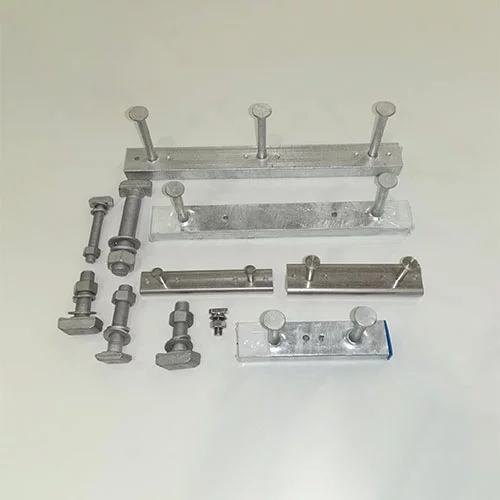
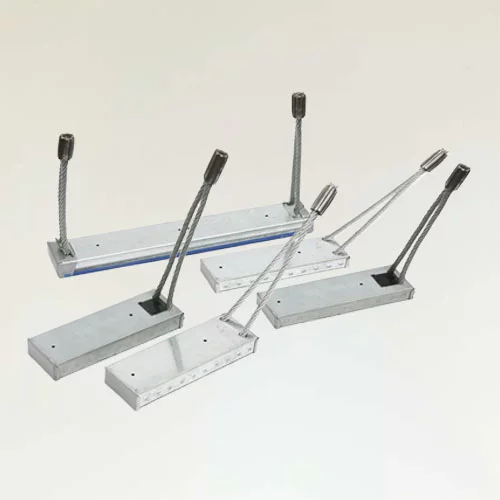
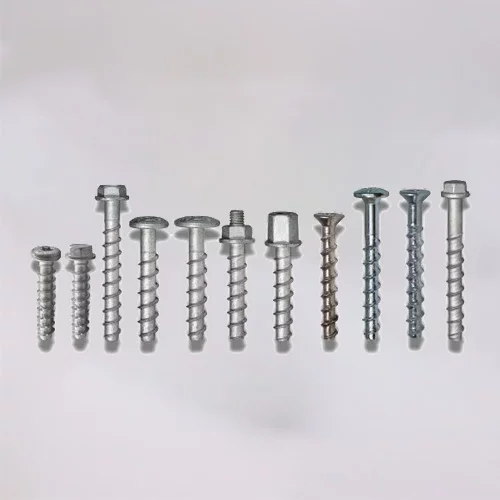


Choosing the Right Spread Anchor for Precast Concrete Element?

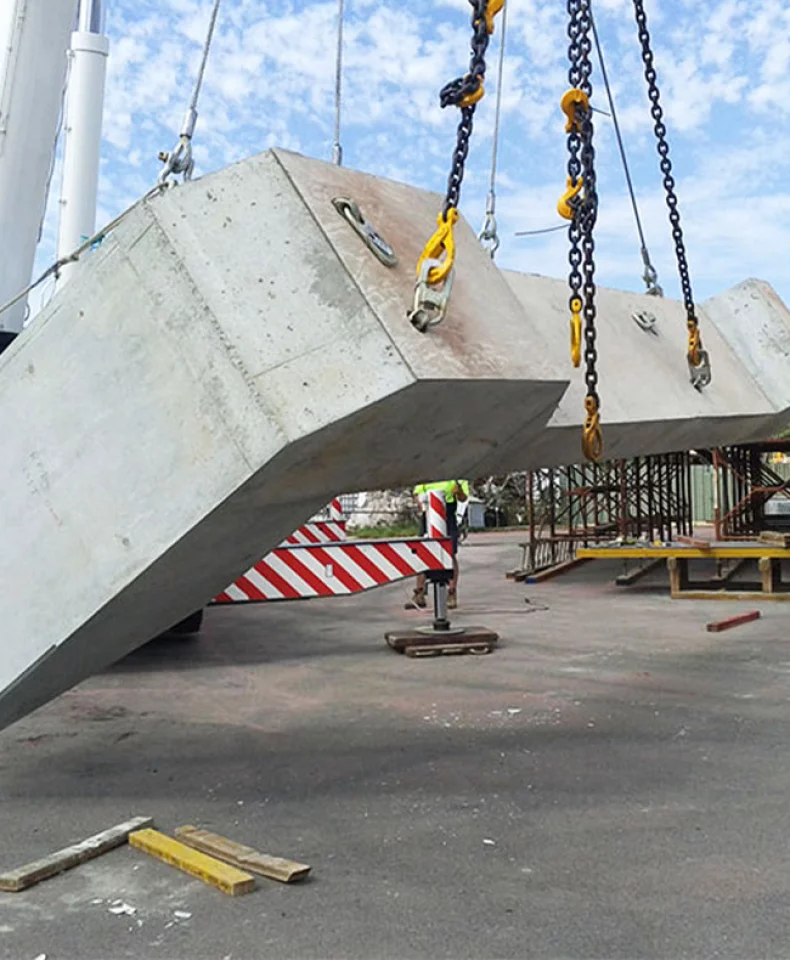
In precast concrete construction, lifting safety is not an optional consideration—it is a fundamental requirement that directly affects project efficiency, on-site safety, and long-term structural integrity. As precast components continue to increase in size, weight, and complexity, the demands placed on lifting systems have grown significantly. Selecting the right lifting anchor is therefore a critical engineering decision rather than a simple procurement task.
Among the various lifting solutions available, spread anchors have become one of the most widely used and trusted systems for handling precast concrete elements. Their ability to distribute loads efficiently, integrate reinforcement, and provide secure engagement with lifting equipment makes them a preferred choice in both building and infrastructure projects.
This article focuses on how to choose the right spread anchor for precast concrete lifting, covering structural design, load requirements, safety standards, applications, manufacturing quality, and common selection mistakes. By understanding these factors, engineers, contractors, and procurement teams can ensure safer lifting operations and more reliable project execution.
What Is a Spread Anchor?
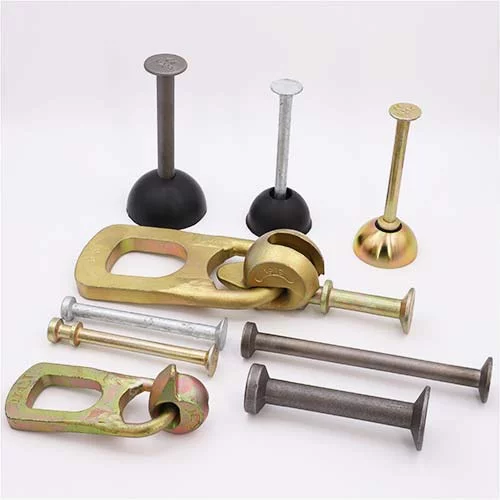
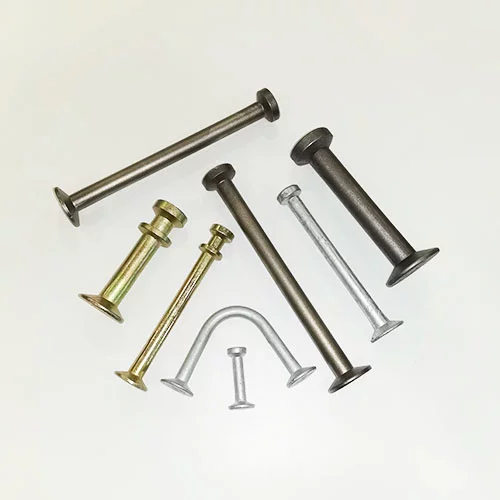
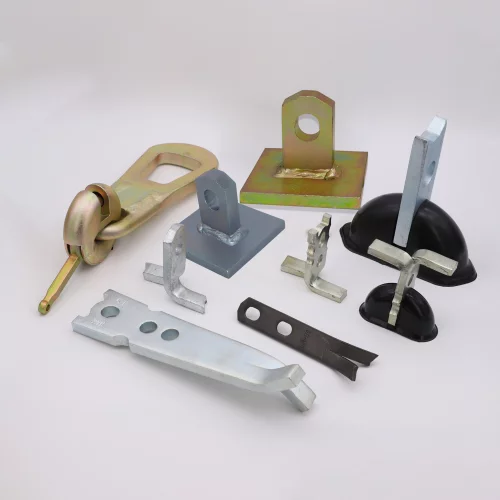
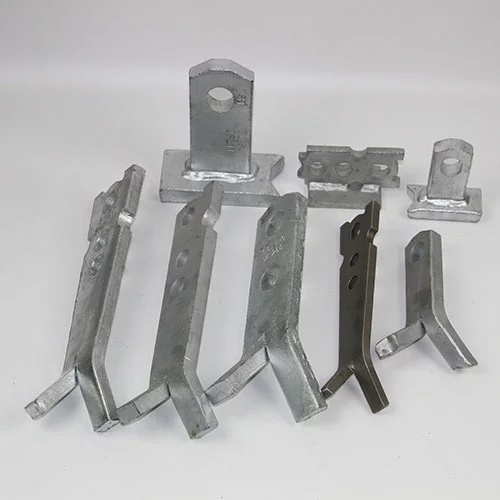
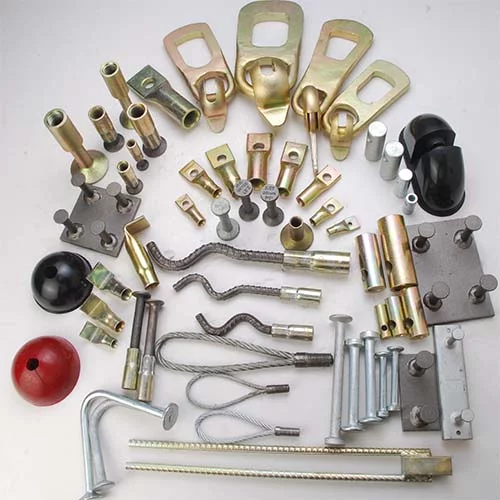
A spread anchor is a cast-in lifting anchor specifically designed for precast concrete elements. It is embedded into the concrete during casting and later used as a secure lifting point for handling, transportation, and installation. Unlike surface-mounted lifting devices, spread anchors become an integral part of the concrete element, offering superior load transfer and stability.
Structurally, a spread anchor is characterized by:
Two holes:
The top hole remains exposed after casting and is used to connect the lifting clutch.
The lower hole allows rebar insertion, reinforcing the anchor and improving load transfer.
Split feet at the bottom, which spread the applied lifting force into the surrounding concrete, reducing stress concentration.
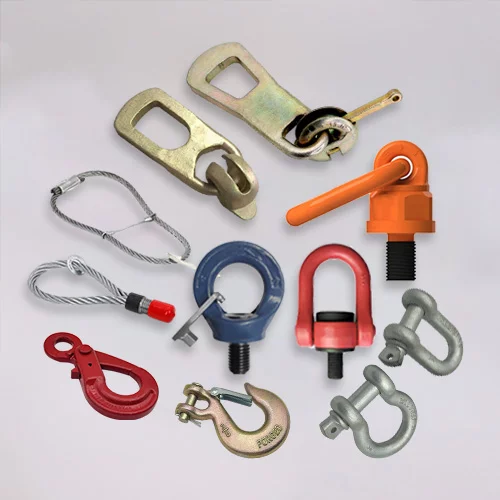
To function correctly, a spread anchor works as part of a complete lifting system, which typically includes:
Spread anchor (embedded lifting point)
Recess former (creates the cavity for clutch engagement)
Ring clutch (connects lifting equipment to the anchor)
Lifting hooks or chains (transfer load during lifting)
This system-based design ensures repeatable, safe, and controlled lifting operations throughout the precast element’s lifecycle.
How Spread Anchors Work in Precast Concrete
Understanding how a spread anchor works is essential when selecting the right model for a specific application.
During lifting, the ring clutch connects to the spread anchor through the recess left by the former. Once engaged, the lifting load is transferred from the crane or hoist to the anchor. The rebar passing through the lower hole reinforces the anchor and ties it structurally into the concrete element.
As load increases:
The split feet at the bottom of the anchor activate, distributing forces into a larger volume of concrete.
This spreading action significantly reduces localized stress compared to simple straight anchors.
The load is transferred deeper and more evenly into the concrete body, enhancing safety and structural stability.
This load distribution mechanism makes spread anchors particularly suitable for:
Heavy precast elements
Thin or reinforced concrete sections
Vertical and diagonal lifting configurations
When properly selected and installed, spread anchors provide predictable performance with high safety margins.
Key Factors to Consider When Choosing a Spread Anchor
Choosing the right spread anchor requires a comprehensive evaluation of multiple technical and operational factors.
Load Capacity Requirements
The first and most critical consideration is load capacity. Engineers must determine:
The weight of the precast element
The number of lifting points
The lifting angle and configuration
Dynamic forces during handling and transport
The selected spread anchor must have a Safe Working Load (SWL) that exceeds the calculated design load, including appropriate safety factors. High-quality spread anchors are typically tested with a minimum safety factor of three, ensuring reliable performance under real-world conditions.
Underrating load capacity is one of the most common and dangerous selection mistakes.
Concrete Strength and Element Geometry
Concrete properties play a decisive role in anchor performance. Key parameters include:
Minimum concrete compressive strength at the time of lifting
Element thickness
Edge distances
Reinforcement layout
The presence of rebar through the lower hole of the spread anchor improves load transfer and reduces cracking risks. For thinner or heavily reinforced elements, selecting a spread anchor specifically designed for such conditions is essential.
Lifting Direction and Installation Conditions
Spread anchors are used in various lifting scenarios:
Vertical lifting
Diagonal lifting
Multi-point lifting systems
Each configuration affects the forces acting on the anchor. Diagonal lifting, for example, increases tensile and shear forces, requiring careful anchor selection and verification. Temporary lifting points and permanent embedded anchors may also have different requirements.
Ensuring that the chosen spread anchor is approved for the intended lifting direction is critical to maintaining safety.
Compatibility with Lifting Equipment
A spread anchor must be fully compatible with:
The correct recess former
A matching ring clutch
Approved lifting hooks or chains
Mismatched components can lead to improper engagement, uneven load transfer, or accidental disengagement during lifting. Using a complete, manufacturer-approved lifting system significantly reduces these risks.
Spread Anchor Types and Common Applications
Spread anchors are available in different sizes, load ratings, materials, and surface treatments to suit a wide range of applications.
Typical Applications Include:
Precast wall panels and elements
Beams, columns, and slabs
Staircases and balconies
Bridge segments and tunnel linings
Prefabricated housing components
They are especially suitable for heavy-duty projects such as infrastructure works, high-rise buildings, and industrial facilities, where lifting reliability is critical.
With multiple configurations available, spread anchors can be adapted to both standard and custom precast elements.
Safety Standards and Quality Control
Safety compliance is a non-negotiable requirement for lifting anchors. High-quality spread anchors are manufactured in accordance with recognized international standards and undergo rigorous testing.
Certified spread anchors typically feature:
CE certification, demonstrating compliance with European safety requirements
ISO9001 quality management certification, ensuring consistent manufacturing processes
In addition, each anchor should:
Pass tensile and mechanical testing
Be clearly marked with load ratings and identification
Offer traceability back to material batches and production records
Using certified spread anchors not only improves safety but also helps contractors meet regulatory and project compliance requirements.
Common Selection Mistakes to Avoid
Despite their proven reliability, spread anchors can still fail if improperly selected or used. Common mistakes include:
Ignoring lifting angles and dynamic forces
Using anchors with insufficient SWL
Omitting rebar reinforcement through the lower hole
Mixing incompatible anchors and clutches
Selecting non-certified or untested products
Avoiding these errors requires careful planning, engineering review, and cooperation with experienced manufacturers.
Benefits of Working with a Professional Spread Anchor Manufacturer
Partnering with a professional spread anchor manufacturer provides significant advantages beyond product supply.
Engineering and Technical Support
Experienced manufacturers assist in:
Reviewing drawings and lifting plans
Recommending suitable anchor models
Optimizing anchor placement and quantities
Material Selection and Testing
High-grade steels such as 20Mn2, Q345D, CM490, or stainless steel are commonly used. Each batch undergoes chemical composition analysis and mechanical testing before production to ensure strength and durability.
Advanced Manufacturing and Quality Inspection
Production typically includes:
Precision cutting
Accurate bending to maintain geometry
Finishing and surface treatments, such as galvanizing
Dimensional and mechanical inspection of every anchor
Reliable Delivery and After-Sales Support
Professional suppliers provide secure packaging, optimized logistics, and responsive after-sales service, including technical consultation and quality assurance support.
How Spread Anchors Are Manufactured
A structured production process is essential for ensuring consistent quality and performance.
Requirement Analysis
Drawings, quantities, surface treatments, and delivery schedules are reviewed to develop optimized production solutions.
Raw Material Purchasing and Testing
Certified steel materials are sourced and tested before entering production.
Cutting and Bending
Precision equipment ensures accurate dimensions and proper load-bearing geometry.
Surface Treatment
Options such as electro-galvanizing or hot-dip galvanizing enhance corrosion resistance.
Quality Inspection
Each anchor undergoes dimensional checks and mechanical testing.
Packaging and Delivery
Anchors are packed in reinforced wooden cases or steel pallets to prevent transport damage.
Choosing the right spread anchor for precast concrete lifting is a critical decision that directly impacts safety, efficiency, and project success. By understanding anchor structure, load requirements, concrete properties, lifting conditions, and certification standards, project teams can make informed and reliable selections.
Spread anchors offer a proven combination of high load capacity, stable load distribution, reinforced design, and system compatibility. When sourced from a professional manufacturer with strict quality control and engineering support, they become a dependable solution for a wide range of precast concrete applications.
Investing time in proper spread anchor selection is not only a matter of compliance—it is a commitment to safer construction and long-term project performance.
Article Navigation
PRECAST CONCRETE ACCESSORIES
OTHER RELATED ARTICLE
- 1.How Efficient Precast Accessories Improve Construction Productivity?
- 2.How to Choose High-Quality Shuttering Magnetic Products and Suppliers Guide
- 3.Applications and advantages of swivel hoist rings: HULK Metal provides you with safer and more flexible lifting solutions
- 4.Lifting Clutch VS Lifting Ring Clutch:Definition, Working Principle, Application Scenarios, and Selection Guide
- 5.An In-Depth Guide to Erection Anchors, Single-Hole Spread Anchors and Two-Hole Spread Anchors
Other Precast Concrete Accessories You Might Want to Know
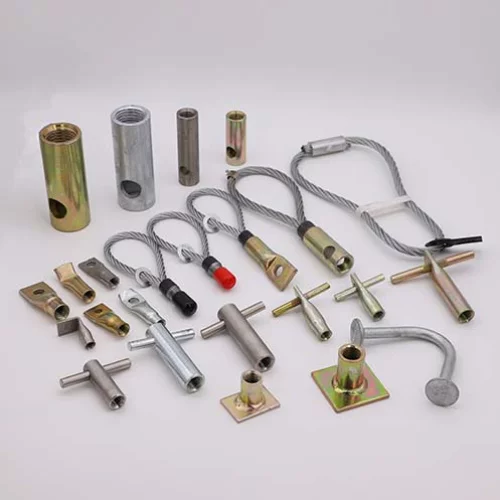
You can click to learn more about HULK Metal precast concrete accessories such as lifting anchors, precast sockets, spread anchors, shuttering magnets, cast-in channels, wire loop boxes, and other precast concrete accessories you might want to know.