How to Choose the Right Precast Concrete Accessories for Your Project?
In the high-stakes world of modern engineering, the success of a multi-million dollar project often hinges on the smallest components. While massive tower cranes and heavy machinery capture the spotlight, it is the Precast Concrete Accessories—the lifting anchors, bracing systems, and fixing inserts—that ensure structural integrity and operational safety.
Choosing the right Precast Concrete Accessories is not merely a procurement task; it is a critical engineering decision. Selecting the wrong component can lead to catastrophic structural failures, costly project delays, and compromised site safety. This comprehensive guide provides a roadmap for project managers, engineers, and procurement specialists to navigate the complexities of accessory selection, ensuring long-term success and peace of mind.
Introduction: Why Precast Concrete Accessories Matter
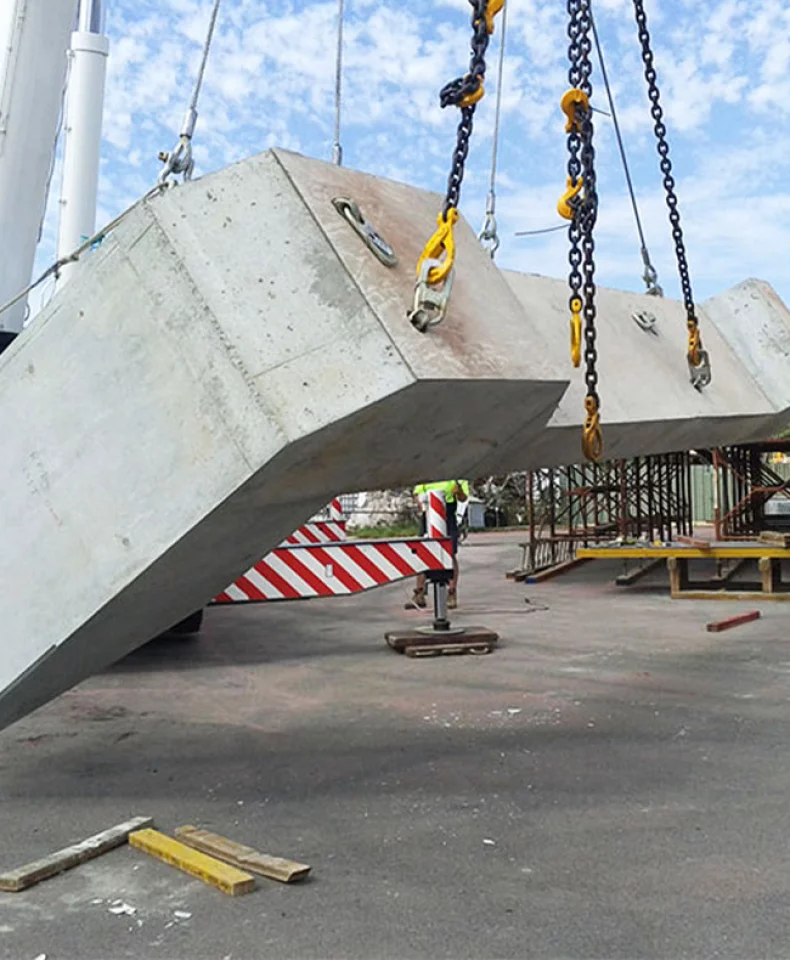
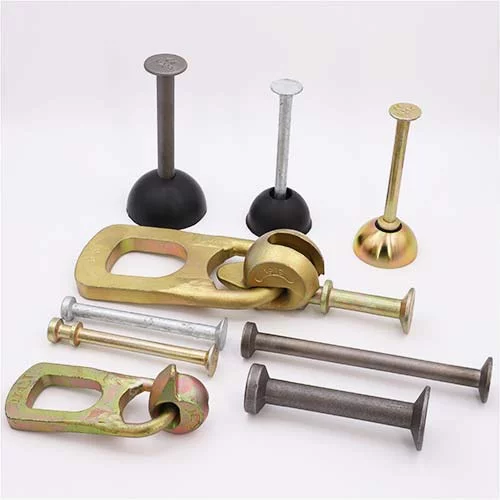
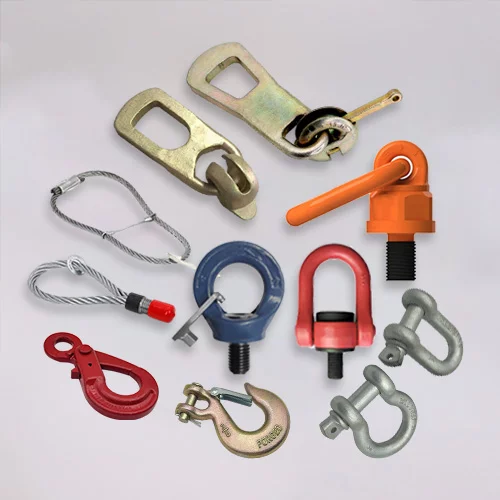
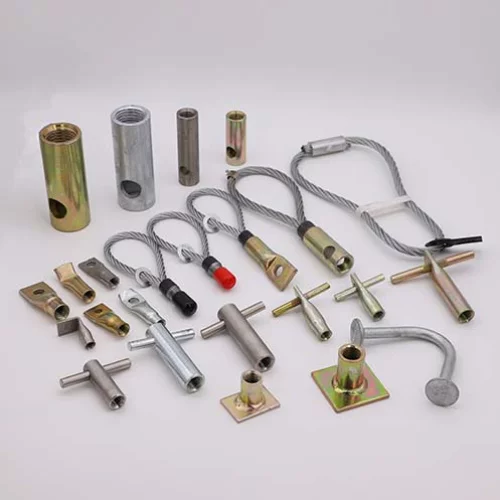
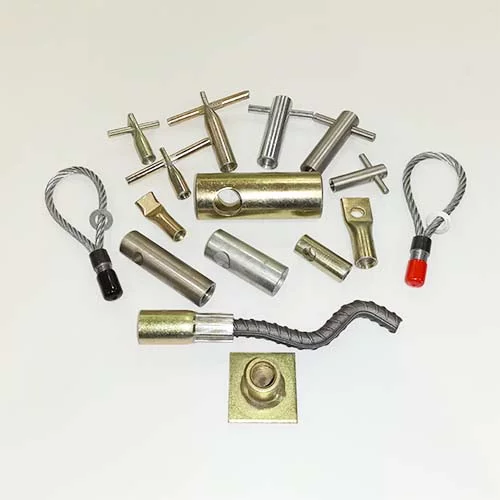
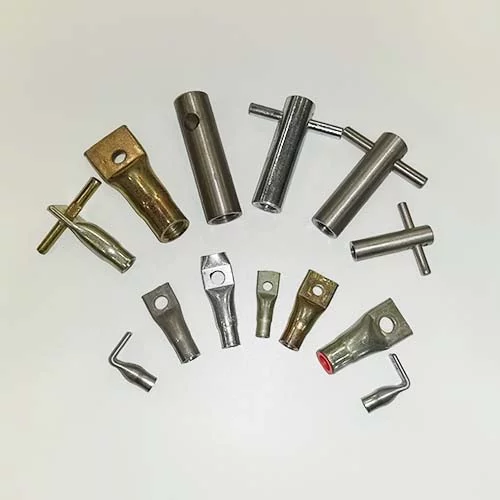
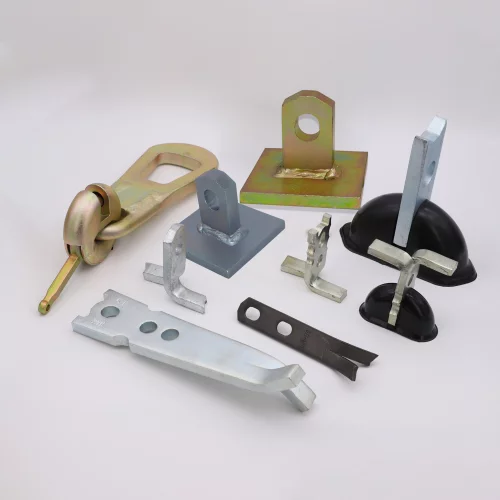
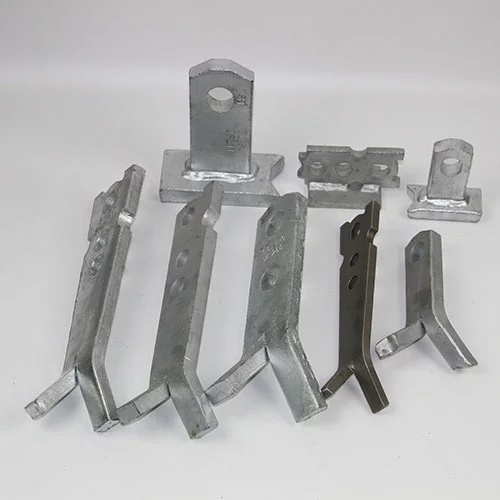
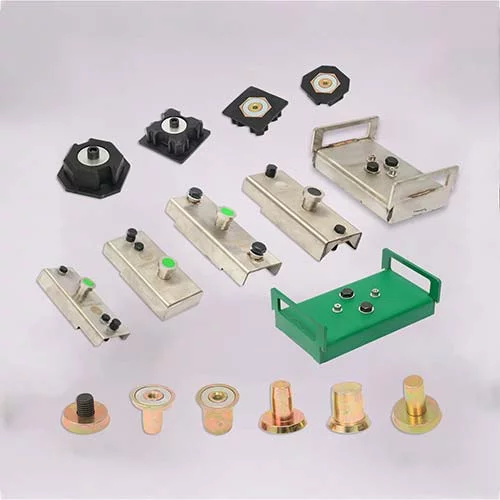
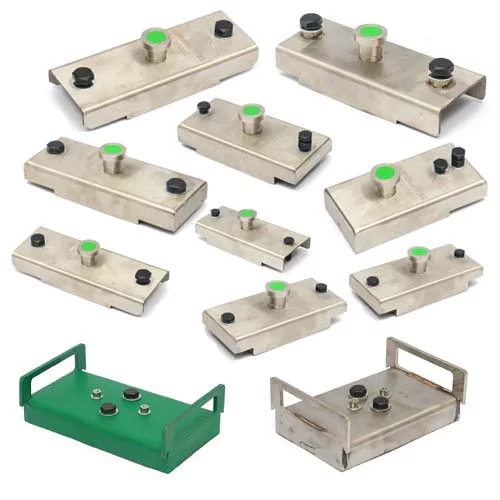
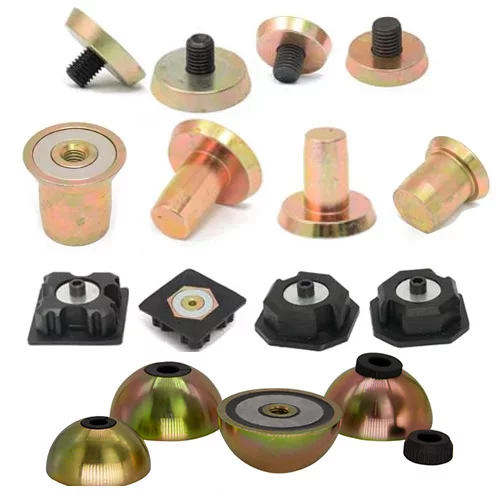
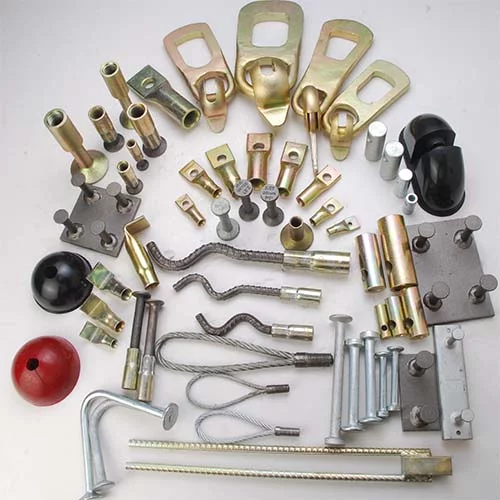
Precast Concrete Accessories are the "unsung heroes" of the job site. Defined broadly, they encompass a wide range of specialized components used to lift, fix, brace, and connect structural elements—particularly in precast concrete and cast-in-place applications.
Their importance cannot be overstated:
Safety: Accessories are the primary points of contact during the lifting of multi-ton concrete panels. A failure here is often fatal.
Efficiency: High-quality accessories are designed for rapid installation and removal, directly impacting the "cycle time" of a construction project.
Structural Integrity: Improperly specified fixing anchors can lead to long-term issues like hydrogen embrittlement or concrete spalling, undermining the building's lifespan.
Choosing the wrong accessories often leads to a "domino effect" of problems: mismatched threads causing delays, low-grade steel corroding prematurely, or under-rated anchors requiring emergency site remediation. This guide will empower you to avoid these pitfalls by understanding the technical nuances of the industry.
Understand Your Project Requirements First
Before browsing a catalog, you must define the environment in which these accessories will perform.
Project Type and Application
The demands of a residential villa differ vastly from a hydroelectric dam or a high-rise commercial tower.
Precast Concrete: Requires high-precision lifting anchors and lifting clutches that can be reused across hundreds of cycles.
Cast-in-Place: Focuses more on formwork ties, water stops, and rebar couplers.
Temporary vs. Permanent: Bracing systems are temporary and must be easy to dismantle, while fixing inserts are permanent and must withstand the test of time (often 50+ years).
Load and Performance Requirements
Understanding the difference between Static Loads (the weight of the element at rest) and Dynamic Loads (forces exerted during movement, wind, or seismic activity) is vital.
Working Load Limit (WLL): The maximum mass or force which the product is authorized to support in general service.
Ultimate Load: The force at which the accessory actually fails.
Professional-grade accessories must maintain a strict Safety Factor (often 3:1, 4:1, or 5:1) to account for unforeseen stresses on-site.
Identify the Right Type of Precast Concrete Accessories
Lifting and Handling Accessories
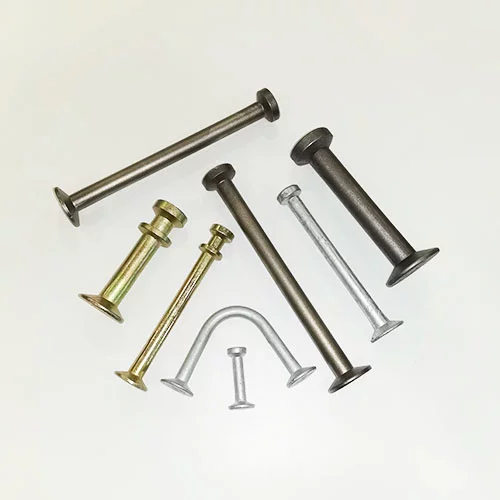
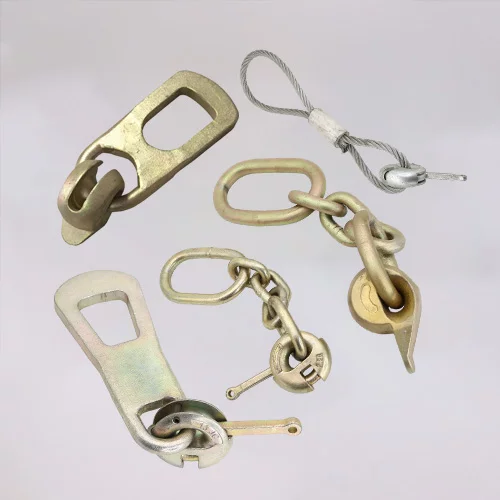
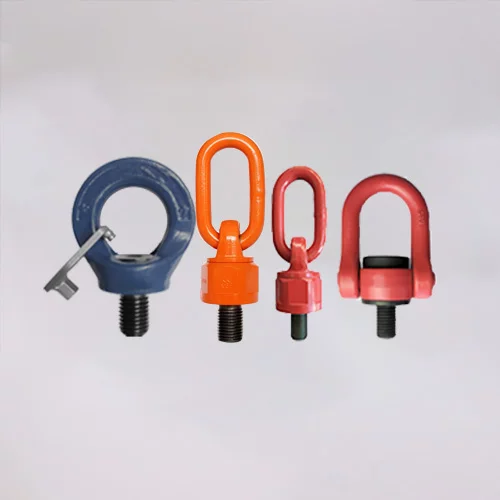
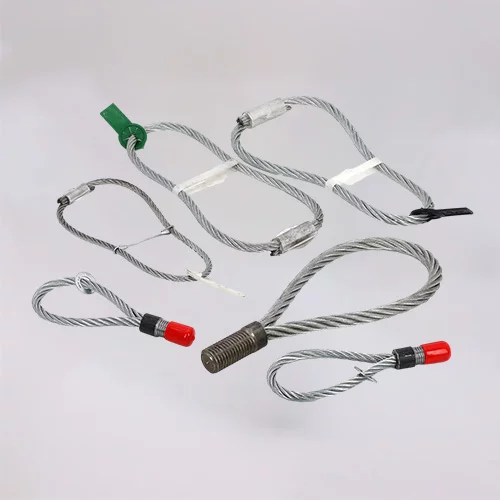
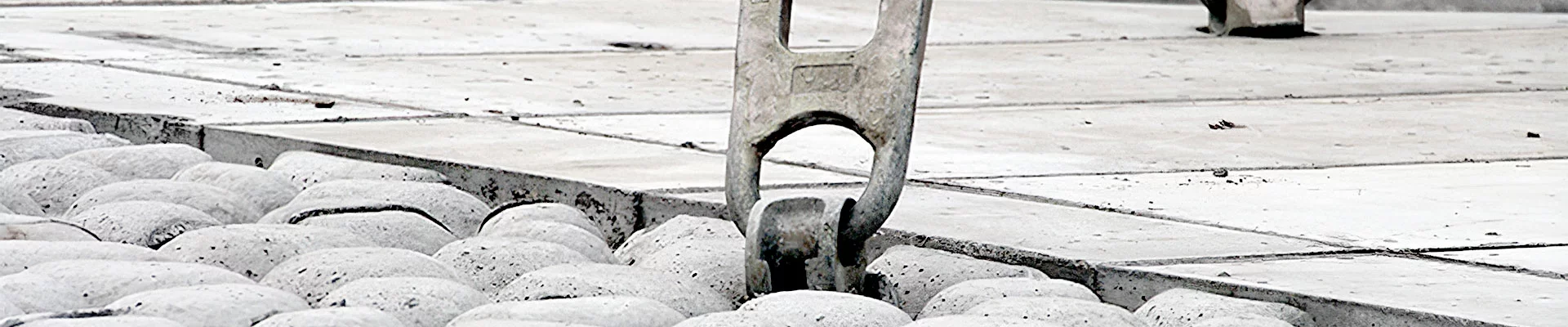
In precast construction, the lifting system is the most critical safety element. This includes lifting anchors, spread anchors, lifting loops, and lifting clutch systems. The choice depends on the thickness of the concrete, the reinforcement layout, and whether the element needs to be tilted or rotated during installation.
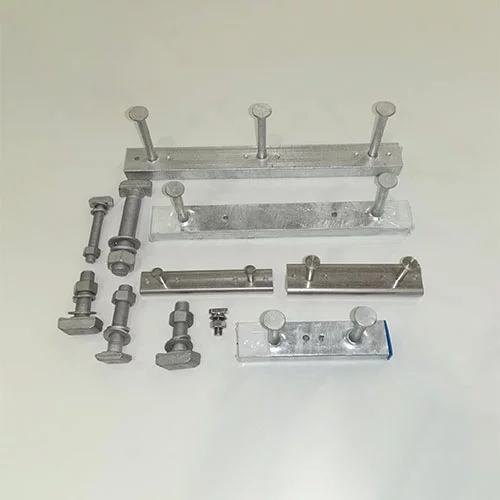
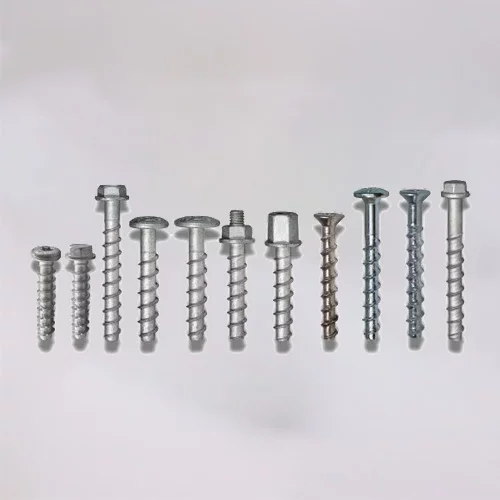
Fixing and Anchoring Accessories
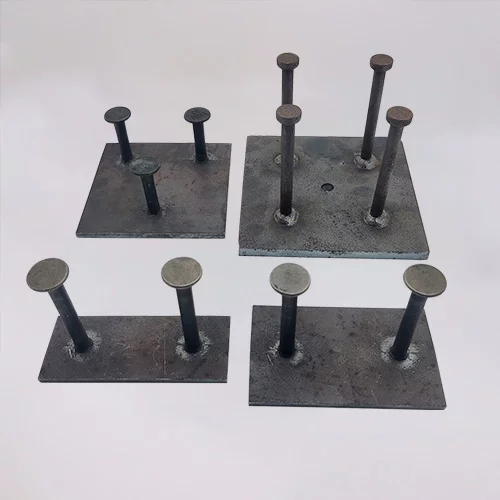
These are used to connect structural members or to attach secondary components (like facades or MEP systems) to the main structure. Options include cast-in channels, threaded sockets, and expansion bolts. Precision here is key; a 2mm deviation in an insert's position can make a steel beam impossible to bolt down.
Material Selection: Strength, Durability, and Environment
The "best" material isn't always the strongest; it’s the one most suited to the environment.
Carbon Steel: Economical and strong, but requires coating (zinc plating or painting) to prevent rust.
Alloy Steel: Utilized for high-stress components where weight-to-strength ratios are critical.
Stainless Steel (Grade 304/316): Essential for coastal projects or chemical plants where salt spray and corrosive vapors would destroy carbon steel within months.
Corrosion Resistance: For outdoor infrastructure, Hot-Dip Galvanizing (HDG) is the industry standard, providing a thick layer of zinc that "self-heals" if scratched.
Manufacturing Process and Quality Control
How an accessory is made determines how it fails.
Forging: Compresses the grain structure of the metal, creating superior strength and toughness. Most high-safety lifting clutches are forged.
Casting: Allows for complex shapes (like wing nuts). However, poor casting can lead to internal "voids" or air bubbles that create hidden weak spots.
Machining: Used for high-precision threads.
At Hulk Metal, we emphasize rigorous quality control at every stage—from raw material spectral analysis to final load testing—ensuring that every batch meets the design specifications.
Compliance with Standards and Certifications
In the global market, certifications are your insurance policy. Never source accessories that lack documented compliance with international standards:
CE Marking: Mandatory for products sold in the European Economic Area.
ISO 9001: Ensures the manufacturer follows a consistent quality management system.
Traceability is equally important. Each batch of anchors or bolts should have a unique heat number, allowing you to trace the component back to the specific "melt" of steel at the mill.
Installation Efficiency and On-Site Safety
A "cheap" accessory that takes twice as long to install is actually more expensive. Modern Precast Concrete Accessories should feature:
Color Coding: To quickly identify load ratings.
Self-Cleaning Threads: To prevent jamming when concrete dust or mud gets into the equipment.
Tool Compatibility: Designing systems that use standard wrenches rather than specialized, expensive tools.
By reducing the time workers spend at height or under suspended loads, you directly reduce the project's risk profile.
Cost Considerations: Looking Beyond the Unit Price
The "Unit Price Trap" is a common mistake. Savvy project managers look at the Total Cost of Ownership (TCO).
Durability: A high-quality prop that can be used for 50 cycles is cheaper than a low-quality prop that fails after 10.
Risk Mitigation: The cost of one failed lifting anchor—including site shutdown, legal fees, and structural repair—can be 10,000 times the cost of the anchor itself.
Labor Savings: Accessories that are easy to align save hundreds of man-hours over the course of a project.
Customization and OEM Solutions for Special Projects
Standard catalog items don't fit every scenario. Whether it's an unusually thin concrete panel or a bridge deck requiring extreme load capacities, you need a partner capable of OEM (Original Equipment Manufacturer) services.
Customization might include:
Custom lengths for tie rods or anchors.
Specialized finishes for aesthetic architectural concrete.
Engineering support to design a bespoke lifting sequence.
Supplier Evaluation: Choosing a Reliable Partner
A supplier is more than a vendor; they are a part of your supply chain. When evaluating a partner like Hulk Metal, consider:
1. Production Capacity: Can they scale up if your project hits a "fast-track" phase?
2. Inspection Processes: Do they perform 100% visual inspections and representative load testing?
3. Logistics: Can they handle international shipping and provide the necessary customs documentation?
4. Technical Support: Will they be available to answer an engineer's question on a Tuesday morning at the site?
Choosing Precast Concrete Accessories is about balancing technical requirements with economic reality, all while maintaining an unshakeable commitment to safety. By understanding your project's specific loads, selecting the right materials, and partnering with a certified manufacturer, you ensure that your project is built on a foundation of reliability.
At Hulk Metal, we don't just supply parts; we supply confidence. From the smallest spacer to the heaviest lifting clutch, our products are engineered to exceed industry standards and withstand the toughest site conditions.
Ready to secure your next project with industry-leading precast concrete accessories?
[Browse our Product Catalog] or [Contact our Technical Team] today for a quote and expert consultation. Your project deserves the strength of Hulk.
Article Navigation
PRECAST CONCRETE ACCESSORIES
OTHER RELATED ARTICLE
- 1.How Efficient Precast Accessories Improve Construction Productivity?
- 2.How to Choose High-Quality Shuttering Magnetic Products and Suppliers Guide
- 3.Applications and advantages of swivel hoist rings: HULK Metal provides you with safer and more flexible lifting solutions
- 4.Lifting Clutch VS Lifting Ring Clutch:Definition, Working Principle, Application Scenarios, and Selection Guide
- 5.An In-Depth Guide to Erection Anchors, Single-Hole Spread Anchors and Two-Hole Spread Anchors
Other Precast Concrete Accessories You Might Want to Know
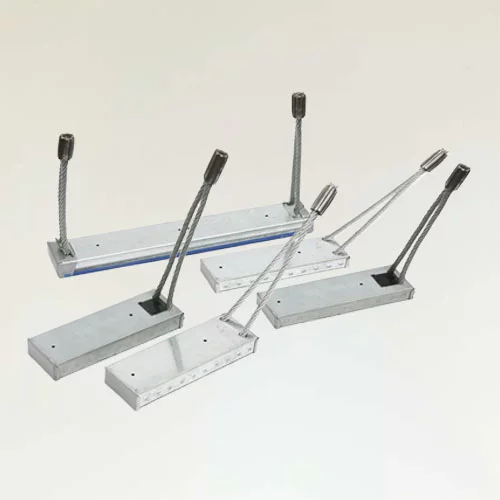
You can click to learn more about HULK Metal precast concrete accessories such as lifting anchors, precast sockets, spread anchors, shuttering magnets, cast-in channels, wire loop boxes, and other precast concrete accessories you might want to know.