How Spread Anchors Are Quality Inspected Before Leaving the Factory

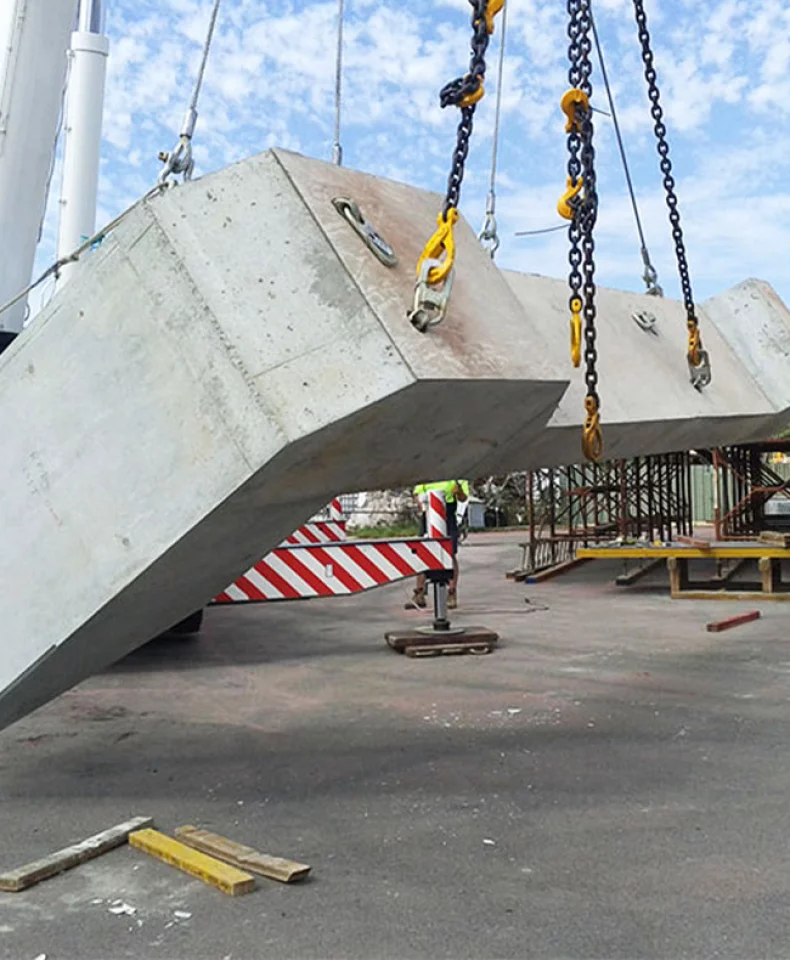
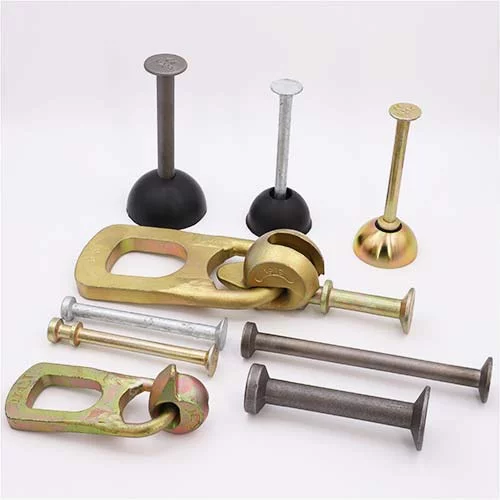
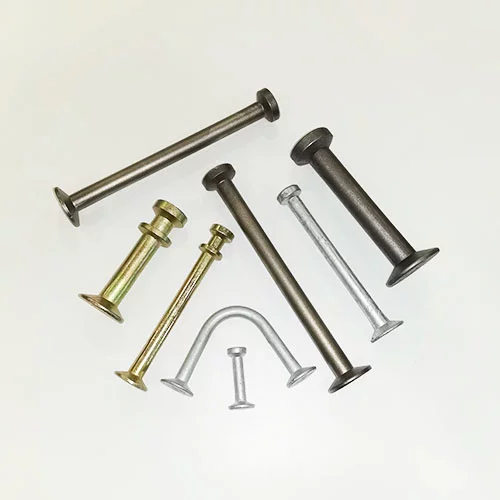
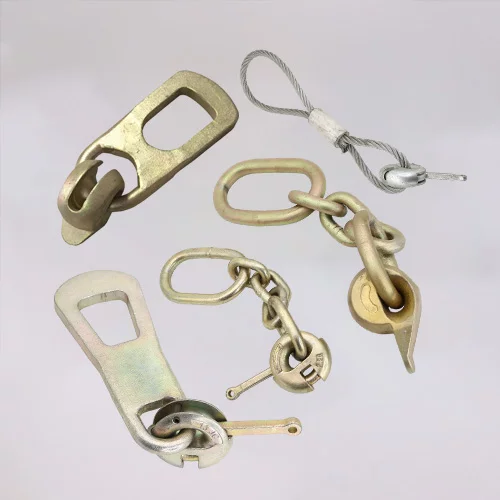
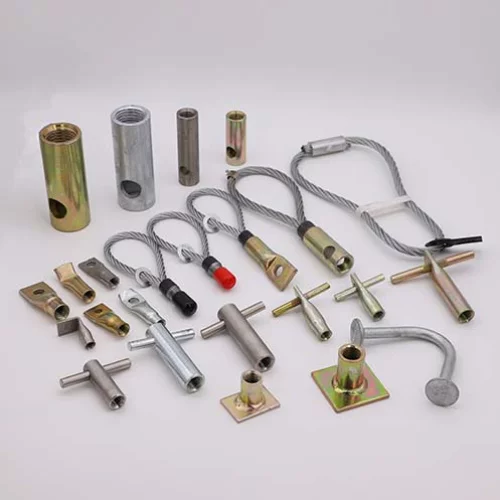
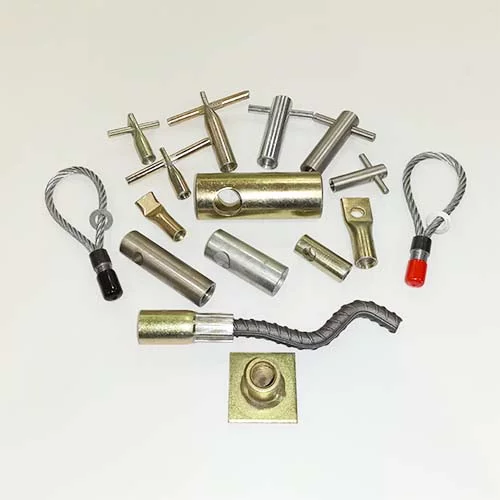
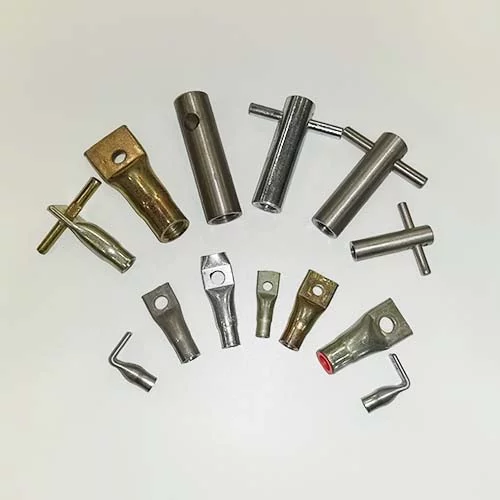
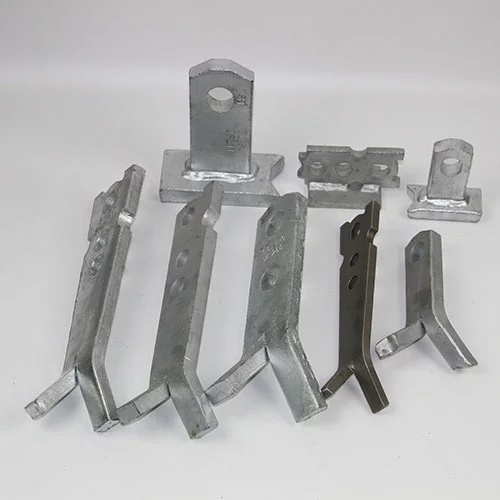
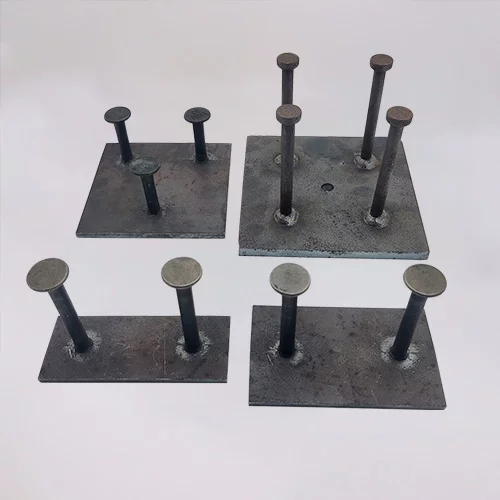
In the precast concrete industry, safety is never optional. Every lifting operation depends on reliable lifting components, and one of the most important among them is the Spread Anchor. Designed to transfer heavy loads from precast concrete elements to lifting equipment, a spread anchor must perform exactly as intended every time it is used.
Even a minor defect can compromise lifting safety, resulting in damaged concrete components, project delays, or serious accidents. That is why thorough quality inspection is essential before any spread anchor leaves the factory.
At HULK Metal, every spread anchor undergoes a comprehensive quality control process, from raw material verification to final packaging inspection. This article explains how spread anchors are inspected before shipment and why these procedures are critical for ensuring lifting safety and product reliability.
Why Quality Inspection Is Important for Spread Anchors
Spread anchors are embedded into precast concrete elements and serve as lifting points during transportation, storage, and installation. During lifting operations, they are subjected to significant loads and dynamic forces.
Because these anchors play a direct role in load-bearing performance, their quality directly affects the safety of workers, equipment, and concrete structures.
A poorly manufactured anchor may fail under load, causing expensive damage and potentially endangering personnel on-site. For this reason, manufacturers must implement strict quality control procedures throughout the entire production process.
At HULK Metal, quality inspection is not limited to the final stage. Instead, inspections are conducted at multiple points during production to ensure every spread anchor meets customer requirements and industry standards.
Raw Material Inspection: Building Quality from the Beginning
Every high-quality spread anchor starts with high-quality steel.
Before production begins, all incoming raw materials are carefully inspected. Material suppliers are selected based on strict qualification standards and are required to provide material certificates for each batch.
The inspection team verifies:
Material grade
Chemical composition
Mechanical properties
Surface condition
Only qualified materials are approved for production.
Traceability is another critical aspect of quality management. Each batch of steel receives a unique identification number, allowing inspectors to trace finished products back to the original raw materials. This traceability system helps ensure accountability and consistency throughout the manufacturing process.
Dimensional Inspection During Production

The load-bearing performance of a spread anchor depends heavily on dimensional accuracy.
Even small dimensional deviations can affect installation compatibility, lifting performance, and safety factors. Therefore, dimensional inspections are performed throughout production.
Key dimensions inspected include:
Overall length
Head diameter
Foot dimensions
Anchor thickness
Spreading geometry
Critical tolerances
To ensure accuracy, inspectors use precision measuring instruments such as digital calipers, micrometers, gauges, and specialized inspection fixtures.
Production samples are measured regularly during manufacturing. This allows quality personnel to identify and correct deviations before they affect larger production batches.
Consistent dimensional control ensures that each spread anchor fits properly within the lifting system and performs according to its designed load capacity.
Visual Inspection of Manufacturing Quality
Visual inspection is one of the most important quality control procedures.
After forging and machining, every spread anchor is visually examined for manufacturing defects that may affect performance or durability.
Inspectors carefully check for:
Surface cracks
Forging laps
Cold shuts
Burrs
Deformation
Surface damage
Incomplete forming
Particular attention is paid to areas that experience high stress during lifting operations.
Although modern manufacturing equipment provides excellent consistency, experienced inspectors remain essential. Their expertise allows them to identify subtle defects that automated equipment may not always detect.
Any anchor showing unacceptable defects is immediately removed from production.
Mechanical Property Testing

Visual appearance alone cannot verify the actual strength of a spread anchor.
To confirm mechanical performance, HULK Metal conducts mechanical property testing on production samples.
These tests evaluate:
Tensile strength
Yield strength
Elongation
Overall structural integrity
Mechanical testing helps verify that the steel material and manufacturing process produce anchors capable of handling the intended lifting loads.
The testing process also confirms that products meet customer specifications and applicable engineering requirements.
All test results are recorded and reviewed as part of the company's quality assurance system.
Load Testing for Safety Verification
Load testing is one of the most critical inspections performed before shipment.
The purpose of load testing is to verify that the spread anchor can safely withstand the forces encountered during actual lifting operations.
During testing, selected samples are subjected to controlled loads using specialized testing equipment.
The testing process may include:
Proof load testing
Static load testing
Ultimate load testing
Destructive testing for validation purposes
Engineers monitor anchor behavior throughout the test to ensure there is no excessive deformation, cracking, or unexpected failure.
These tests provide valuable data regarding product performance and manufacturing consistency.
By regularly conducting load tests, HULK Metal ensures that every production batch maintains the required safety margin.
Surface Treatment Inspection
Many spread anchors receive surface treatments to improve corrosion resistance and product appearance.
Depending on customer requirements, surface finishes may include:
Plain finish
Electro-galvanized coating
Hot-dip galvanizing
Customized protective coatings
After surface treatment, inspectors evaluate:
Coating coverage
Coating thickness
Surface uniformity
Adhesion quality
Visual appearance
A properly applied coating helps protect the anchor against corrosion during storage, transportation, and service.
This additional inspection stage ensures that surface treatments meet customer specifications and industry requirements.
Final Sampling Inspection
Before packaging begins, a final inspection is conducted on the completed production batch.
This inspection combines multiple quality checkpoints, including:
Dimensional verification
Appearance inspection
Product marking verification
Surface finish evaluation
Sampling review
The purpose of final inspection is to confirm that all quality requirements have been met before shipment approval.
Only products that pass this inspection proceed to packaging and delivery.
This final review provides an additional layer of quality assurance and helps prevent non-conforming products from reaching customers.
Packaging and Shipment Inspection
Quality control does not end when production is complete.
Improper packaging can result in damage during transportation, potentially affecting product performance before it reaches the customer.
For this reason, HULK Metal performs packaging inspections before shipment.
Inspectors verify:
Product quantities
Correct labeling
Load capacity markings
Batch identification
Packaging integrity
Depending on customer requirements, spread anchors may be packed in strong cartons, wooden crates, or customized export packaging solutions.
Moisture protection materials and secure packing methods help minimize transportation risks and ensure products arrive in excellent condition.
Quality Documentation for Customer Confidence
Professional quality control should always be supported by proper documentation.
For many projects, customers require evidence that lifting components have been manufactured and tested according to specified requirements.
HULK Metal can provide:
Material certificates
Inspection reports
Load testing reports
Dimensional inspection records
Packing documentation
These documents help customers simplify incoming inspections and provide confidence in product quality and traceability.
For engineering projects, complete documentation is often just as important as the product itself.
Why Choose HULK Metal for Spread Anchors?
At HULK Metal, quality is integrated into every stage of production.
From raw material verification and dimensional inspections to load testing and final packaging checks, every spread anchor is carefully evaluated before shipment.
Our advantages include:
Strict quality management procedures
Advanced manufacturing equipment
Experienced quality inspection teams
Comprehensive testing capabilities
Full product traceability
Reliable global delivery services
These capabilities allow us to supply spread anchors that meet demanding requirements in precast concrete projects worldwide.
Spread anchors play a vital role in precast concrete lifting operations, making product quality a critical factor in jobsite safety and performance.
Through comprehensive inspections that include raw material verification, dimensional control, visual examination, mechanical testing, load testing, surface treatment inspection, and final shipment checks, manufacturers can ensure reliable lifting performance.
At HULK Metal, every spread anchor undergoes rigorous quality control before leaving the factory. This commitment to quality helps customers reduce risks, improve project efficiency, and achieve safer lifting operations with confidence.
Article Navigation
PRECAST CONCRETE ACCESSORIES
OTHER RELATED ARTICLE
- 1.How Efficient Precast Accessories Improve Construction Productivity?
- 2.How to Choose High-Quality Shuttering Magnetic Products and Suppliers Guide
- 3.Applications and advantages of swivel hoist rings: HULK Metal provides you with safer and more flexible lifting solutions
- 4.Lifting Clutch VS Lifting Ring Clutch:Definition, Working Principle, Application Scenarios, and Selection Guide
- 5.An In-Depth Guide to Erection Anchors, Single-Hole Spread Anchors and Two-Hole Spread Anchors
Other Precast Concrete Accessories You Might Want to Know
You can click to learn more about HULK Metal precast concrete accessories such as lifting anchors, precast sockets, spread anchors, shuttering magnets, cast-in channels, wire loop boxes, and other precast concrete accessories you might want to know.