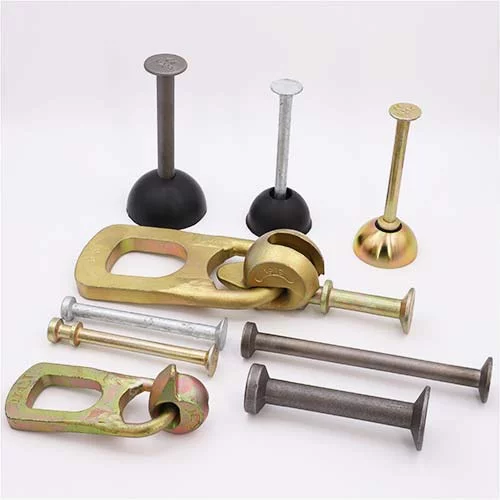
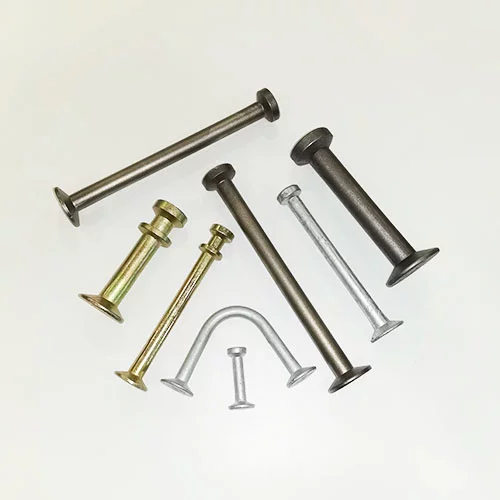
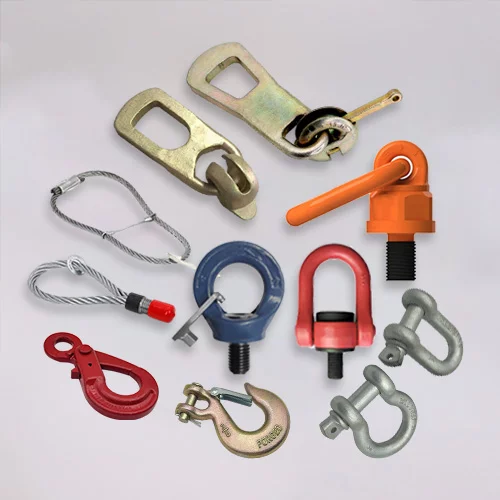
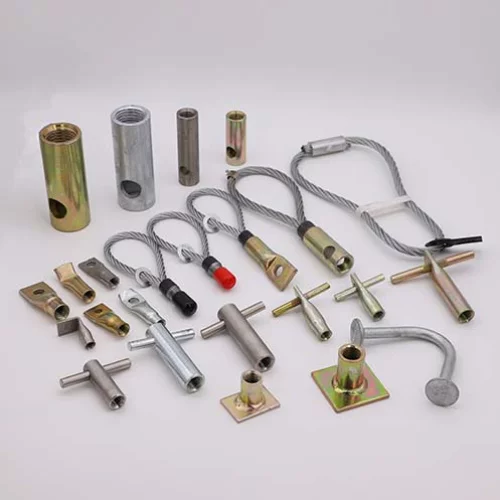
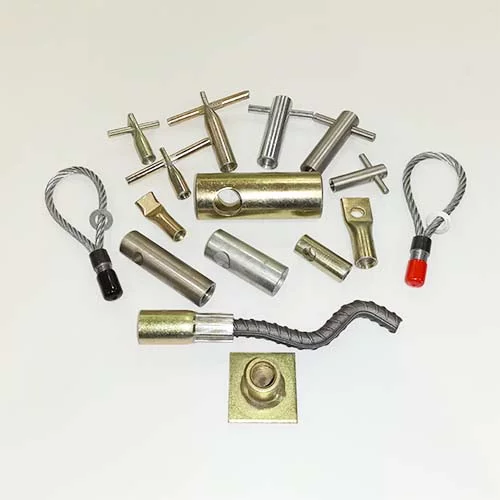
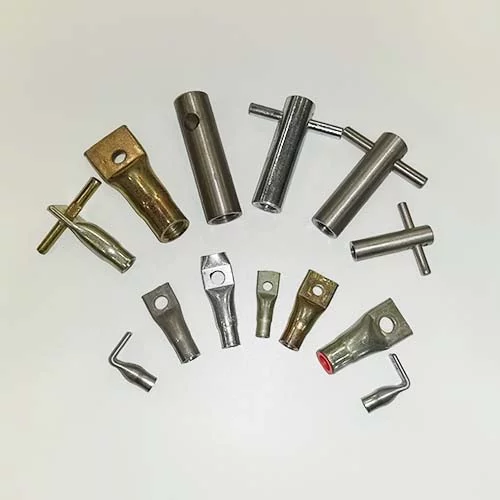
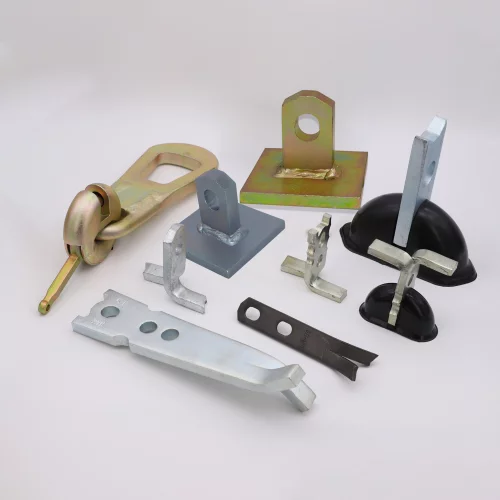
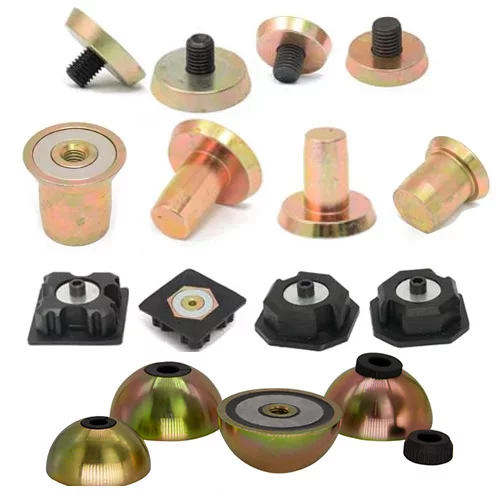
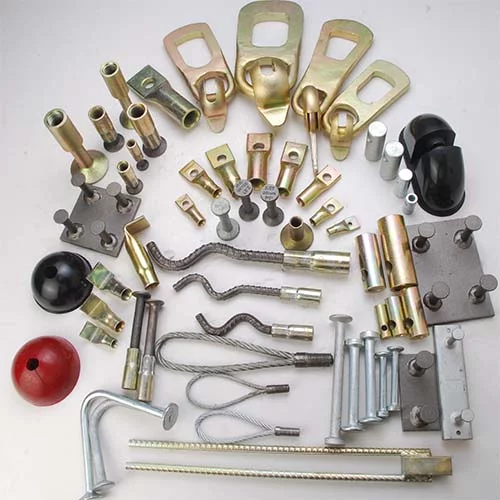
CE Certified Lifting Sockets for Precast Applications

In the precast concrete industry, lifting systems are critical structural components that directly affect site safety, project efficiency, and regulatory compliance. Among these systems, lifting sockets serve as threaded load-bearing inserts embedded into concrete elements to facilitate safe hoisting and transportation. When projects are executed within the European market—or exported to it—CE certification becomes a mandatory requirement rather than an optional quality mark.
CE certified lifting sockets are not simply products with a logo stamped on them. They represent documented compliance with European regulations, verified production control systems, and validated mechanical performance. This article explores the technical and regulatory framework behind CE certified lifting sockets and explains how compliance ensures safety and reliability in precast applications.
Introduction to CE Certification in Precast Lifting Systems
The CE marking signifies that a product conforms to applicable European legislation. In the context of lifting sockets used in precast concrete elements, CE certification demonstrates compliance with essential health, safety, and performance requirements.
For contractors and precast manufacturers operating within the European Economic Area (EEA), the use of CE marked components offers several advantages:
Legal acceptance across EU member states
Reduced project approval delays
Standardized safety assurance
Clear traceability and documentation
More importantly, CE certification ensures that lifting sockets meet defined performance criteria under load conditions typical in precast construction. Since these components temporarily bear the entire weight of concrete panels, beams, or structural elements during lifting, their reliability is non-negotiable.
Applicable European Standards and Compliance Requirements
CE certification for lifting sockets is supported by harmonized European standards and regulatory frameworks governing construction products.
Relevant EN Standards
Depending on product classification and application, lifting sockets must comply with relevant European Norm (EN) standards covering:
Mechanical performance requirements
Safety factor definitions
Material characteristics
Testing procedures
Marking and documentation
These standards define minimum tensile strength, proof load requirements, dimensional tolerances, and testing methods.
Safety Factors and Load Classifications
European regulations require clearly defined Working Load Limits (WLL). Each lifting socket must be rated according to its load class, and a defined safety factor must be maintained between the WLL and ultimate failure load.
For example:
If a socket is rated for 5 tons WLL, it must withstand a significantly higher test load during verification.
Proof load testing typically exceeds the WLL to ensure no permanent deformation occurs.
These safety margins protect against unexpected dynamic forces during lifting operations.
Documentation and Declaration of Performance
CE compliance requires manufacturers to prepare technical documentation, including:
Material certificates
Mechanical test reports
Dimensional inspection records
Factory Production Control (FPC) documentation
Declaration of Performance (DoP)
Without complete documentation, CE marking is not valid.
Material and Manufacturing Compliance
Compliance begins at the material selection stage and continues throughout production.
Approved Steel Grades
CE certified lifting sockets must be manufactured from steel grades that meet specified mechanical properties, including:
Adequate tensile strength
Controlled yield strength
Good ductility
Low impurity levels
Chemical composition is verified against mill test certificates and, where necessary, confirmed through spectrometric analysis.
Traceability of raw materials is critical. Each steel batch must be linked to a heat number, allowing complete tracking from raw material to finished product.
Controlled Manufacturing Processes
Manufacturing methods may include forging or precision machining. Regardless of the process, strict controls are required:
Monitoring of forging temperatures and deformation ratios
Verification of machining tolerances
Thread profile accuracy checks
Calibration of equipment
Thread engagement is particularly important for lifting sockets. Inaccurate threads can reduce effective load-bearing capacity or cause premature failure.
Mechanical Testing and Performance Validation
Mechanical validation is central to CE compliance. Lifting sockets must undergo rigorous testing to confirm performance.
Proof Load Testing
Proof load testing verifies that the socket can sustain a specified load without permanent deformation. The procedure generally involves:
1. Securing the lifting socket in a calibrated test fixture.
2. Applying a load exceeding the WLL.
3. Maintaining the load for a defined period.
4. Inspecting for cracks, distortion, or thread damage.
The component must return to its original dimensions after load removal.
Ultimate Load Testing
Ultimate tensile testing determines the maximum load the socket can withstand before failure. This destructive test confirms that the safety factor required by European standards is achieved.
Failure mode analysis is also important. A ductile failure (gradual deformation) is preferable to brittle fracture, as it provides warning before collapse.
Non-Destructive Testing (NDT)
To detect hidden defects, manufacturers may apply:
Magnetic particle inspection (MPI)
Ultrasonic testing (UT)
Visual inspection under magnification
These tests identify cracks, inclusions, or discontinuities that could compromise structural integrity.
All mechanical test results must be recorded and retained as part of the technical file.
Surface Protection and Durability Standards
Precast elements are often stored outdoors and exposed to moisture. Corrosion protection is therefore a critical compliance factor.
Galvanization and Coating Requirements
CE certified lifting sockets frequently undergo surface treatments such as:
Hot-dip galvanizing
Electro-galvanizing
Zinc plating
Each treatment must meet specified coating thickness requirements, often measured in microns.
Coating Inspection Procedures
Compliance verification includes:
Thickness measurement using magnetic gauges
Adhesion testing
Visual inspection for incomplete coverage
Inadequate coating can lead to corrosion, reducing cross-sectional area and load capacity over time.
Durability performance contributes directly to long-term safety compliance.
Marking, Documentation, and Traceability
Marking and traceability ensure that every CE certified lifting socket can be identified and verified.
CE Marking Requirements
Each product or packaging must clearly display:
CE marking symbol
Manufacturer identification
Working Load Limit (WLL)
Thread specification
Batch or serial number
Markings must be legible and permanent.
Technical File and Declaration of Conformity
Manufacturers must maintain a technical file that includes:
Design calculations
Risk assessments
Test reports
Production control procedures
The Declaration of Performance confirms that the product meets essential requirements and can be legally placed on the European market.
Proper documentation protects both the manufacturer and the contractor.
Application in Precast Concrete Projects
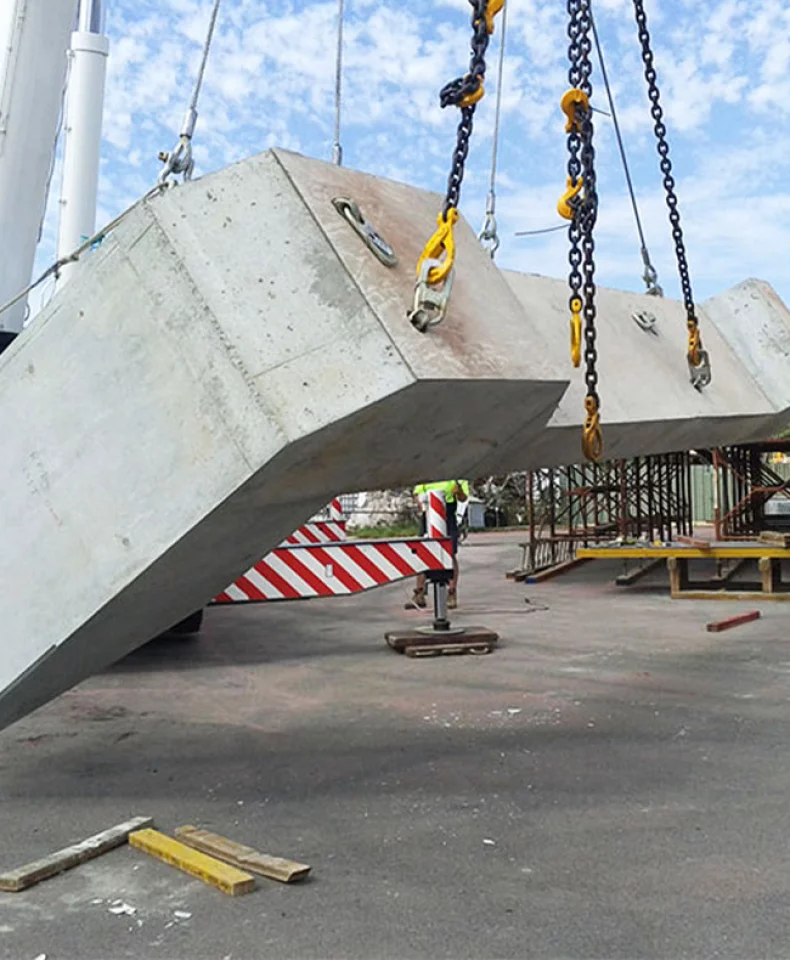
CE certified lifting sockets are specifically designed for integration into precast elements such as:
Wall panels
Beams
Columns
Slabs
Integration with Lifting Systems
To maintain compliance:
Lifting clutches must match the thread size and load rating.
Load direction must align with design assumptions.
Installation depth must meet engineering specifications.
Improper matching can invalidate compliance and compromise safety.
On-Site Safety Practices
Compliance extends beyond manufacturing. On-site procedures should include:
Visual inspection before each lift
Verification of correct torque and engagement
Monitoring for damage during handling
Regular inspection ensures that the lifting socket remains within safe operating conditions throughout the lifting cycle.
CE certified lifting sockets represent more than regulatory compliance—they reflect a structured commitment to safety, quality control, and documented performance. From material selection and controlled manufacturing to mechanical validation and corrosion protection, every stage contributes to compliance.
For precast concrete manufacturers and contractors operating in the European market, using CE certified lifting sockets ensures:
Legal conformity
Enhanced site safety
Reduced liability risk
Greater confidence during inspection and audit processes
By choosing lifting sockets that meet European standards and are supported by complete documentation and traceability systems, construction professionals can safeguard both their projects and their reputation.
In modern precast construction, compliance is not merely a requirement—it is a foundation for operational excellence and long-term structural reliability.
Article Navigation
PRECAST CONCRETE ACCESSORIES
OTHER RELATED ARTICLE
- 1.Why should every manufacturer conduct tensile testing?
- 2.Application of Lifting Socket in Precast Concrete
- 3.Applications and advantages of swivel hoist rings: HULK Metal provides you with safer and more flexible lifting solutions
- 4.Lifting Clutch VS Lifting Ring Clutch:Definition, Working Principle, Application Scenarios, and Selection Guide
Other Precast Concrete Accessories You Might Want to Know
You can click to learn more about HULK Metal precast concrete accessories such as lifting anchors, precast sockets, spread anchors, shuttering magnets, cast-in channels, wire loop boxes, and other precast concrete accessories you might want to know.