

How to Improve Safety in Precast Concrete Lifting?

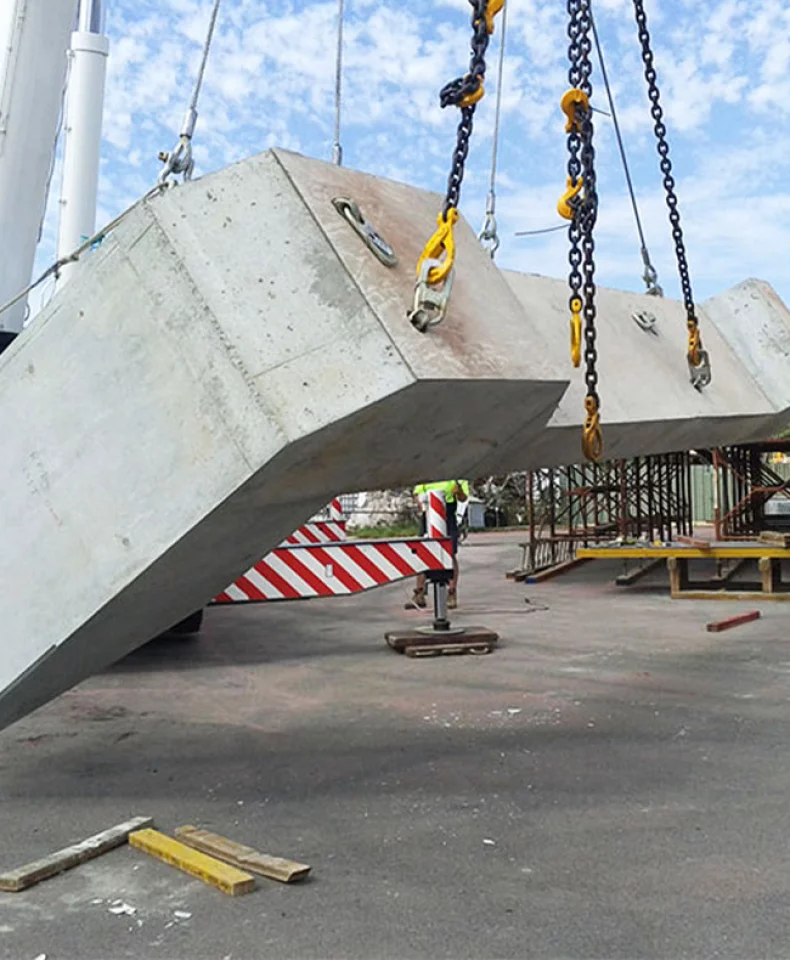
Precast concrete has become an essential part of modern construction. From wall panels and beams to columns and stair units, precast components help speed up project schedules, improve quality consistency, and reduce on-site labor requirements. However, handling and lifting heavy concrete elements also introduces significant safety challenges.
Every year, construction projects experience accidents related to improper lifting practices, overloaded equipment, or incorrectly installed lifting components. These incidents can result in costly delays, damaged products, and serious injuries. Fortunately, many of these risks can be prevented through proper planning, high-quality lifting systems, and reliable connection solutions.
In this article, we will explore practical ways to improve safety in precast concrete lifting and examine how systems such as the Pin Anchor Lifting System, Flat Lifting System, Threaded Socket Lifting System, and Inserts and Connections contribute to safer lifting operations.
Why Safety Matters in Precast Concrete Lifting
Precast concrete elements often weigh several tons and must be lifted multiple times before reaching their final position. During manufacturing, transportation, storage, and installation, each lifting operation creates potential risks.
Common lifting hazards include:
Lifting anchor failure
Incorrect load distribution
Improper lifting angles
Equipment overload
Poor installation practices
Inadequate inspection procedures
Even a minor mistake can lead to significant consequences. Therefore, improving lifting safety is not only about meeting industry standards but also about protecting workers, equipment, and project schedules.
Understanding the Key Factors That Affect Lifting Safety
Before selecting a lifting system, it is important to understand the factors that influence lifting performance.
Load Capacity
Every lifting component has a specified working load limit. Exceeding this limit can cause anchor deformation or failure. Engineers must accurately calculate the weight of the precast element and consider additional forces generated during lifting and transportation.
Concrete Strength
Lifting anchors rely on the surrounding concrete to transfer loads safely. If lifting occurs before the concrete reaches the required strength, cracking or anchor pull-out may occur.
Lifting Angle
The angle between lifting chains and the concrete element significantly affects load distribution. Smaller lifting angles can increase forces on the anchors and reduce overall safety.
Environmental Conditions
Weather, wind, transportation vibrations, and jobsite conditions can all affect lifting operations. Proper planning should account for these variables to minimize risk.
Choosing the Right Lifting System
Selecting the appropriate lifting system is one of the most effective ways to improve safety.
Different lifting systems are designed for different applications, load capacities, and installation requirements.
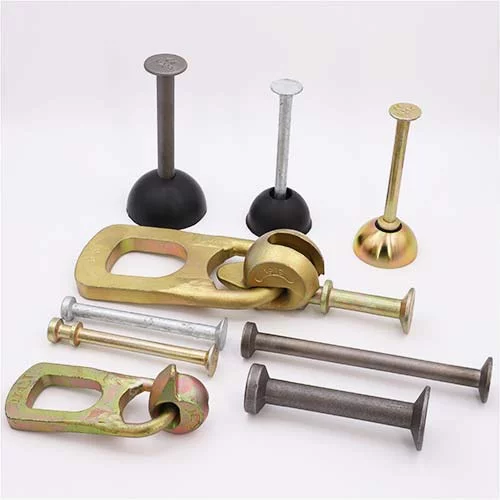
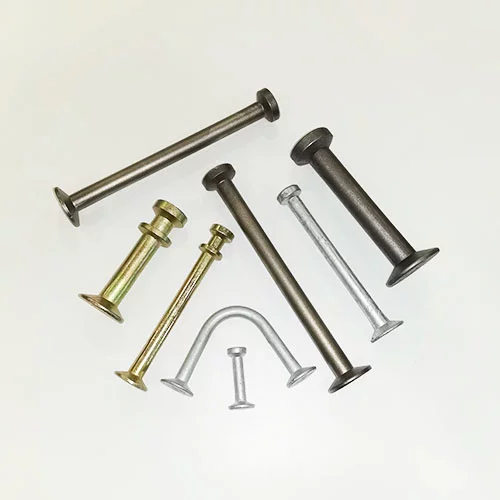
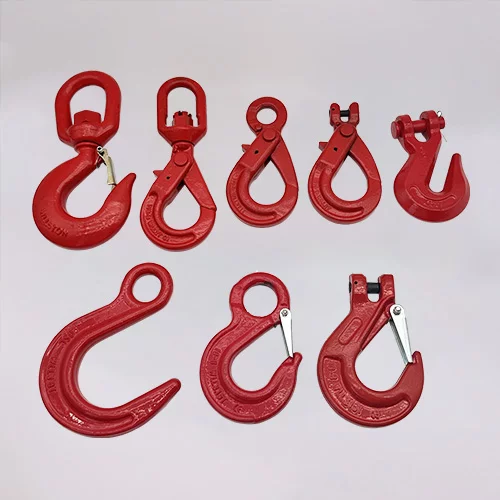
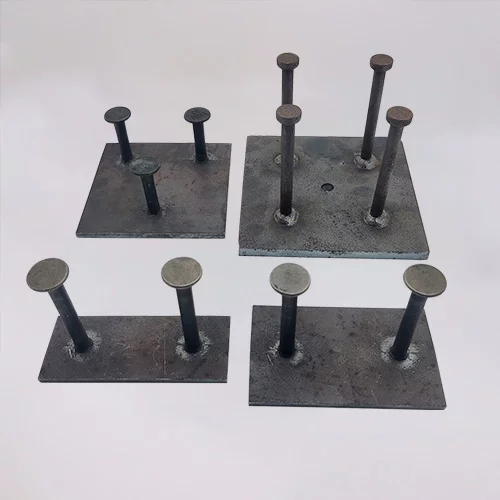
Pin Anchor Lifting System
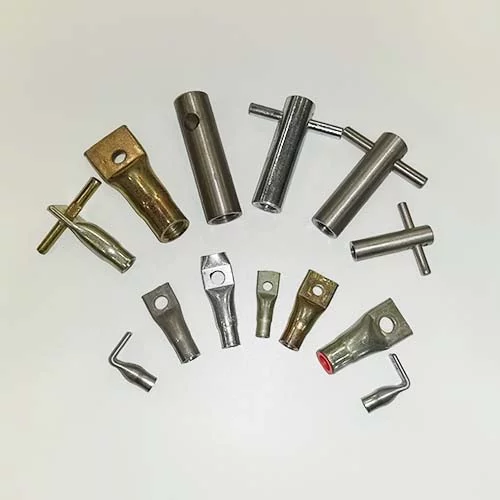
The Pin Anchor Lifting System is one of the most widely used solutions in the precast concrete industry.
This system typically consists of a pin anchor embedded in the concrete and a compatible lifting clutch used during handling.
Key Advantages
High load-bearing capacity
Reliable load transfer
Quick and secure engagement
Suitable for a wide range of precast elements
Proven performance in demanding applications
Pin anchors are commonly used for wall panels, beams, slabs, and other heavy concrete components. When installed correctly, they provide excellent resistance to lifting forces and help ensure safe handling throughout the project lifecycle.
For projects requiring frequent lifting operations, the Pin Anchor Lifting System offers a dependable and efficient solution.
Flat Lifting System
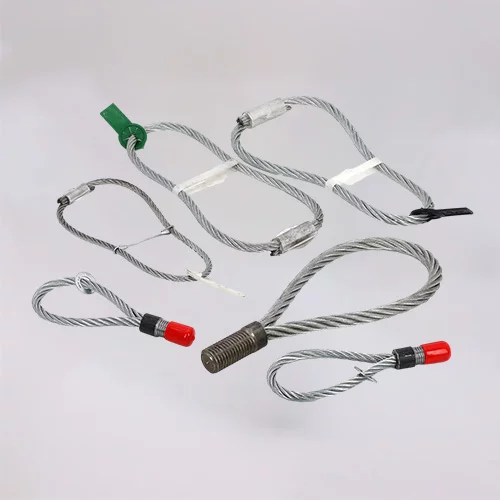
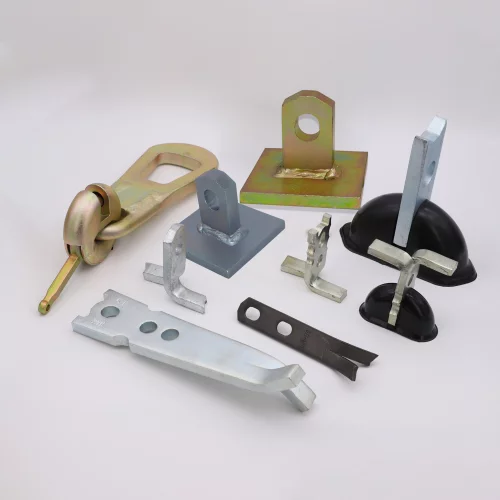
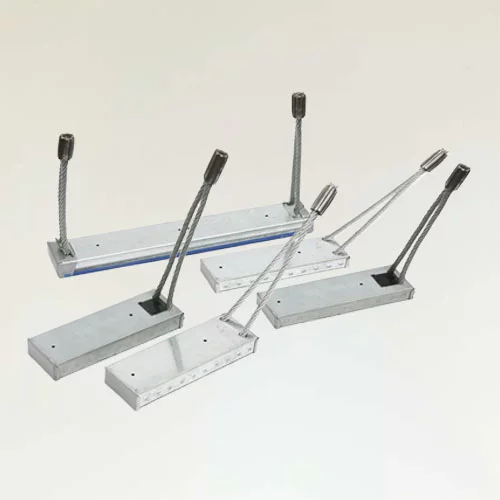
The Flat Lifting System is designed specifically for thin precast concrete elements where installation space is limited.
Unlike conventional lifting anchors, flat anchors have a low-profile design that allows them to be embedded within thinner sections without compromising structural integrity.
Safety Benefits
Ideal for thin wall panels
Reduced risk of concrete breakout
Optimized load distribution
Easy installation and handling
Improved lifting stability
Flat lifting anchors are particularly useful in architectural panels and façade elements where maintaining concrete thickness is critical.
By selecting a lifting system that matches the design requirements of the concrete component, contractors can significantly reduce lifting-related risks.
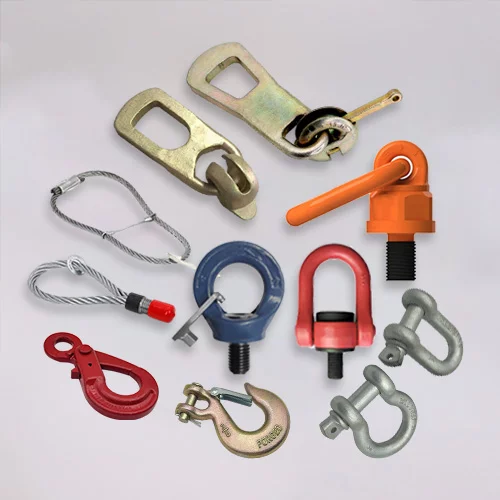
Threaded Socket Lifting System
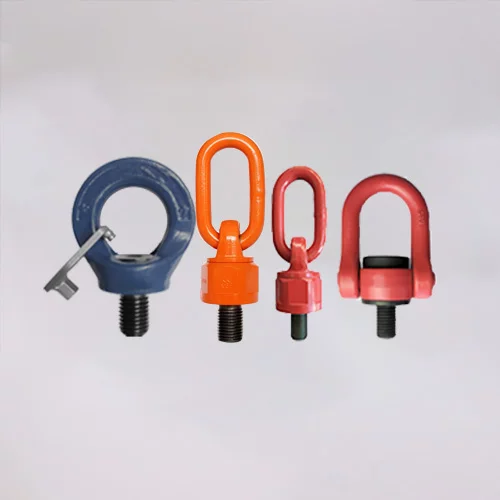
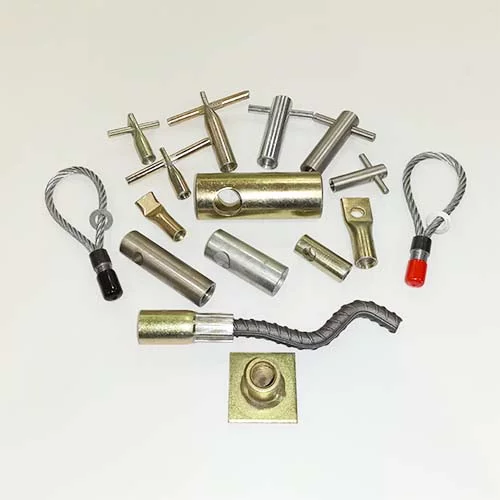
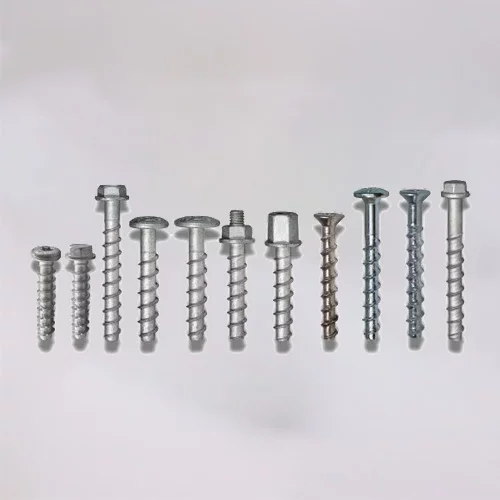
The Threaded Socket Lifting System uses cast-in threaded sockets combined with lifting loops, eye bolts, or lifting devices.
This system offers flexibility and is often used for lifting, fixing, and temporary handling applications.
Advantages for Safe Lifting
Simple installation process
Secure threaded connection
Versatile lifting options
Suitable for transportation and installation
Easy inspection before use
One of the primary safety advantages of threaded socket systems is the visible threaded connection, which allows operators to verify proper engagement before lifting.
When properly designed and installed, threaded socket systems provide reliable performance for a wide variety of precast concrete applications.
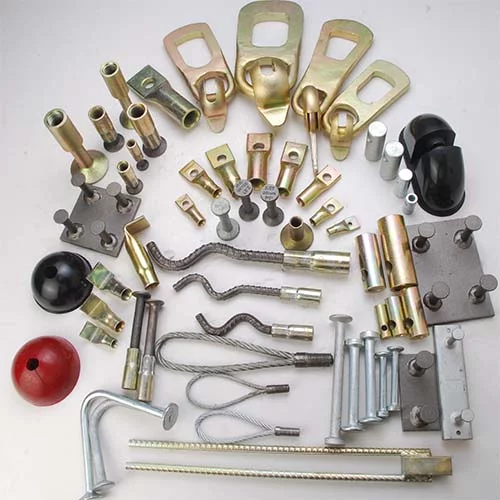
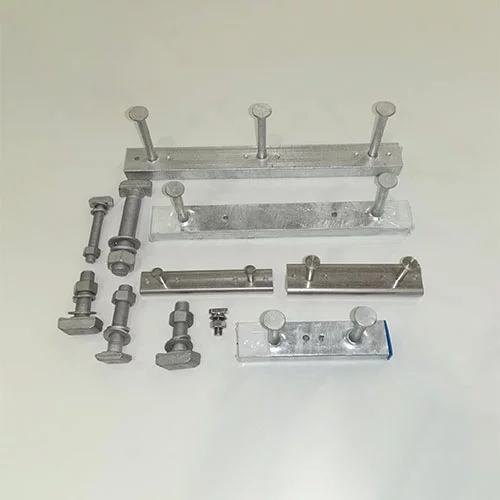
Inserts and Connections
The Role of Inserts and Connections in Precast Concrete Lifting Safety
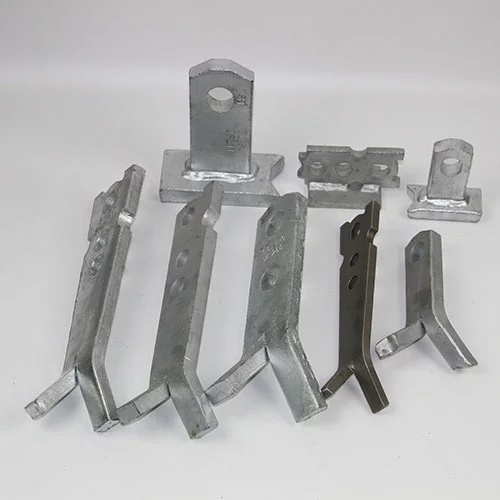
While lifting anchors are responsible for handling heavy loads, inserts and connections play a crucial role in ensuring the stability and reliability of precast concrete elements throughout transportation and installation.
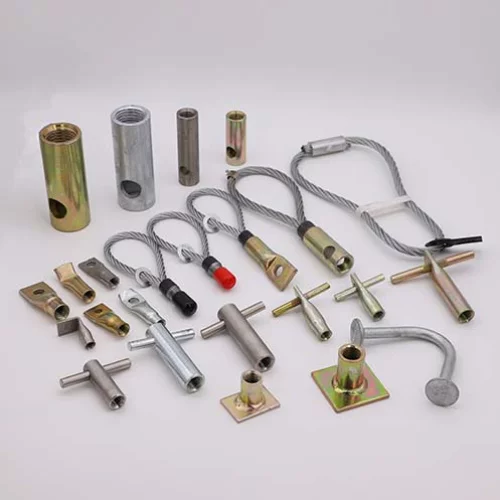
Precast concrete inserts and connections are components embedded into concrete before casting. Once the concrete has cured, they become a permanent part of the element, providing secure points for lifting, fixing, bracing, and structural connections.
By integrating these components during production, precast manufacturers can minimize on-site drilling and welding, improve installation accuracy, and reduce potential safety risks caused by improper modifications in the field.
Common Applications of Inserts and Connections
Precast Wall Panel Connections
Inserts are widely used to connect wall panels to foundations, structural frames, and adjacent concrete elements. Properly designed connection systems help maintain panel alignment during installation and provide long-term structural stability.
Steel-to-Concrete Connections
Many construction projects require steel components to be attached to precast concrete walls, beams, or slabs. Embedded plates, threaded inserts, and ferrule systems create reliable fixing points that ensure safe load transfer between steel and concrete structures.
Equipment and Bracket Installation
Threaded inserts are often used to install support brackets, mechanical equipment, handrails, and other building components. These embedded fixing points allow fast and accurate installation while reducing additional site work and the risk of damaging the concrete.
Best Practices for Safe Precast Concrete Lifting
Even the best lifting systems require proper procedures to achieve maximum safety.
Conduct Thorough Lift Planning
Every lifting operation should begin with a detailed lifting plan.
The plan should identify:
Component weight
Center of gravity
Anchor locations
Lifting equipment requirements
Site conditions
Proper planning reduces uncertainty and helps prevent costly mistakes.
Inspect Lifting Components Regularly
All lifting anchors, clutches, chains, and accessories should be inspected before use.
Check for:
Wear and deformation
Corrosion
Cracks
Thread damage
Improper modifications
Damaged components should be removed from service immediately.
Ensure Proper Installation
Incorrect anchor placement is one of the most common causes of lifting failures.
Installation should follow engineering drawings and manufacturer recommendations to ensure safe load transfer.
Train Personnel
Workers involved in lifting operations should receive regular training on:
Safe lifting procedures
Equipment inspection
Load calculations
Emergency response measures
Well-trained personnel are essential for maintaining a safe work environment.
Follow Industry Standards
Compliance with applicable standards and regulations helps ensure consistent safety performance.
Using certified lifting systems from reputable manufacturers further reduces project risks.
Why Quality Lifting Components Make a Difference
Safety starts with product quality.
Inferior lifting anchors, inserts, or connection components may contain material defects, dimensional inaccuracies, or inconsistent manufacturing quality. These issues can compromise lifting performance and increase the likelihood of accidents.
High-quality lifting components offer:
Reliable mechanical properties
Consistent load capacity
Improved durability
Better corrosion resistance
Greater long-term safety
Manufacturers should implement strict quality control procedures, including material inspection, dimensional verification, load testing, and final product inspections.
Why Choose HULK Metal?
At HULK Metal, we understand the importance of safety in precast concrete lifting.
We provide a complete range of lifting and connection solutions, including:
Pin Anchor Lifting Systems
Flat Lifting Systems
Threaded Socket Lifting Systems
Inserts and Connection Systems
Our experienced team supports customers throughout the entire process, from product selection and engineering consultation to manufacturing, quality inspection, packaging, and delivery.
With strict quality control procedures and comprehensive OEM manufacturing capabilities, we help customers obtain reliable lifting solutions that meet the requirements of modern construction projects.
Improving safety in precast concrete lifting requires a combination of proper planning, skilled personnel, high-quality lifting components, and reliable connection systems.
Selecting the right solution—whether a Pin Anchor Lifting System, Flat Lifting System, Threaded Socket Lifting System, or suitable Inserts and Connections—can significantly reduce lifting risks while improving operational efficiency.
As precast construction continues to grow worldwide, investing in proven lifting technologies and trusted manufacturing partners remains one of the most effective ways to ensure safer, more successful projects.
Article Navigation
PRECAST CONCRETE ACCESSORIES
OTHER RELATED ARTICLE
- 1.How Efficient Precast Accessories Improve Construction Productivity?
- 2.How to Choose High-Quality Shuttering Magnetic Products and Suppliers Guide
- 3.Applications and advantages of swivel hoist rings: HULK Metal provides you with safer and more flexible lifting solutions
- 4.Lifting Clutch VS Lifting Ring Clutch:Definition, Working Principle, Application Scenarios, and Selection Guide
- 5.An In-Depth Guide to Erection Anchors, Single-Hole Spread Anchors and Two-Hole Spread Anchors
Other Precast Concrete Accessories You Might Want to Know
You can click to learn more about HULK Metal precast concrete accessories such as lifting anchors, precast sockets, spread anchors, shuttering magnets, cast-in channels, wire loop boxes, and other precast concrete accessories you might want to know.